Viral Nick Shirley video sparks sweeping Minnesota daycare fraud claims; Gov. Tim Walz pushes back as investigators probe social programs
Independent journalist Nick Shirley’s viral December 26, 2025, video alleges more than $110 million in potential fraud in Minnesota childcare and health programs, showing seemingly inactive licensed sites and prompting state and federal inquiries and political fallout.
- Shirley’s reporting documents visits to licensed sites that often appeared empty, raising questions about program payments and oversight.
- Alleged losses in childcare and related programs are estimated by Shirley at more than $110 million, though larger online figures remain unverified.
- State response: Governor Tim Walz’s office says reforms and audits are underway and pledged further review and prosecutions where warranted.
- Community impact: Reporting has heightened tensions in immigrant communities and underscored the need for careful, language-accessible oversight.
Investigation overview
Independent journalist Nick Shirley released a 42- to 45-minute video on December 26, 2025, alleging widespread problems in state-funded childcare and healthcare programs. The video — Nick Shirley’s viral video — shows visits to multiple licensed sites that Shirley says were inactive despite receiving public funds.
What Shirley’s reporting shows
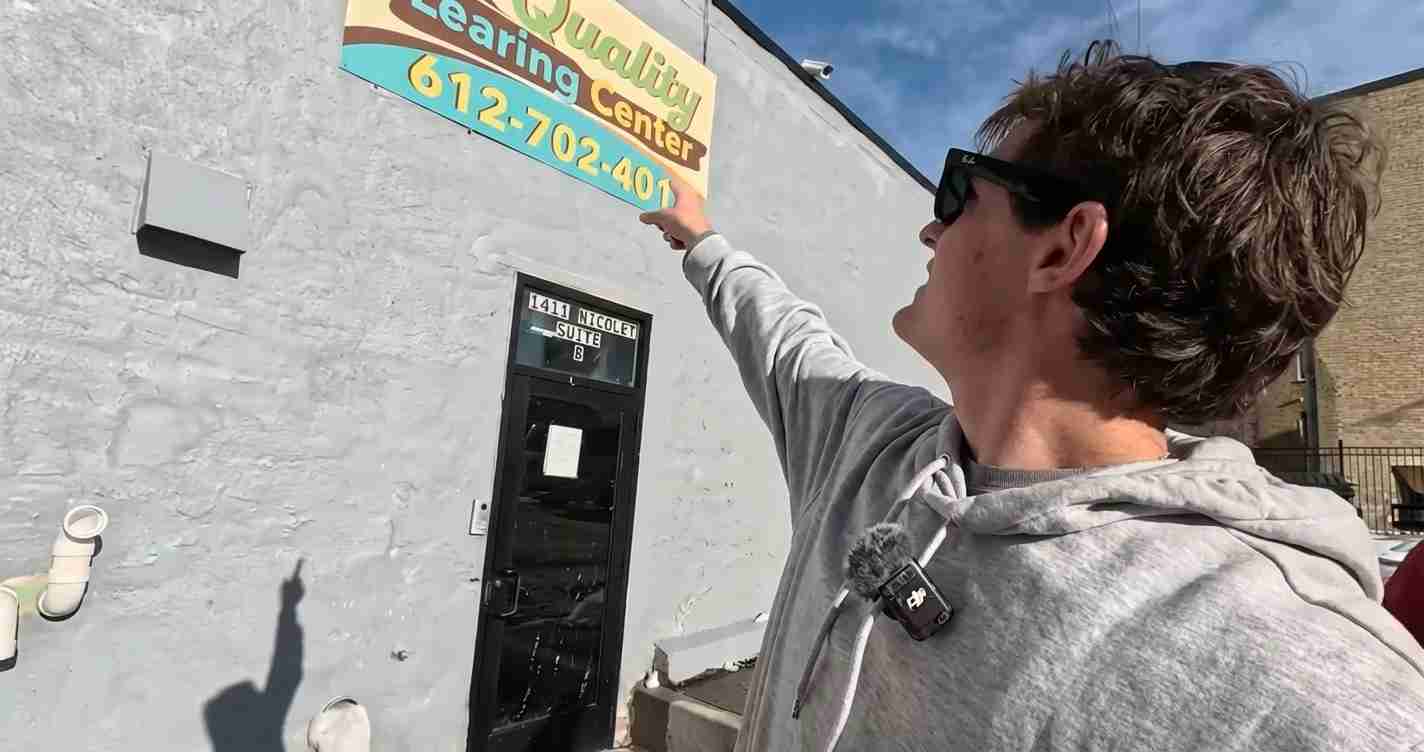
Shirley’s team visited addresses tied to state-funded programs and recorded rooms and offices that often appeared unused during weekdays. In Minneapolis, the Quality Learning Center — licensed for 99 children and tied in reporting to roughly $4 million in payments — was filmed appearing vacant; Shirley highlights this example in his video (Quality Learning Center).
The footage also captures interactions that reflect community sensitivities: a woman who mistook investigators for immigration agents, and an instance where local police escorted Shirley from a site. Shirley warned other reporters that similar coverage could be framed as discriminatory, noting involvement of Somali-American organizations and informal networks (Shirley’s additional reporting).
Allegations and the numbers being discussed
Shirley’s video raises questions about more than $110 million in potential fraud related to childcare and social programs. Some social media posts and comments have floated much larger totals — including unverified assertions about billions lost since 2018 — but those larger figures are not corroborated in public federal records or mainstream reporting reviewed in late December 2025 (Shirley’s viral video; additional reporting).
Publicly available sources do indicate federal officials have expressed concern about fraud in some social programs, but precise totals such as “$9 billion stolen” have not been independently confirmed in the sources cited.
State response and Walz’s defense
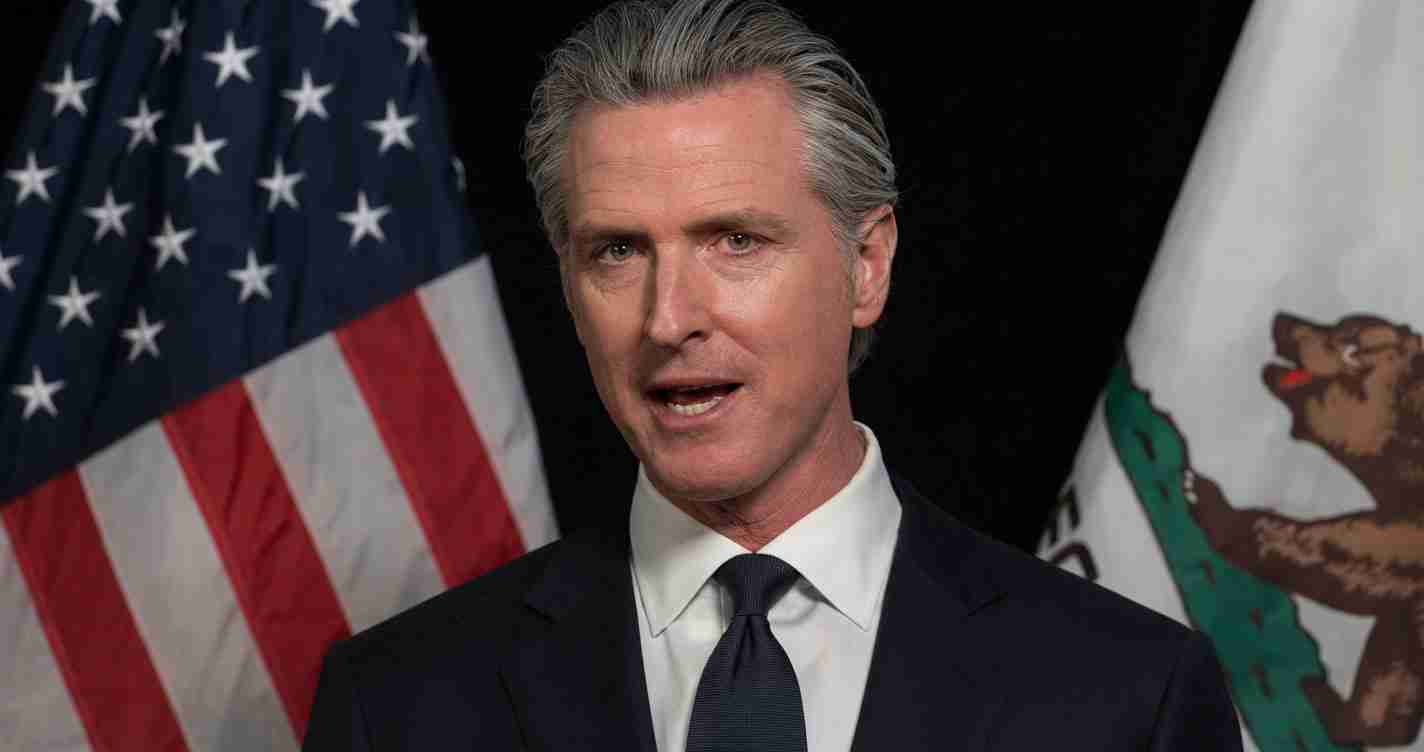
Governor Tim Walz’s office has publicly pushed back on claims that the state ignored obvious fraud. The governor’s team pointed to steps taken in recent years — hiring an outside firm to audit high-risk programs, creating a statewide program integrity director role, shutting down problematic programs like Housing Stabilization Services, and supporting criminal prosecutions where warranted — and pledged continued investigation and accountability (Fox News coverage of Walz response).
“Rooting out fraud is an ongoing process,” the governor’s office emphasized, noting program complexity and the need for audits and legal processes before drawing final conclusions.
Federal and law-enforcement signals
Federal investigators and local law enforcement are reported to be aware of tips and past probes related to Minnesota social programs. Media coverage indicates officials have described some cases as “the tip of the iceberg,” but comprehensive totals and final determinations await the results of audits and criminal investigations (Shirley’s video).
National political reaction
The video rapidly drew national attention. Conservative commentators and some federal lawmakers called for expanded probes; others urged caution and emphasized that allegations must be verified before making broad claims or stigmatizing communities (additional Shirley reporting).
Reporting challenges and community concerns
Coverage has highlighted tensions around oversight of immigrant-run organizations. Somali-American groups and residents stress the importance of accountability but warn against broad-brush accusations that could stigmatize communities. Interactions captured in Shirley’s footage — including fear, confusion, and confrontations — show the need for sensitive, language-accessible reporting and official reviews.
Quality of evidence and next steps
The video documents visual indicators — empty classrooms, unused offices, and record inconsistencies — that raise legitimate questions. However, empty rooms alone do not prove fraud. Licensing records, payment ledgers, audits, and criminal probes will be necessary to determine whether funds were misused or properly accounted for under program rules. State and federal authorities have said they will review findings, and journalists and watchdogs will press for audit results and legal conclusions (Fox News).
Implications for San Luis Obispo, California
Economic impact: Although Minnesota events do not directly alter San Luis Obispo budgets, the controversy underscores vulnerabilities in state and federal funding streams for childcare and social services. Local officials should review oversight practices for county-run childcare programs, Medi-Cal billing, and housing assistance to protect public resources.
Political consequences: The story could influence campaign messaging in California, with voters pressing for transparent reporting on public funds. County supervisors and school board members may face increased scrutiny regarding oversight of contractors, daycares receiving public dollars, and nonprofit partners.
Social effects: San Luis Obispo’s diverse immigrant communities could be affected by stigmatizing narratives. Local leaders and journalists should balance fraud vigilance with careful public messaging and multilingual outreach to avoid inflaming tensions.
Cultural relevance: Community-based organizations often deliver essential services to immigrant residents. Funders and officials should ensure strong financial controls and offer compliance training while recognizing cultural roles these groups play.
Practical applications for residents:
- Parents and program users: Request clear public records on licensed capacity, attendance reporting, and funding for local childcare programs that receive public dollars.
- Nonprofit partners: Review internal controls, billing practices, and documentation; consider independent audits for programs handling significant public funds.
- Local officials: Adopt routine spot checks, public dashboards for spending, and language-accessible outreach so providers and families understand program rules.
Ongoing developments
This remains an active story. State and federal investigators, auditors, and prosecutors may release findings that confirm or refine the allegations. Journalists and watchdogs in Minnesota and beyond will monitor audit results and criminal probes. For communities like San Luis Obispo, the episode is a reminder to strengthen oversight where public funds are at stake and to pursue reforms that protect taxpayers and vulnerable program users.
Sources and reporting links
- Nick Shirley’s video (YouTube)
- Additional Shirley reporting (YouTube)
- Fox News coverage of Walz response and fallout
- KOMO/Komonews reporting on criticism and accountability calls
Reporting by Times Media Service; sources cited above.