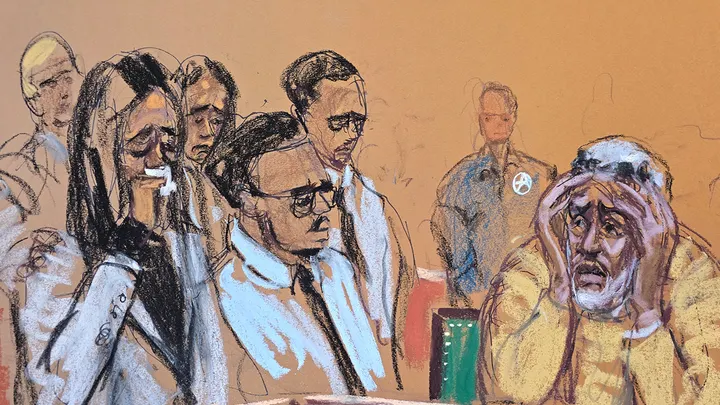
Sean “Diddy” Combs sentenced to 50 months in prison for prostitution-related offenses
Sean “Diddy” Combs, the iconic hip-hop mogul, has been sentenced to 50 months in federal prison for two felony prostitution-related convictions; he faces five years of supervised release and a $500,000 fine after a high-profile trial.
Key takeaways
- Sentence: 50 months in federal prison with credit for roughly 12 months served pretrial; followed by five years of supervised release and a $500,000 fine.
- Conviction scope: Guilty on two felony prostitution-related counts; acquitted of sex trafficking and racketeering.
- Split verdict impact: Acquittals on the most serious counts removed the possibility of a far longer or life sentence.
- Sources: Coverage and court records reported live and in follow-up by ABC News, ABC11 and 6abc.
Key information
Defendant: Sean “Diddy” Combs, 55.
Sentence: 50 months in federal prison (credit given for roughly 12 months already served). Source: ABC News
Fine: $500,000. Source: ABC News
Convictions: Guilty on two felony prostitution-related offenses; acquitted of sex trafficking and racketeering. Source: ABC11
Time served credited: ~12 months in pretrial detention at the Metropolitan Detention Center in Brooklyn. Source: ABC News
Major sources: ABC News, ABC11, and 6abc.
Charges and conviction
Federal prosecutors alleged Combs coordinated travel and events they described as drug-fueled sex parties called “freak-offs,” sometimes involving violence and arranged sexual encounters. Jurors convicted on two felony counts tied to prostitution-related conduct while acquitting him of sex trafficking and racketeering, reflecting a split verdict that narrowed potential exposure.
Sentencing details and credit for time served
At sentencing the judge imposed a 50-month federal prison term and credited Combs with roughly 12 months of pretrial detention at the Metropolitan Detention Center in Brooklyn, reducing the remaining time to be served once the Bureau of Prisons processes the order. The court also ordered five years of supervised release and a $500,000 fine. Source: ABC News
Prosecutors’ and defense arguments
Prosecutors urged a lengthy sentence — requesting at least 11 years — arguing the conduct seriously harmed victims and involved organized misuse of fame and wealth to exploit vulnerable people. They framed the case as requiring deterrence and significant punishment.
Defense asked for release or a lenient outcome, highlighting Combs’ sobriety, community work and expressions of remorse. The defense presented videos of philanthropy and family life, arguing long incarceration would be disproportionate given the jury’s acquittals on the most serious counts. Source: ABC11
Courtroom statements and apology
Combs told the court: “Disgusting, shameful” and “sick,” expressing remorse and apologizing to people he said he had hurt, including his children. The statements were offered to show contrition and rehabilitation.
Victim responses and public reaction
Victims and their attorneys reacted publicly. Attorney Doug Wigdor, representing Combs’ former partner Cassie Ventura, said the sentence acknowledges harm and praised Ventura’s courage. Survivors’ attorneys called the ruling an important recognition of alleged physical and emotional harms. Public reaction remains divided given the defendant’s profile and the case’s complexity. Source: ABC News
Acquittals and legal implications
The jury’s acquittals on sex trafficking and racketeering were decisive, removing the possibility of dramatically longer sentences — including theoretical life exposure on racketeering or trafficking counts. Legal observers note the split verdict underscores the challenge of proving the government’s most serious allegations beyond a reasonable doubt. Source: ABC11
Time already served and logistical note
Combs’ credited ~12 months in pretrial detention will be applied. Officials will determine where he serves his federal sentence and complete classification, transfer and processing steps that affect timing and conditions of incarceration and supervised release. Source: ABC News
Media coverage and scope of reporting
The trial and sentencing drew national coverage with live courtroom updates, rolling reporting and published court filings. Outlets provided continuous coverage through live streams, on-the-record victim statements and in-depth analysis as the hearing proceeded. Sources included ABC News, local affiliates and other outlets.
Background on Sean “Diddy” Combs
Combs rose to prominence as a major figure in hip hop and entertainment—founding labels, launching businesses and shaping music and fashion. At 55, the sentencing marks a stark reversal that may affect his business interests, public engagements and legacy. Source: ABC11
Investigative note: what the record shows
Court records, testimony and filings outlined allegations that Combs organized and paid for travel and housing for participants in parties where prostitution and drug use occurred. Witness accounts varied; jurors found sufficient evidence for two counts and rejected other charges. The mixed verdict reflects contested factual accounts and complex testimony. Sources include court filings and public recordings.
Implications for San Luis Obispo, California
- Economic impact: Local music, entertainment and hospitality businesses will likely see limited direct effects, though any planned Combs-branded events or partnerships may be reconsidered. Source: ABC News
- Political consequences: While unlikely to shift local elections, the case may prompt renewed attention to anti-trafficking policies, victim services and coordination with federal law enforcement. Source: ABC11
- Social effects: Increased conversation about consent, exploitation and survivor support may drive higher demand for local nonprofit services and educational efforts. Source: ABC News
- Cultural relevance: Arts organizations and venues may reassess reputational risk and vetting when booking national figures, and cultural institutions may debate separating art from personal conduct. Source: ABC11
- Practical applications: Community groups and nonprofits can use this moment to review victim support protocols and outreach; residents should know where to report abuse and access services locally. Source: 6abc
Reporting sources and coverage
This article draws on live and follow-up coverage from ABC News, ABC11, and 6abc, as well as public courtroom recordings and filings, including a publicly available YouTube recording cited in coverage.
Note: All factual details, timelines and source links above are preserved from reporting and public court records cited by the listed news organizations.