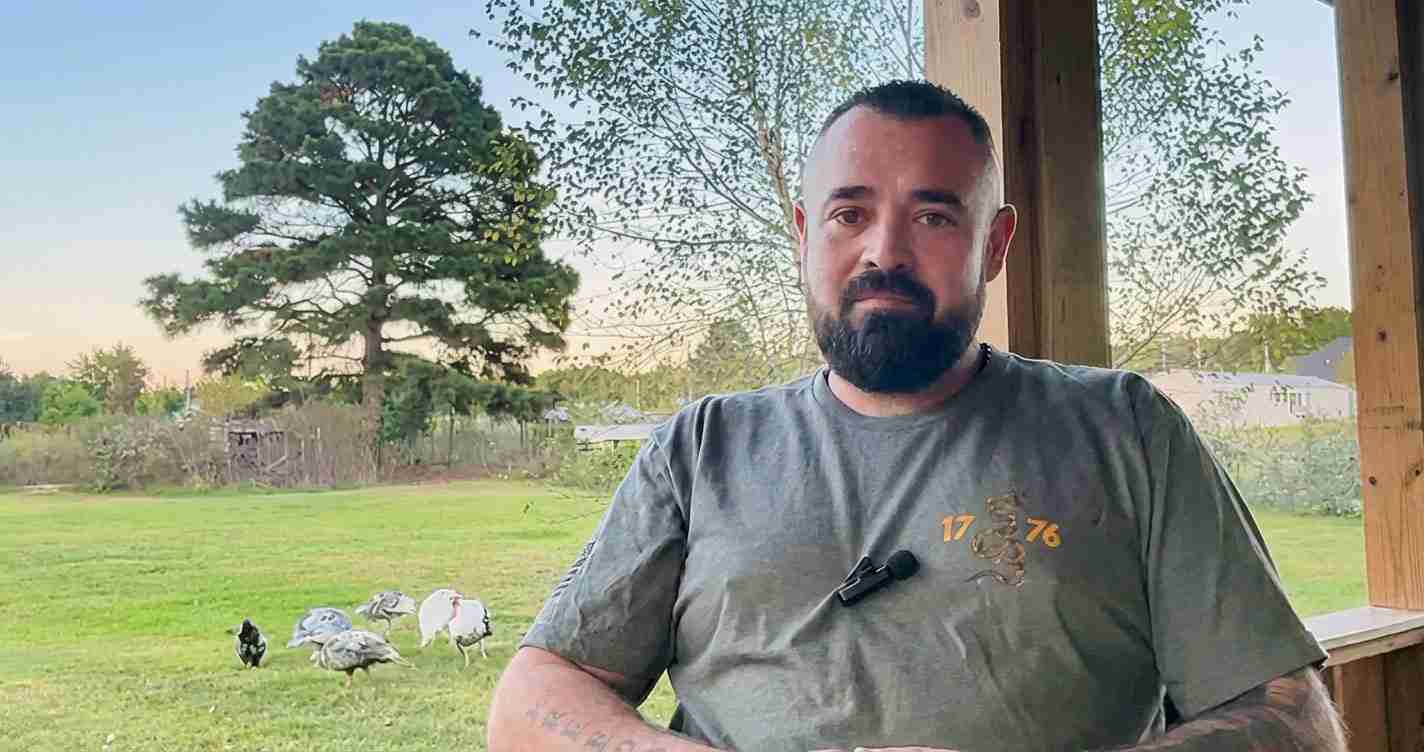
Aaron Spencer wins Republican primary for Lonoke County sheriff amid ongoing second-degree murder trial
Aaron Spencer, facing second-degree murder charges in the October 2024 death of Michael Fosler, won the Republican primary for Lonoke County sheriff on March 3, 2026, with over 53% of the vote, advancing to the November general election.
- Aaron Spencer, an Army veteran and farmer, captured the Republican nomination with more than 53% in the March 3, 2026 primary; KATV reported the result.
- Criminal charges: Spencer faces second-degree murder charges in the October 2024 death of 67-year-old Michael Fosler, who had been charged with sexual offenses against Spencer’s minor daughter.
- Legal status and implications: Spencer has pleaded not guilty and remains on bond awaiting trial; a conviction would bar him from serving as sheriff.
- Next steps: Spencer will face Democrat Brian Mitchell Sr. in the November general election while court proceedings continue.
Background: the October 2024 incident
Court records and local reporting indicate that in October 2024 Spencer awoke to find his daughter missing from the family home. He located her inside a truck belonging to Michael Fosler, forced the vehicle off a highway and an altercation escalated into a shootout. Fosler was fatally shot and Spencer called 911 after the incident. Fosler had been charged and was out on bond in connection with alleged sexual offenses against Spencer’s 14-year-old daughter.
Charges and legal status
Spencer was arrested in 2024 by deputies from the Lonoke County Sheriff’s Office and prosecutors filed second-degree murder charges. His attorneys entered a not guilty plea on his behalf. The trial, which had been scheduled for January, remained pending at the time of the March primary. If convicted, state law would prevent him from serving as sheriff.
Campaign, messaging and the Arkansas primary election
Spencer ran on a platform framed as a response to perceived failures in the criminal justice system. In campaign material he said:
“Through my own fight for justice, I have seen firsthand the failures in law enforcement and in our circuit court. And I refuse to stand by while others face these same failures.”
He added, “This campaign isn’t about me. It’s about every parent, every neighbor, every family who deserves to feel safe in their homes and safe in the community.”
Spencer avoided detailed public discussion of case facts because the matter remains before the courts, but he told KATV, “I believe that I did what any good father would do… This is about building bridges between law enforcement and the community.”
In the Republican primary he defeated incumbent Sheriff John Staley and challenger David Bufford; unofficial returns were posted by the Arkansas Secretary of State results. Spencer will meet Democrat Brian Mitchell Sr. in November.
Reactions and legal perspectives
The primary result drew sharp and immediate responses across the community. Prosecutors emphasized the need for due process and public safety; one prosecutor summed up concerns bluntly:
“We don’t live in the Wild West.”
That comment framed worries about vigilante action even as some voters expressed sympathy for Spencer given the allegations against Fosler.
Legal experts note practical and ethical complications when an individual with pending criminal charges seeks an elected law-enforcement office. State law typically bars convicted felons from holding certain public positions, meaning a conviction for second-degree murder would disqualify Spencer from serving as sheriff. Observers also raised questions about how investigations and department oversight would function should a candidate under indictment win office.
What’s next
Campaign activity is expected to intensify as Spencer and Democrat Brian Mitchell Sr. prepare for the November general election. Meanwhile, court proceedings in the second-degree murder case will continue, and media coverage is likely to follow both legal developments and the campaign trail. Local officials and the sheriff’s office may face scrutiny regarding how investigations and public safety responsibilities would be managed if a candidate under indictment were to win.
Implications for San Luis Obispo, California
Although this race is centered in Lonoke County, Arkansas, it raises issues relevant to other communities, including San Luis Obispo. Local leaders and voters should consider:
- Political consequences: Local elections can become focal points for national debates on public safety and criminal justice; voters should vet candidates’ legal status and eligibility for office.
- Trust and community relations: The campaign highlights the need for transparent protocols around sexual-assault and child-abuse allegations and proactive communication with victims’ families.
- Legal and ethical preparedness: Jurisdictions should review statutes and policies governing eligibility, deputization and succession planning when elected officials are under criminal scrutiny.
- Social effects: High-profile cases can increase public anxiety; community organizations and schools can use the moment to communicate reporting resources and support services.
- Civic norms: Leaders should balance due process with urgent attention to victims’ needs and clear community safety measures.
Reporting notes and sources
This report draws on local reporting by KATV, which compiled election returns, statements, court records and law-enforcement comments related to the October 2024 incident, Spencer’s arrest and the March primary results. See full coverage and unofficial returns via the Arkansas Secretary of State results.