Dodge County Sheriff Files Federal Lawsuit Over Alleged ICE Detention Hoax
Dodge County Sheriff Dale Schmidt filed a federal lawsuit accusing Sundas “Sunny” Naqvi of fabricating a 40‑hour ICE detention claim; investigators cite hotel records, CBP logs and surveillance that contradict her account across Illinois and Wisconsin.
Key takeaways
- Federal lawsuit filed: Dodge County Sheriff Dale Schmidt alleges Sundas “Sunny” Naqvi falsely claimed she was detained and moved across state lines, including to Dodge County Jail.
- Documentary evidence cited: Investigators point to CBP inspection logs, hotel folios, surveillance video and WhatsApp messages that place Naqvi at a Rosemont hotel.
- Public amplification: Local officials and social media amplified the claim; the lawsuit disputes those assertions and seeks to set the record straight.
- Wider implications: The case raises questions about verification, media spread and local-government responses when high-profile allegations circulate.
Key information
Dodge County Sheriff Dale Schmidt filed a federal lawsuit alleging Sundas Naqvi made false claims that she was held by federal immigration agents and moved across state lines, including to the Dodge County Jail. (Source: Fox News: “Sheriff sues woman allegedly made ICE detention; enjoyed spa day, hoax compared to Jussie Smollett”)
What Naqvi said and what investigators found
Naqvi told media and local leaders she was detained by ICE at O’Hare International Airport on March 5, transferred to an Illinois facility, then transported with five others across state lines to Dodge County Jail in Wisconsin, where she said she was held about 40 hours and released without records. The claim drew public attention and calls for investigations.
Investigators’ review: Sheriff Schmidt and his team reviewed records from multiple agencies. CBP logs show Naqvi entered secondary inspection at O’Hare at 10:46 a.m.11:42 a.m., according to the sheriff’s office. Federal officials told investigators she was not detained or transferred after leaving the airport. (Source: Fox News: “Sheriff sues woman allegedly made ICE detention; enjoyed spa day, hoax compared to Jussie Smollett”)
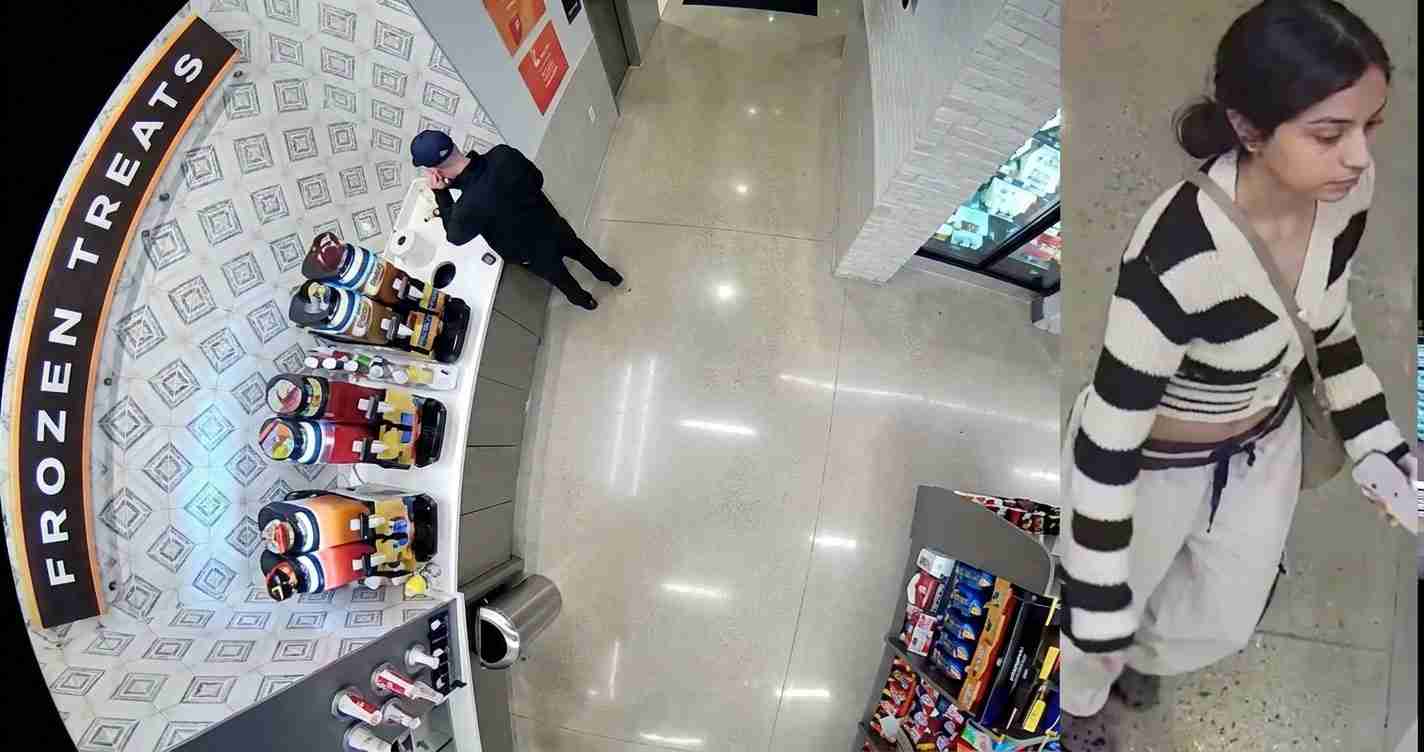
Records obtained by investigators show Naqvi checked into a Hampton Inn & Suites in Rosemont, Illinois at 1:17 p.m. on March 5. Hotel folio documents list multiple charges and purchases from March 5 through March 8, the period she later said she was in custody. Surveillance video and hotel transaction logs are cited in the complaint as placing Naqvi at the hotel. (Source: Fox News: “Sheriff sues woman allegedly made ICE detention; enjoyed spa day, hoax compared to Jussie Smollett”)
Messages, location data and the timeline
Investigators also point to WhatsApp messages from the March 5–8 timeframe. Those messages include conversations about food, work and daily activities and at one point show Naqvi asking to use a card to order food. Sheriff Schmidt highlighted messages referencing “spa services”, saying such services do not exist at the Broadview facility she named, nor at the Dodge County Jail.
Sheriff Dale Schmidt: “Now, I don’t know about you, and my staff have never reported one — there is no spa at Broadview in Chicago, Illinois. I can also tell you there is no spa lady in our jail here in Dodge County.”
The sheriff’s office says phone location data cited by Naqvi’s supporters does not match the physical timeline investigators assembled and that some claimed movements would be “not physically possible” during the time in question. The complaint notes investigators shared findings with the FBI and Illinois State Police and that the probe is ongoing. (Source: Fox News: “Sheriff sues woman allegedly made ICE detention; enjoyed spa day, hoax compared to Jussie Smollett”)
Public figures, amplification and the lawsuit’s claims
Cook County Commissioner Kevin Morrison publicly amplified Naqvi’s account, saying Naqvi and five others were transported by immigration agents and accusing local officials of a cover-up, according to the lawsuit. Schmidt’s complaint disputes those assertions and names Morrison for statements that the sheriff says were false and damaging. (Source: Fox News: “Sheriff sues woman allegedly made ICE detention; enjoyed spa day, hoax compared to Jussie Smollett”)
The story circulated widely on social media. The X account Libs of Chicago called Naqvi “Skokie’s very own Jussie Smollett,” and other users compared the case to the Jussie Smollett hoax. The lawsuit and public statements from law enforcement aim to counter the public narrative with agency records. (Source: Fox News: “Sheriff sues woman allegedly made ICE detention; enjoyed spa day, hoax compared to Jussie Smollett”)
Why some compare this case to the Jussie Smollett matter
The Wikipedia: Jussie Smollett hate crime hoax and coverage such as A&E: Jussie Smollett case overview document an episode in which an actor claimed a hate crime that investigators later concluded was staged. Smollett’s case became a touchstone for discussions about false public victimhood, media amplification and political fallout.
Law enforcement officials in Wisconsin and Illinois have not said Naqvi’s case is identical to Smollett’s. But they point to similar patterns: a high-profile allegation, rapid public spread, and later findings that documented evidence does not support the claim. Sheriff Schmidt’s filing calls the matter a hoax and seeks to set the record straight through a federal complaint. (Source: Fox News: “Sheriff sues woman allegedly made ICE detention; enjoyed spa day, hoax compared to Jussie Smollett”)
Prior investigations and legal context
The sheriff’s office says Naqvi has been involved in prior law enforcement inquiries that produced unsubstantiated claims, including a previously reported false sexual assault allegation. Investigators shared information with federal and state authorities as the current probe proceeded.
The suit notes that criminal charges may be hard to pursue even when investigators say a false narrative has been spread widely. The Department of Homeland Security publicly stated earlier that Naqvi’s account was false, and CBP records cited in the complaint are central to the timeline that contradicts the detention claim. (Source: Fox News: “Sheriff sues woman allegedly made ICE detention; enjoyed spa day, hoax compared to Jussie Smollett”)
Evidence cited in the complaint
- CBP logs: CBP secondary inspection and release times on March 5 that place Naqvi out of federal custody by 11:42 a.m. (Source: Fox News report).
- Hotel records: Hotel check-in at Hampton Inn & Suites Rosemont at 1:17 p.m. on March 5 and subsequent folio charges through March 8. (Source: Fox News report).
- Surveillance and transaction logs: Video and hotel transaction logs the complaint says show Naqvi at the hotel during the alleged detention window. (Source: Fox News report).
- WhatsApp messages: Messages indicating active communication and normal daily activity while she was supposedly detained. (Source: Fox News report).
Implications for San Luis Obispo, California
- Public trust in officials and agencies: Local governments in San Luis Obispo County rely on clear, accurate information from law enforcement. Cases like the Dodge County ICE hoax lawsuit can erode trust when widely shared claims are later disputed. Local leaders may face pressure to respond quickly when similar allegations arise in the community.
- Law enforcement workload and resources: Investigations that require cross-jurisdictional record checks, video review and coordination with federal agencies can divert local resources. San Luis Obispo County law enforcement may need to plan for similar demands if high-profile claims appear that involve travel or federal agencies.
- Political and civic debate: The case could rekindle debates in San Luis Obispo about immigration enforcement, the role of local officials in amplifying unverified claims, and how to balance community advocacy with verification. Moderate readers may expect clear procedures and calm vetting before public accusations gain traction.
- Media literacy and social media spread: The swift online spread of the Naqvi story shows how social accounts and public figures can shape narratives. San Luis Obispo residents and local media outlets should be aware of verification best practices and the importance of confirming records before republishing claims.
- Practical effects on residents: For immigrants and community groups in San Luis Obispo, disputed claims can heighten fear or skepticism around reporting genuine incidents. Local service providers and community organizations should be prepared to offer clear guidance on how to report concerns and access legal or advocacy help.
- Cultural and civic response: The region’s civic leaders may consider outreach to explain how investigations work, and to stress that public statements have consequences. A community that values balanced, fact-based responses can reduce the damage when false claims circulate.