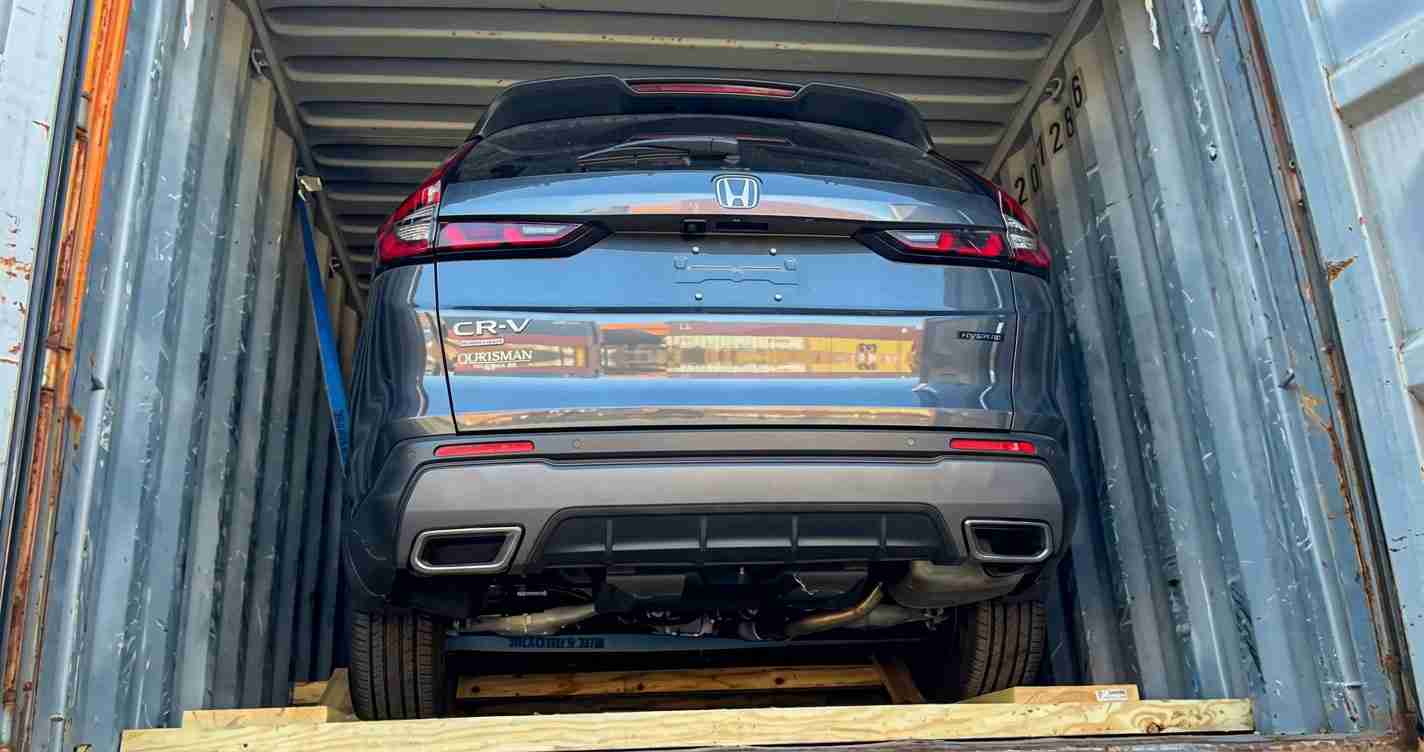
Autel Car Theft Ring in D.C.: Feds Say High-Tech Gang Rewrote Vehicle “Brains,” Shipped Stolen Hondas Overseas
A 15-count federal indictment unsealed April 22, 2026, accuses five suspects of using an Autel diagnostic device to reprogram Hondas’ ECUs and steal vehicles in under 60 seconds, then ship more than $4 million in cars overseas, authorities say.
Key takeaways
- Indictment: A 15-count federal indictment unsealed April 22, 2026, ties five defendants to more than 100 thefts in D.C. and dozens in Maryland and Pennsylvania.
- Method: Prosecutors say thieves used an Autel device to reprogram ECUs and program blank fobs, stealing Hondas in under 60 seconds without visible break-ins.
- Export scheme: Stolen cars were altered, moved to “cooling off” sites, mislabeled in containers (often “furniture”) and shipped from East Coast ports to overseas black markets.
- Local impact: Authorities warn insurers, dealerships and residents — including in San Luis Obispo — to prepare for ripple effects on prices, security and policing.
How prosecutors say the ring worked
U.S. Attorney Jeanine Pirro described the scheme as methodical and rapid. Authorities allege suspects used a small diagnostic tool — identified by Pirro as an Autel device — to reprogram a vehicle’s engine control unit (ECU) and generate a working key signal without touching the owner’s fob.
“Bang, less than 60 seconds, the car is gone,” Pirro said at a federal news conference, describing thefts with no smashed windows, no hot wiring and no visible break-in.
After reprogramming, the indictment alleges thieves disabled on-board tracking systems (GPS, Bluetooth) and moved vehicles to designated “cooling off” locations — prosecutors named a Marriott parking structure in Pennsylvania and a site in Washington’s Navy Yard as examples — where plates and VINs were swapped.
From East Coast ports to overseas markets
Prosecutors said altered vehicles were shipped from ports in Savannah, Georgia, and Baltimore, Maryland, often in containers mislabeled as furniture. Once overseas, the cars were sold on black markets, producing significant profits tied to an international trafficking pattern.
Who’s charged
The indictment names five suspects: Jacob Hernandez, David Coby, Dustin Wetzel, Chance Clark and James Young. They face federal counts including conspiracy, possession of stolen vehicles and transporting stolen property across state lines, officials said alongside D.C. Mayor Muriel Bowser, interim MPD Chief Jeffery Carroll and FBI representatives.
Why Hondas?
Pirro noted Hondas are among the most stolen makes, likely chosen for global demand for certain models and parts. Prosecutors emphasized how common vehicle technologies can be exploited by thieves repurposing legitimate diagnostic tools.
Law enforcement response and ongoing probe
Federal and local partners — including the FBI and Washington Police — said they continue to trace additional vehicles and leads. Officials described the scheme as “old crimes in new ways,” where traditional motives meet modern diagnostic tools.
Pirro and law enforcement warned business owners and vehicle owners to secure diagnostic equipment, verify customer ownership before ECU work, and remain vigilant.
Implications for San Luis Obispo, California
Economic impact
If similar rings expand or use regional intermediaries, insurers nationwide could raise premiums for targeted models. San Luis Obispo residents buying or selling used Hondas may see price and availability effects tied to export demand for parts and whole vehicles.
Local dealerships and repair shops: Independent mechanics and body shops in SLO County should secure access to ECU programming equipment and verify ownership before reprogramming keys.
Political consequences
The case underscores the need for multi-jurisdictional cooperation. SLO County law enforcement may need to coordinate with federal partners if similar theft patterns reach California ports or involve local fences. Local policymakers may question cargo screening practices and container labeling at ports.
Social and community effects
Residents of commonly stolen models might feel heightened anxiety about vehicle safety. Community leaders and law enforcement should provide clear guidance to reduce fear and prevent misinformation, and prepare victim support resources for reporting and insurance claims.
Cultural relevance
The case highlights how everyday car technology can be both convenience and vulnerability. Messaging that balances caution with realistic protection steps will resonate in communities that value practical vehicles and outdoor lifestyles.
Practical applications for residents
- Protect key fobs: Store key fobs inside a Faraday pouch or metal box to block wireless signals.
- Use physical deterrents: Steering wheel locks and immobilizers are visible deterrents that can slow or stop opportunistic theft.
- Verify service: If a shop reprograms a vehicle, ask for proof of ownership, a government ID and a detailed receipt.
- Report suspicious activity: Report people working on vehicles in garages, swapping plates, or moving cars to unusual locations; provide video or plate details when possible.
Legal and investigative follow-up
Local residents with specific vehicle concerns should contact their insurer and local police. Federal authorities in D.C. said the investigation is ongoing and they expect additional arrests as they pursue leads linked to the alleged ring.
Investigative notes and source material
This report is based on the April 22, 2026 indictment announcement and statements by U.S. Attorney Jeanine Pirro and law enforcement partners. Key source material and coverage includes:
- Fox News coverage of Pirro’s announcement
- Fox News: Pirro warns car theft ring used new tech
- WJLA local television reporting
- YouTube video excerpts from the announcement
- YouTube short clips
- CBSAustin additional local reporting
Preserved facts: The article retains original details — indictment date, number of counts, named suspects, methods alleged (Autel device, ECU reprogramming, blank fob programming, disabling of GPS/Bluetooth), alleged port shipments (Savannah, Baltimore), mislabeling of containers as “furniture,” and investigators’ estimates of roughly 100 thefts in D.C., 30+ in Prince George’s County, and near $4 million total loss.
For further reading and verification, see the linked source items above.