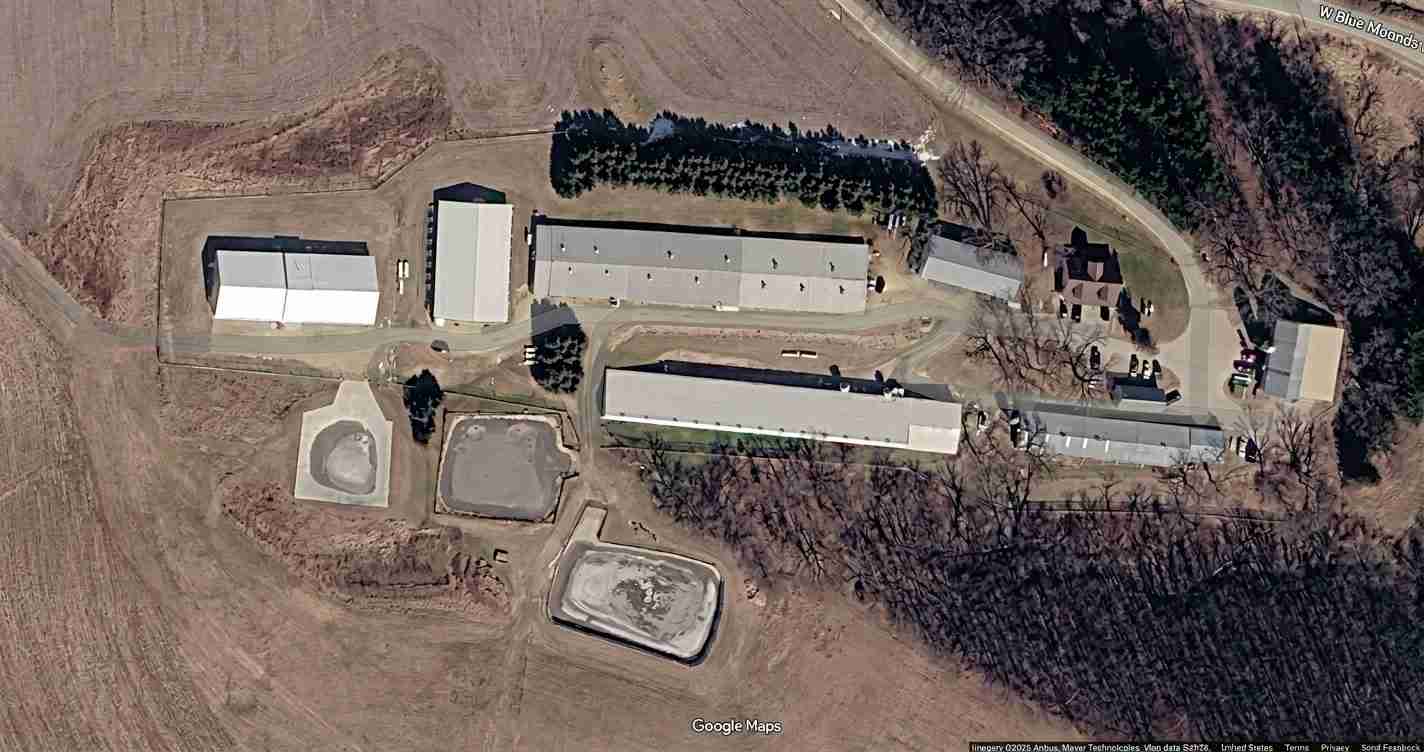
Ridglan Farms beagle release begins as 300 dogs leave controversial Blue Mounds facility in landmark animal welfare victory
Ridglan Farms began releasing 1,500 beagles from its Blue Mounds, Wisconsin breeding facility, with 300 dogs moved Friday and hundreds more expected over the next ten days as rescues coordinate medical care and adoption placements.
- Initial transfer: About 300 beagles left Ridglan Farms on Friday, with additional waves planned over at least 10 days.
- Scope: The plan is to move roughly 1,500 of the facility’s ~2,000 beagles into rescues and shelters nationwide.
- Partners: Big Dog Ranch Rescue, the Center for a Humane Economy, the Dane County Humane Society and the Beagle Freedom Project coordinated purchase and transfers.
- Care: Dogs were screened, vaccinated, given Benadryl for transport and will receive full exams, microchips and follow-up care before adoption.
First waves of transport and care
The initial vans departed Ridglan Farms on Friday carrying about 300 beagles, the first phase of a multi-day, coordinated transfer expected to continue in waves. Veterinarians screened animals onsite; basic vaccinations were administered and Benadryl was used to reduce allergic or stress-related reactions during transport.
Organizers said the dogs will be taken to partner rescue groups and shelters where they will receive:
- Comprehensive medical exams and follow-up vaccinations
- Microchipping and health documentation
- Behavioral evaluations and training, including leash walking and housebreaking
“This is a very big win and I am ecstatic to have these dogs out and get them into loving homes,” said Lauree Simmons, president and founder of Big Dog Ranch Rescue. Simmons noted that training and rehabilitation will be critical as animals adjust to life outside a breeding facility.
Deal to remove 1,500 beagles
The transfer follows a deal in which two rescue organizations agreed to buy approximately 1,500 of Ridglan Farms’ roughly 2,000 beagles for an undisclosed price. The Center for a Humane Economy has been active in coordinating logistics and public messaging for the release.
The Dane County Humane Society was scheduled to begin removing a batch of about 500 dogs starting May 11, while the Beagle Freedom Project and other groups oversee placement and adoption coordination.
Facility history and prior allegations
Ridglan Farms, near Blue Mounds, operated for more than six decades as a commercial breeder supplying beagles to research labs. Public reporting and federal estimates placed the facility’s population at roughly 2,000–2,200 dogs at the time of transfers.
Advocates and former employees raised long-standing concerns about living conditions and care. Testimony and documentation presented to a special prosecutor alleged that non-veterinary staff performed certain eye procedures—sometimes referred to as “cherry eye” corrections—without proper veterinary oversight or pain relief. A special prosecutor later concluded Ridglan performed eye procedures that violated state veterinary standards.
Ridglan Farms has maintained it did not mistreat animals and argued its work supported biomedical research. As part of a 2024 agreement to avoid prosecution on animal mistreatment charges, Ridglan agreed to surrender its state breeding license by July 1.
Political and federal funding fallout
The release has renewed scrutiny of federally funded research that uses dogs from commercial breeders. On April 24, Rep. Langworthy urged the Department of Health and Human Services and the National Institutes of Health to cut funding for research involving dogs sourced from Ridglan Farms, stressing both ethical standards and scientific integrity.
Advocates on both sides say the event underscores questions about oversight of animal sourcing for federally supported studies and whether agencies need stronger rules or transparent supplier audits. The HHS and NIH have been asked to review the provenance of dogs used in federally supported research and consider policy changes to bar animals from suppliers found to have violated welfare standards.
What happens next for the dogs
Upon arrival at partner organizations, each dog will receive a veterinary exam and behavioral assessment to determine adoption suitability. Many beagles have limited or no household experience and will need training and socialization. Rescue groups expect medical clearance, rehabilitation and placements to continue for months.
Volunteers and shelters are preparing support resources for adopters, including training guidance and follow-up veterinary care. Organizers emphasize the high costs of rehoming and are actively seeking donations and foster homes to ease the transition.
Distribution network and national coordination
The transfer leverages a national network of rescues and shelters to place beagles across the United States. Big Dog Ranch Rescue, which operates in Florida, will accept and process large groups and coordinate transport, quarantine, medical checks and adoption programs.
Local shelters and fosters in many states pledged help. Logistics require careful planning of transport routes, quarantine procedures, volunteer staffing and staggered adoption programs to avoid overwhelming receiving facilities.
Reporting and accountability
The transfer resulted from years of advocacy, legal review and public pressure. A special prosecutor’s findings about veterinary-standard violations were central to the settlement that led to the license surrender and sale of dogs to rescuers.
Authorities and organizations involved say they will continue to monitor outcomes and maintain transparency around adoptions and medical follow-up. Advocates call for stronger oversight to prevent similar issues in the future.
Implications for San Luis Obispo, California
Economic impact: Local animal welfare groups and shelters in San Luis Obispo County may see increased interest from adopters and foster volunteers inspired by the Ridglan Farms release, boosting donation drives and volunteer sign-ups. Veterinary clinics and trainers could face higher demand for microchipping, spay/neuter operations, vaccinations and behavioral training.
Political consequences: The national debate over sourcing animals for research may resonate locally, prompting calls for clearer procurement policies and transparency about suppliers for publicly funded research. Local officials may receive constituent inquiries about humane research practices.
Social and cultural effects: Community groups, trainers and shelters in San Luis Obispo are likely to mobilize to support adopters bringing home dogs with limited domestic experience. The release offers educational opportunities about humane treatment, responsible pet ownership and volunteerism, and could spur outreach about leash use, trail and beach rules for active, pet-friendly lifestyles.
Practical advice for prospective adopters: Residents should prepare for dogs needing structured training, patience with housebreaking and socialization. Verify microchip registration and vaccinations. Local trainers, behaviorists and veterinarians may offer starter packages or discounted sessions to ease transitions.
Sources and further information
Reporting for this article drew on statements and releases from Big Dog Ranch Rescue, the Center for a Humane Economy, local humane societies involved in transfer logistics, and public statements from government officials. Additional organizational resources: