New Orleans leaders blast immigration crackdown, ‘Operation Katahula Crunch,’ after DHS 5,000‑arrest goal
Federal immigration enforcement in New Orleans, labeled “Operation Katahula Crunch,” aims for up to 5,000 arrests and is drawing criticism from Mayor‑elect Helena Moreno and community groups for causing fear, possible wrongful detentions, and strained local‑federal relations.
- Key takeaways:
- Federal operation claims to target “serious” offenders but local reports say many detained do not fit that description
- Roughly 250 DHS and Border Patrol agents were reported deployed across New Orleans, with arrests at public places and job sites
- Local leaders demand transparency; advocates warn of fear, potential wrongful detentions, and community harm
What the federal operation is
Federal officials describe the New Orleans campaign as an effort to remove what they call the “worst of the worst.” National and local reporting identify the action as “Operation Katahula Crunch,” begun midweek with an internal goal of as many as 5,000 arrests in the metro area. Sources on early reporting include local TV reporting and an analysis by WABE.
How the sweeps are being carried out
Local broadcast crews and eyewitnesses report roughly 250 agents from DHS and Border Patrol operating across New Orleans. Many agents were described as masked and “fanned out” across neighborhoods, making arrests in store parking lots, public places and at job sites where day laborers gather. Early scenes and live summaries are available via a local broadcast summary.
Eyewitness videos and interviews show groups being detained, sometimes left with personal items, vehicles or tools. One account described workers taken off a roof while on the job; much early reporting highlights detentions of day laborers and workers pulled from job sites.
Reported impact and allegations of harm
Journalists, community leaders and advocates say the sweeps have “erupted into public view,” startling families and workers. Reports describe broad fear across immigrant neighborhoods — people avoiding public spaces, skipping work, and becoming wary of any authorities.
“Some detained people may be U.S. citizens or lawful workers,” community groups and local leaders say, while urging transparency and safeguards.
Advocates allege instances of U.S. citizens or people with valid work permits being detained and some claims of inhumane treatment; those allegations are reported by community groups and witnesses and are pending independent verification in court records or federal releases. Summaries and aggregated daily reporting are noted by the American Immigration Lawyers Association.
Local political and community response
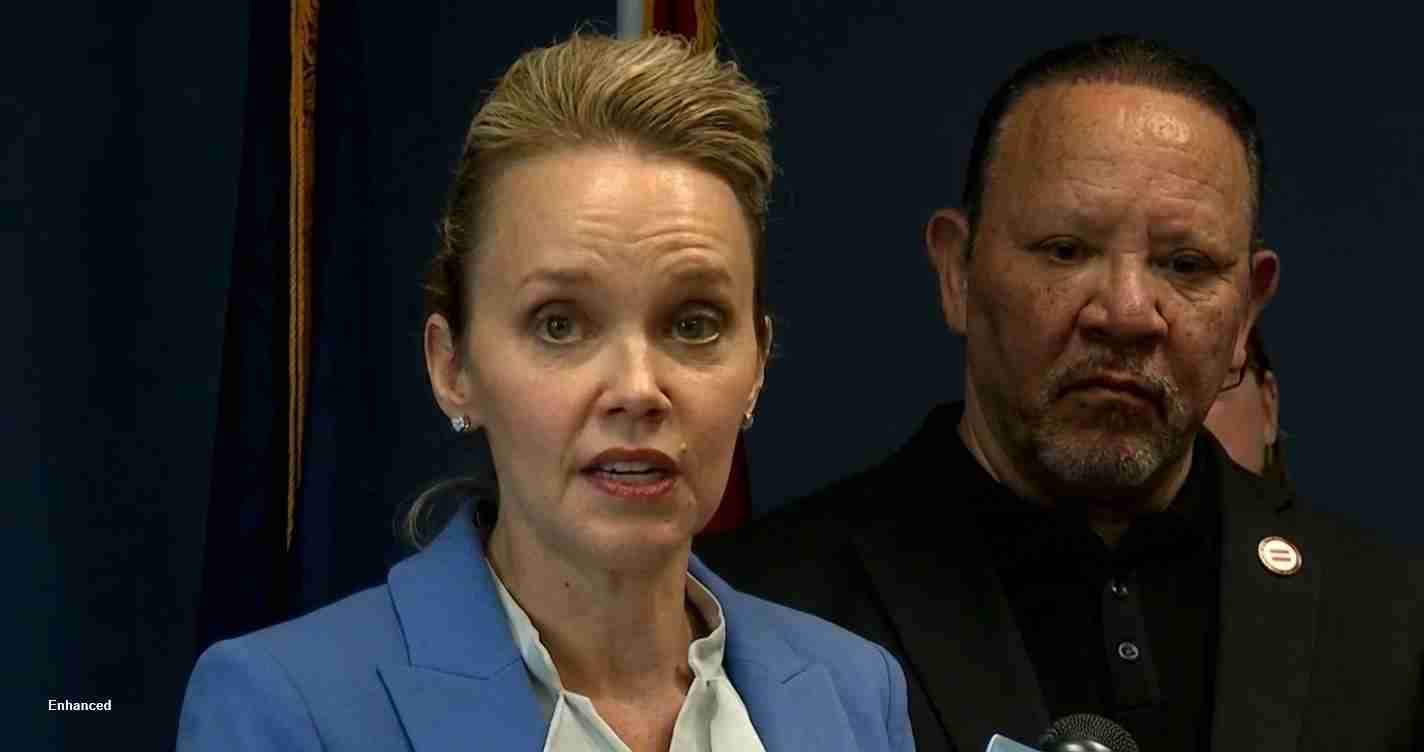
Mayor‑elect Helena Moreno has publicly demanded transparency from DHS, asking for explanations on target selection, detainee counts, and safeguards to prevent detention of citizens or lawful workers. City leaders warn the operation is harming community trust in local law enforcement. Coverage and statements are reflected in local reporting and broadcast summaries.
Faith leaders and community groups are mobilizing legal‑aid efforts and planning demonstrations, echoing support seen in parallel operations elsewhere, and organizers are preparing “know your rights” outreach and hotlines.
State and federal political context
DHS officials frame the operation as focused on the most dangerous offenders and have tied enforcement to what they call sanctuary‑style policies. Meanwhile, Louisiana’s governor has welcomed the action and indicated National Guard availability, deepening political divides between federal and local leaders as the holidays approach.
What we still do not know
Many details remain unclear: DHS has not released a full tally of New Orleans arrests tied to the operation, and independent reporters are seeking verified counts. It is not yet public how many detainees had prior serious convictions versus minor infractions or no record. Allegations of improper detention of U.S. citizens and lawful residents have been reported by advocates but lack full documentation in court filings or official releases. Courts have begun to weigh in elsewhere, including a preliminary injunction by a federal judge in Washington limiting some arrests; legal challenges tied to New Orleans are expected but not yet publicly filed. (Source summaries: AILA daily news; WABE analysis.)
Implications for San Luis Obispo
Economic impact: Fear in immigrant communities can ripple beyond New Orleans. San Luis Obispo, which relies on agricultural, service and construction workers, could face labor shortages or reduced service hours if enforcement spreads or workers fear raids. Employers may see higher costs hiring replacement labor or paying overtime.
Political consequences: For a politically moderate region, high‑visibility federal sweeps can intensify local debates over public safety and cooperation with federal agents. City and county leaders may face calls for clearer policies on local cooperation and resource use.
Social effects & practical steps: Fear tends to reduce crime reporting and cooperation with police, undermining efforts on domestic violence and labor abuse. Local nonprofits, faith groups and legal aid organizations should prepare outreach, “know your rights” materials, hotlines and rapid‑response plans. City officials may want to review protocols about protecting access to services and limiting local cooperation where lawful residents could be harmed.
Sources and reporting notes
This report is based on local TV coverage and live scenes, a public radio analysis and aggregated daily immigration reporting. Key items include a local broadcast summary and live scenes, an analysis by WABE examining the plausibility and impact of a 5,000‑arrest goal, and aggregated reporting from the AILA daily news clips. Journalists continue to seek verified tallies and records from DHS and local authorities.
Referenced reporting and clips: