CodePink co-founder Medea Benjamin Says Treasury’s OFAC Sent Administrative Subpoena Over Cuba Trip
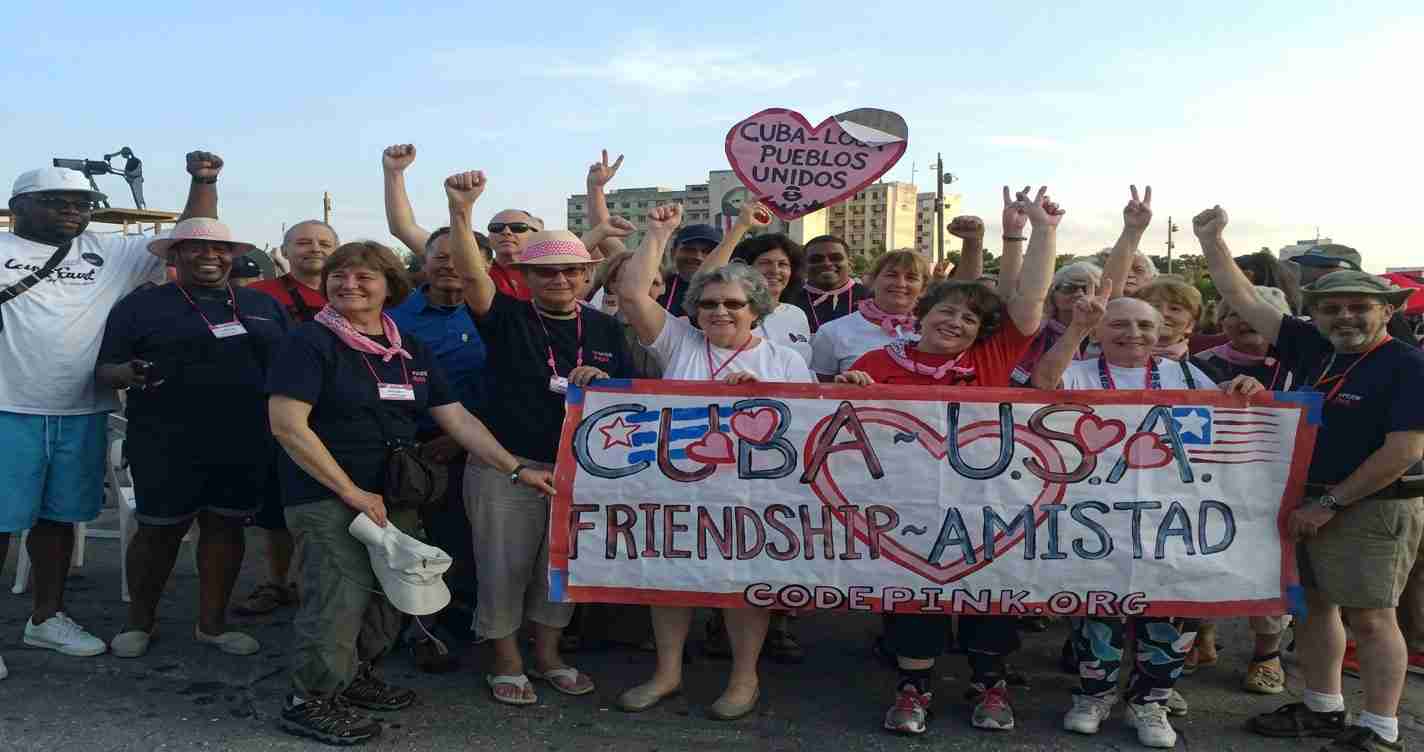
Medea Benjamin confirmed the Treasury’s OFAC issued an administrative subpoena seeking detailed financial, logistical and communications records for CodePink’s March Nuestra América Convoy — about 170 participants who delivered roughly $600,000 in aid — amid sanctions concerns.
- OFAC request confirmed: Medea Benjamin publicly acknowledged receiving a government information request reported by Fox News Digital.
- Scope of subpoena: The administrative subpoena seeks detailed financial, logistical and communications records tied to the Nuestra América Convoy, including travel, lodging and hourly activities.
- Convoy details: Organizers say ~170 people participated and the convoy delivered about $600,000 in aid.
- Broader enforcement push: The inquiry aligns with a wider federal focus on nonprofit oversight and Cuba-related sanctions compliance (KATV report).
What Benjamin said and where she said it
Medea Benjamin addressed the inquiry on camera in a video shared by the BreakThrough News platform after media reports indicated OFAC had launched an inquiry. She said she and political streamer Hasan Piker first learned of the request when Fox News Digital published the account.
Benjamin described the government’s questions as “detailed and intrusive,” saying officials wanted to know how participants traveled to Cuba, where they stayed and what they did hour by hour. She reiterated the convoy reportedly carried about $600,000 in aid.
Scope of the OFAC inquiry and legal context
Reporting indicates OFAC’s administrative subpoena aims to determine whether the convoy’s financing, coordination or delivery of goods violated U.S. sanctions laws — notably the Cuban Assets Control Regulations, which OFAC enforces. Investigators reportedly seek financial records, communications and logistical details that could show payments, transfers or other support potentially inconsistent with sanctions rules (WFMD; Christian Post).
Legal note: OFAC civil penalties may follow a strict-liability standard — intent is not always required — whereas criminal penalties typically require willfulness. Administrative subpoenas and information requests can therefore have significant consequences even absent criminal charges.
Why the inquiry fits a wider federal push
Officials say the Cuba-focused inquiry is part of a broader effort to expand oversight of nonprofits that operate overseas or support political movements. The administration has signaled increased enforcement and expected accountability from fiscal sponsors and grantmakers. Treasury Secretary Scott Bessent has emphasized that nonprofits must know their grant recipients and can be held responsible for unlawful activity (KATV).
Who else may be affected
Reports suggest investigators may seek records from multiple U.S. citizens connected to the convoy, including organizers, participants and possible fiscal sponsors. Materials sought reportedly include participant lists, travel logs, receipts, bank records and communications, helping investigators reconstruct financing and management of the mission (WFMD).
How organizations respond to OFAC requests
An administrative subpoena or Request for Information from OFAC is a standard investigative tool. Typical responses include:
- Consult counsel: Organizations commonly seek legal advice before responding.
- Produce documents: Provide requested records while preserving privilege where appropriate.
- Negotiate scope: Parties may narrow requests or agree on compliance steps.
- Plan for consequences: If violations are found, penalties can range from fines to escalated enforcement.
Benjamin’s characterization of the request
Benjamin called the federal request an “intimidation tactic” and warned it could chill humanitarian people-to-people travel and aid efforts to Cuba.
Supporters of the convoy stress its humanitarian aims and point to aid deliveries and public statements about helping Cuban communities. OFAC’s review will assess whether activities fell within allowed humanitarian exceptions or exceeded permissible conduct.
Sources and reporting
The most direct public confirmation that CodePink received an OFAC request comes from Fox News Digital reporting and Benjamin’s on-camera remarks. Additional coverage and context are available from the following outlets:
- Fox News: CodePink’s Medea Benjamin confirms getting serious Treasury Department query on Cuba trip
- WFMD: Feds subpoena Hasan Piker, Medea Benjamin over Cuba trips
- Christian Post: Hasan Piker, CodePink co-founder subpoenaed over Cuba convoy
- KATV: Trump administration targets alleged Cuba-linked activists in foreign influence probe
Implications for San Luis Obispo, California
San Luis Obispo’s nonprofit and university communities may feel ripple effects from increased federal scrutiny of international activity. The following areas summarize likely local impacts.
Economic impact
Heightened compliance demands can raise administrative costs, requiring local nonprofits to hire legal counsel or compliance staff and reducing funds available for direct programming.
Political consequences
Local leaders may face pressure from constituents advocating for strict enforcement and from activists who view inquiries as political targeting of advocacy work.
Social effects
Students and volunteers involved in international solidarity or aid projects could encounter increased barriers to travel, fundraising and in-kind donations for programs involving Cuba or other restricted nations.
Cultural relevance
Debate may grow locally about the role of civic groups in international affairs as residents balance support for humanitarian missions with concerns about compliance and oversight.
Practical applications for residents
- Review policies: Nonprofits should audit foreign-activity policies and recordkeeping now and consult counsel on OFAC and IRS compliance (WFMD).
- Document travel: Individuals planning humanitarian travel should document donor intent, receipts and partnerships before fundraising or transporting goods.
- Train students: Universities and student groups should tighten training and policies for service programs and study-abroad activities.
Reporting on evolving enforcement
As OFAC’s inquiry into the Nuestra América Convoy develops, local nonprofit leaders, students and residents will watch for federal guidance and legal precedent. Media coverage and public statements from both organizers and officials will shape whether the convoy is ultimately viewed as a protected humanitarian effort or a sanctions concern.