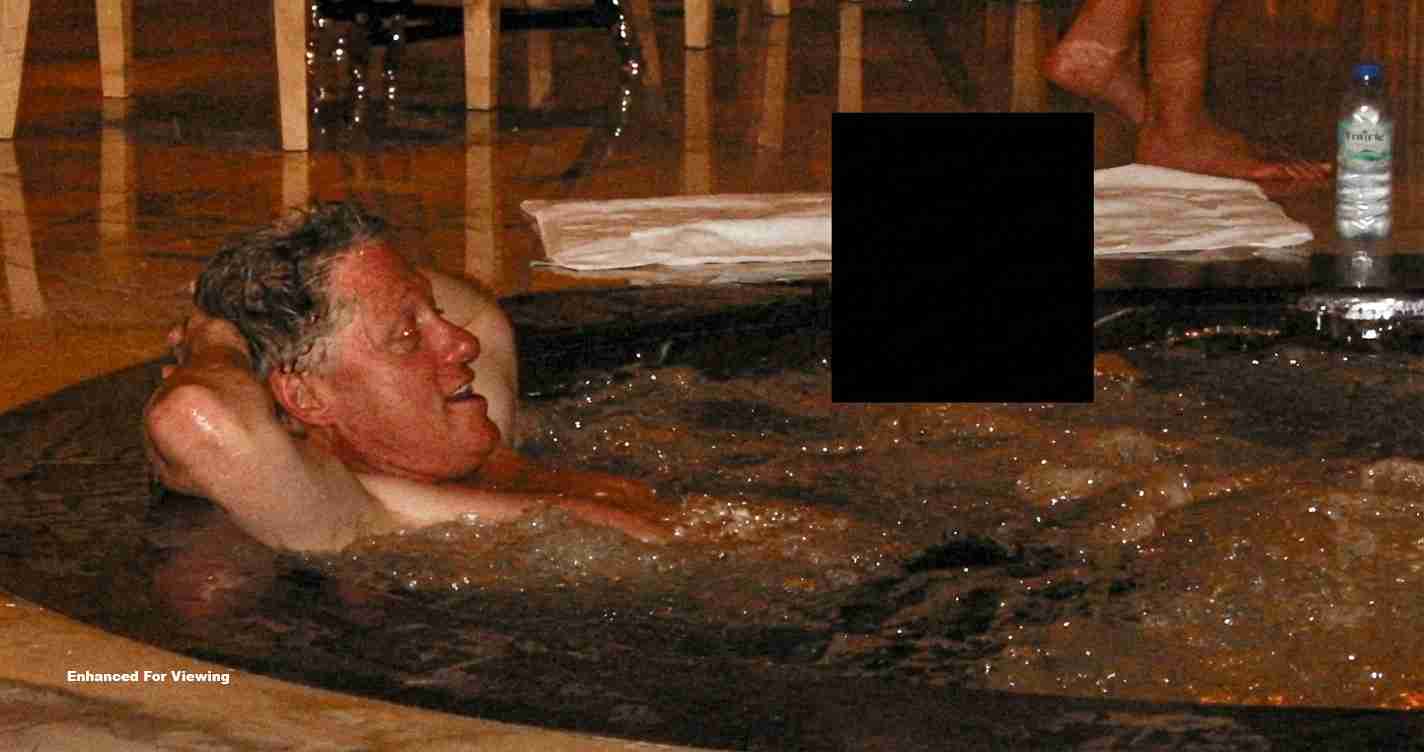
DOJ posts large “Epstein library” of images and records — property photos, personal shots with high‑profile figures among materials released
The Department of Justice has published a large, searchable “Epstein Library” of files and images under the Epstein Files Transparency Act, releasing thousands of property photos and informal personal images while withholding sensitive victim and investigatory material.
- The DOJ created a public, searchable “Epstein Library” to comply with the Epstein Files Transparency Act and related oversight work (background).
- Image-heavy datasets include thousands of property photos (Manhattan, Little St. James) and many informal personal images; DOJ warns users about sensitive material (DOJ Epstein site).
- Victim identities and CSAM are redacted/withheld and some materials remain classified or held back for ongoing investigations (DOJ media summary).
Main content
What the law required and how DOJ responded
Congress passed the Epstein Files Transparency Act (see also background), signed into law in November 2025. The statute directed the attorney general to publish files related to the prosecution of Jeffrey Epstein in a searchable, downloadable format and to provide an unredacted list of government officials and politically exposed persons to congressional judiciary committees (the list itself need not be public).
DOJ told Congress it held roughly 100,000 pages plus hundreds of gigabytes of digital media seized from multiple locations and devices. Ahead of the statutory deadline, DOJ and FBI personnel performed a large redaction effort to remove identifying information about victims and to withhold any child sexual abuse material (CSAM) in compliance with federal law and policy (DOJ Epstein site; DOJ media summary).
House Oversight response
The House Oversight Committee used subpoena power and released more than 33,000 pages DOJ provided in its oversight production, emphasizing that DOJ will continue rolling productions while protecting victim privacy (Oversight Committee release).
The DOJ “Epstein Library” and the image data sets
DOJ has posted a public-facing site labeled the “Epstein Library” where users can search and download many of the released materials; DOJ warns the archive contains a “large volume of images of Epstein, images and videos of victims who are either minors or appear to be minors, and other digital evidence” and cautions users about sensitive material (DOJ Epstein site; DOJ media summary).
“Large volume of images” — DOJ description warns of sensitive content and victim images, and stresses user caution.
Available downloads appear organized into multiple image-heavy sets. Public reporting and reviewers of the downloads describe at least two major categories:
- Property imagery: Thousands of interior and exterior photographs documenting Epstein’s properties (Manhattan townhouse, Little St. James), including rooms, art, safes, wiring and other evidence cataloged during searches (DOJ media summary).
- Personal and social photos: Informal photographs of Epstein in leisure and travel settings; reviewers report images that include casual solo poses and some showing Epstein alongside well-known public figures. DOJ summaries do not provide itemized, image-by-image identifications (DOJ Epstein site; Oversight release).
What is and is not in the public drop
DOJ’s release is substantial but not exhaustive. Officials are withholding or redacting certain materials for legal, safety and privacy reasons:
- Victim protections: Victim identities and any images that qualify as CSAM are being withheld or redacted consistent with federal law and DOJ policy; DOJ states it worked to remove personal information about victims (DOJ Epstein site).
- Ongoing investigations/national security: Materials that could affect active investigations, national security, or counterintelligence concerns may be classified or redacted and not publicly released (DOJ media summary).
- Congressional lists: The law required an unredacted list of government officials and politically exposed persons be provided to congressional committees; DOJ is not required to make that list public, and the most sensitive items remain redacted.
On specificity of images and identifications
Many vivid descriptions circulating online come from individuals who downloaded and reviewed the archives directly. Those reviewers’ characterizations generally align with the types of material DOJ reported it held and sometimes match images or captions that have circulated in earlier filings and reporting. However, DOJ’s public summaries do not provide a frame-by-frame catalog naming who appears in each image, so independent verification remains important.
Journalists and researchers should separate DOJ’s formal descriptions from independent reviewers’ claims and avoid asserting identifications absent corroborating documentation.
Other image sets and remaining materials
Beyond property and personal photos, the releases likely include investigative scene photos and exhibit images taken during evidence processing, travel-related documents (flight manifests, luggage lists, photos of aircraft and yachts), and digital media such as hard drives and device images containing logs and messages.
DOJ and the Oversight Committee have not published a formal, numbered “Dataset 1–4” keyed list; that four-set description appears to be an organization used by download reviewers rather than an official DOJ labeling (DOJ Epstein site).
What can be said with confidence
- The DOJ has created a public archive of Epstein-related materials in response to the Epstein Files Transparency Act.
- The archive contains substantial photographic evidence documenting Epstein’s properties and many personal images of Epstein (DOJ media summary).
- Some released photos and prior filings show Epstein in social settings with well-known figures; reviewers report similar images, but DOJ’s public materials do not include detailed image-by-image identifications (Oversight release).
Implications for San Luis Obispo, California
Economic impact
Local media and tourism: San Luis Obispo County’s travel- and tourism-dependent businesses could see temporary spikes in news traffic and lodging for visiting reporters, providing marginal short-term benefits to hotels, restaurants and service providers.
Legal and professional services: Local lawyers, private investigators, and consultants may receive inquiries from residents seeking to understand records or assess potential local connections (for example, flight logs or business ties), creating short-term demand for paid services.
Political consequences
Local officials and campaigns may face pressure to comment if names tied to the county appear in broader disclosures. Constituents may ask state and federal representatives about transparency, oversight and the balance between privacy and public interest.
Social and community effects
Victim support awareness: The release highlights the scale of trafficking investigations and can raise local awareness about survivor services; nonprofits may see increased donations or volunteer interest.
Community discussion: Residents may engage in conversations about wealth, power and accountability that influence civic groups, schools and faith communities.
Cultural relevance
Media literacy and local reporting: The episode underscores the need for careful reporting. San Luis Obispo’s civic culture favors measured engagement; accurate coverage will matter for preserving that tone.
Practical effects on daily life
Access to records: Individuals seeking to search the DOJ archive should prepare for large downloads and the presence of redactions. Local libraries, universities and journalism groups may assist residents in navigating the files.
Safety and privacy: Residents should be cautious about sharing unverified screenshots or naming individuals based on partial image reviews. Misidentification or circulation of sensitive images can have legal and personal consequences.
Sources and reporting notes
This article draws on DOJ public materials and the House Oversight Committee’s document release, plus statutory text and background reporting. Primary sources include the DOJ Epstein site, the DOJ media summary (pdf), the Oversight Committee release (Oversight release), and the congressional bill text (bill text) and background material (Wikipedia).
If desired: I can produce a local sidebar for San Luis Obispo outlets on how to search the DOJ archive safely and how to contact local victim-support organizations.