EU designates IRGC terrorist, launches new Iran sanctions in major policy shift
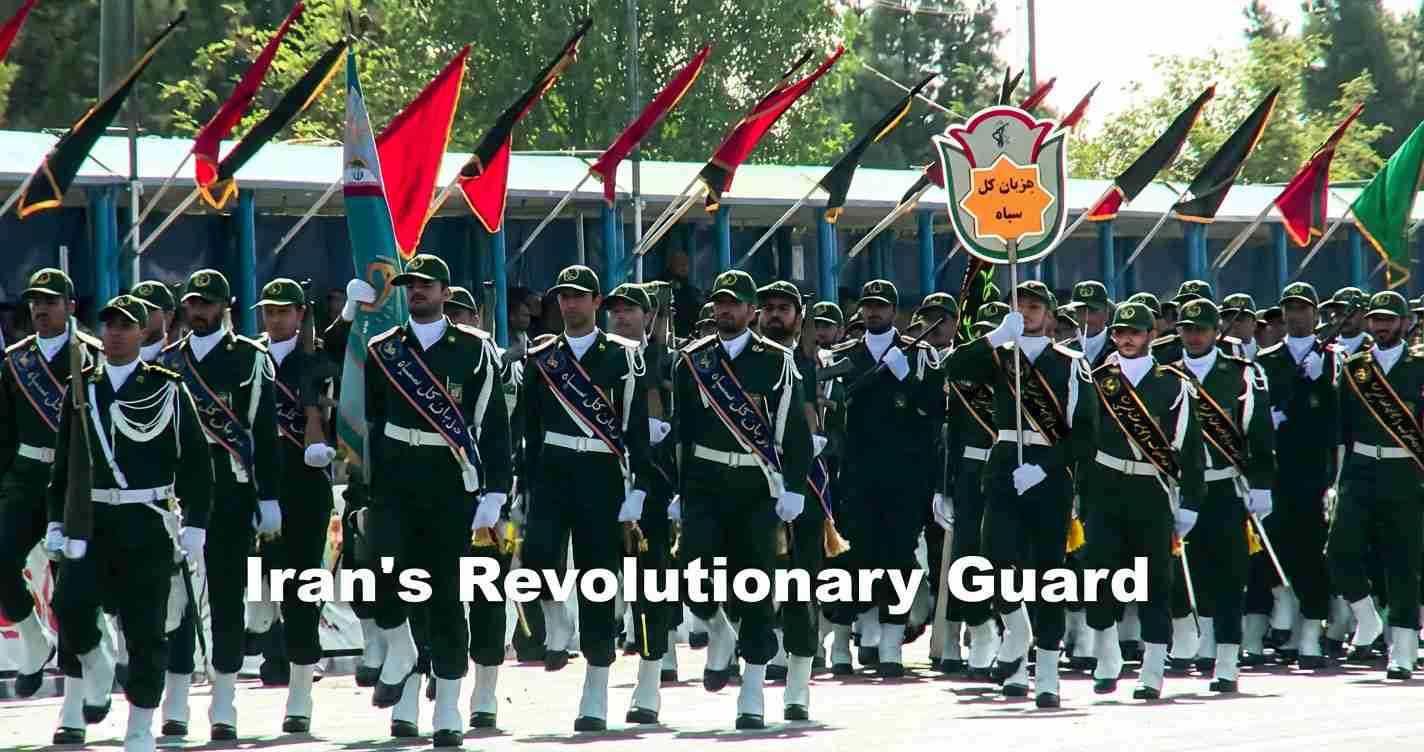
The EU unanimously designated Iran’s Islamic Revolutionary Guard Corps (IRGC) as a terrorist organization on January 29, 2026, and announced new sanctions targeting officials, judiciary and entities tied to protest crackdowns and Tehran’s support for Russia.
Key takeaways
- Unanimous political decision: All 27 EU member states agreed on January 29 to label the IRGC a terrorist organization, moving the matter to legal drafting for formal adoption.
- New sanctions package: Measures include asset freezes, travel bans and restrictions on officials, judiciary members, police forces and IRGC-linked entities tied to the protest crackdown.
- Response to mass repression: The move was driven by evidence tying IRGC units to the killing of thousands of protesters and by concerns over IRGC support to Russia.
- International alignment and fallout: The decision aligns the EU with the U.S., Australia and Canada; Tehran condemned the step and warned of consequences.
- Local implications: Minimal direct economic impact for San Luis Obispo County but potential social and political effects among communities and institutions.
Main story
Political agreement and path to legal adoption
EU foreign ministers in Brussels reached unanimity on the political step to label the IRGC a terrorist group on January 29. France changed its position on January 28, helping secure support from previously hesitant governments. The ministers said the move responded to the IRGC’s role in the violent suppression of mass protests that began in late December 2025. The political agreement now moves to legal drafting and formal adoption, a process EU officials expect to complete in the “coming weeks.”
Analysis informing capitals is available from the Foundation for Defense of Democracies analysis and reporting in Le Monde.
Why the shift now: protests, killings and Russia ties
EU officials and analysts said the decision follows mounting evidence of a brutal crackdown inside Iran. Research provided to EU capitals links IRGC units and associated forces to the killing of thousands of protesters since Dec. 28, 2025. Some reports cited in the political debate put the death toll at over 35,000 civilians — a figure used by some ministers to argue that the scale of violence required a firm response. Officials also flagged the IRGC’s role in providing military support to Russia and in directing or backing proxy groups abroad.
New sanctions package: targets and scope
Alongside the designation, the EU agreed a sanctions package targeting Iranian officials, members of the judiciary, police forces and IRGC-linked entities implicated in the protest crackdown. Measures include asset freezes, travel bans and restrictions designed to disrupt IRGC networks in Europe. The package also addresses a recent weeks-long internet blackout in Iran by sanctioning those responsible for communications suppression. These moves build on earlier EU sanctions that already listed roughly 230 individuals and 40 entities linked to Tehran.
Statements from EU leaders
European Commission President Ursula von der Leyen welcomed the political agreement and called the move “long overdue” in a post on X:
“I welcome the political agreement on new sanctions against the murderous Iranian regime… And on the designation of the Islamic Revolutionary Guard Corps as a terrorist organization.”
EU High Representative Kaja Kallas said, “Repression cannot go unanswered… Any regime that kills thousands of its own people is working toward its own demise.” French Foreign Minister Jean‑Noël Barrot called the crackdown “unbearable” and urged Europe to impose sanctions on those responsible.
Expert reactions and allied responses
Analysts at the Foundation for Defense of Democracies analysis called the move a “welcome” alignment with the United States and urged the United Kingdom to follow suit to close transatlantic policy gaps. The World Jewish Congress statement praised the decision, noting the IRGC’s support for proxy groups and calling for strict enforcement of asset freezes and travel bans. Iran expert Matthew Levitt said criminalizing IRGC membership and support will boost police cooperation and make it harder for the IRGC to operate in Europe.
Tehran’s response and wider diplomatic fallout
Iran’s foreign ministry denounced the decision and described the IRGC as a “counterterror” force, calling the EU move hostile and warning of consequences for bilateral relations. Separately, the UK Home Office said it is preparing legislation to outlaw the IRGC domestically, a step pushed by parliamentarians after the protests, though ministers did not fast‑track the bill — coverage and updates are available on the Iran International liveblog.
Enforcement challenges and practical effects
Designating the IRGC as a terrorist group gives EU police and courts more tools: it can criminalize membership, funding or public support, and should improve evidence-sharing among EU states. However, enforcement will vary by country and will depend on national police and prosecutors. Activists and analysts urge the EU to pair sanctions with support for internet access and human-rights groups to help protesters inside Iran.
How this fits into a wider EU Iran policy shift
For years the EU balanced engagement on Iran’s nuclear file with human-rights concerns. The inclusion of the IRGC marks a clear policy shift away from cautious engagement and toward stronger isolation. By aligning with the U.S., Australia and Canada — all of which have designated the IRGC — the EU signals a tougher, more unified Western approach to Tehran’s repression and foreign operations.
Implications for San Luis Obispo, California
Economic impact
Direct trade links between San Luis Obispo County and Iran are minimal, so immediate economic shocks are unlikely. Local wineries and agricultural exporters may monitor global market uncertainty that can influence shipping costs and insurance rates. Small businesses relying on international shipping or imports could see modest price shifts if broader tensions affect energy or logistics markets.
Political consequences
The designation may sharpen local debates about U.S. foreign policy. Voters who favor strong human-rights stances may welcome the EU move as aligning allies against repression. Local officials may face constituent pressure to support refugee assistance or to comment on U.S.-EU coordination.
Social effects
San Luis Obispo’s diverse student body at Cal Poly and its Iranian and Middle Eastern communities may feel heightened anxiety for relatives in Iran. Community groups and faith organizations could organize events, vigils or information sessions for affected families and students seeking to understand the crisis.
Cultural relevance and practical applications
Local nonprofits focused on civil liberties, refugee aid and immigrant services may see increased demand. Lawyers and immigration advocates should prepare for asylum and family reunification inquiries. Universities and schools should bolster counseling services, and law enforcement may plan outreach to ensure public safety and civil dialogue.