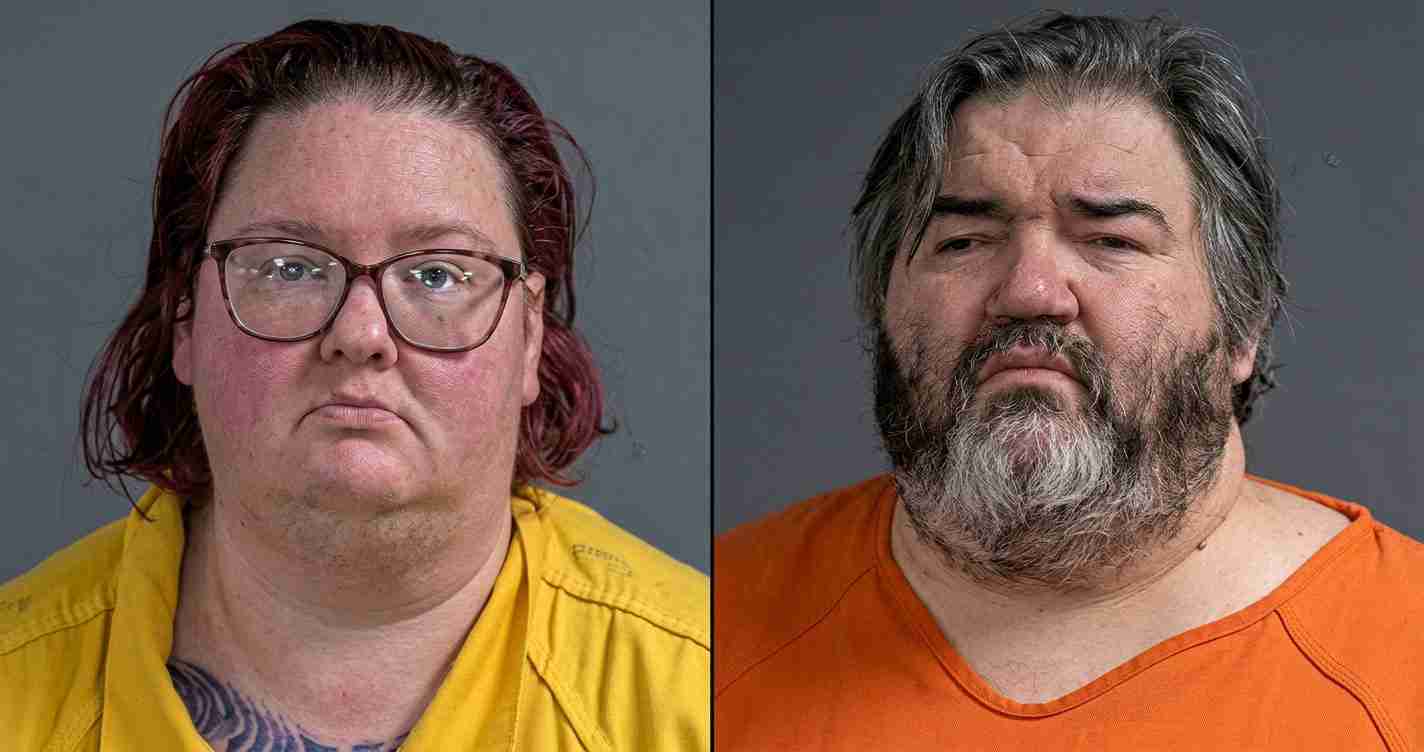
David Pearce fentanyl deaths: Hollywood producer sentenced to 146 years as prosecutors reveal rape accusation by ‘hero officer’
A Los Angeles court has sentenced Hollywood producer David Pearce to 146 years to life for two fentanyl-induced deaths and multiple sexual assaults, a ruling prosecutors say delivers long-awaited justice and underscores fentanyl’s deadly impact.
- Sentence: David Pearce received 146 years to life in state prison for two first-degree murders and multiple sexual offenses.
- Victims: Two women died after fentanyl overdoses in November 2021; seven other women were identified as sexual assault victims.
- New revelation: Prosecutors disclosed that one victim who testified was described as a “hero officer who died helping others,” and she had accused Pearce of rape.
- Co-defendant: Brandt Osborn faces retrial after the jury was unable to reach a verdict on accessory-to-murder charges.
Details of the crimes and trial
According to the Los Angeles County District Attorney press release, Pearce met Christy Giles and Hilda Marcela Cabrales-Arzola at a warehouse party in East Los Angeles. The women later accompanied Pearce and co-defendant Brandt Osborn to Pearce’s Beverly Hills apartment where prosecutors say Pearce administered GHB and fentanyl.
Both Giles and Cabrales-Arzola died after overdoses in November 2021; their bodies were discovered outside separate hospitals that month. In February 2025 a jury found Pearce guilty of two counts of first-degree murder for the deaths and convicted him on multiple sexual-offense counts.
Convictions included: three counts of forcible rape, two counts of sexual penetration by use of force, one count of sodomy by use of force and one count of rape of an unconscious woman. Prosecutors say seven women came forward as sexual assault victims.
Prosecutors’ statements and reactions
“The courage shown by the victims who came forward was central to holding Pearce accountable,” prosecutors said, framing the case as an example of the harms caused by trafficked and misused drugs and the exploitation of vulnerable people.
During sentencing, prosecutors publicly revealed for the first time that one testifying victim was a “hero officer” who later died while helping others. Court records and reporting provide no additional identifying details about the officer or the circumstances of her death, but the DA’s office said her testimony was powerful and helped the jury understand Pearce’s violent behavior toward women.
Local outlets covered courtroom scenes and community reaction; video reports include reporting by CBS Los Angeles and other local broadcasters such as KTLA.
Legal outcomes and penalties
The court imposed a 146-year-to-life prison term, and Pearce was ordered to register as a lifetime sex offender. The DA’s office stated the sentence reflects both the severity of the murders and the violent sexual offenses.
Pearce’s co-defendant, Brandt Osborn, did not receive a verdict at the same trial. The jury was unable to reach agreement on accessory-to-murder charges against Osborn; prosecutors said a retrial is scheduled on those counts (see the Los Angeles County District Attorney press release).
Victims and community response
Survivors and family members spoke in court or through statements accompanying reporting. The DA’s office praised the women who testified as brave for sharing painful experiences. Advocates note that cases like this demonstrate the need for better support systems, more accessible reporting options and increased public awareness about drug safety and consent.
The revelation that a “hero officer” was among the victims underlines that sexual violence and drug-related harm can affect individuals from many walks of life, including those who serve and protect others.
Implications for San Luis Obispo, California
Economic impact: Counties across California, including San Luis Obispo, face higher emergency and medical costs when treating overdoses. This case, while in Los Angeles, underscores the statewide financial strains on emergency response, addiction treatment and victim services.
Political consequences: High-profile prosecutions may prompt local calls for increased funding for addiction treatment, naloxone distribution and law enforcement training on fentanyl and sexual assault investigations.
Social and cultural effects: The fact that a “hero officer” was among the victims can affect first-responder morale and encourage agencies to expand mental health and support services. San Luis Obispo’s community-focused culture may spur conversations about protecting guests at gatherings where drugs might be present.
Practical applications for residents
Local officials and community groups can use the Pearce case to promote concrete safety measures: carry or distribute naloxone, attend free overdose-response trainings, support sexual-assault hotlines and shelters, and report suspicious behavior to law enforcement. Residents should know support services are available through county public health and victim advocacy organizations.
For specific local resources, contact San Luis Obispo County Public Health or your local police department; check official county and police webpages for direct service links.
Sources and coverage
- Los Angeles County District Attorney press release: David Pearce sentenced to 146 years to life in prison for fentanyl overdose deaths of two women (Nov. 2021 deaths)
- CBS Los Angeles coverage of the sentencing
- KTLA / local broadcast reporting (video)
Reporting and courtroom details were provided by the Los Angeles County District Attorney’s office; local television outlets documented reactions and courtroom scenes. The DA’s office said the charge list, jury verdict and sentence reflect both the murders and the multiple sexual offenses Pearce committed (see the Los Angeles County District Attorney press release and video coverage by CBS Los Angeles and KTLA).