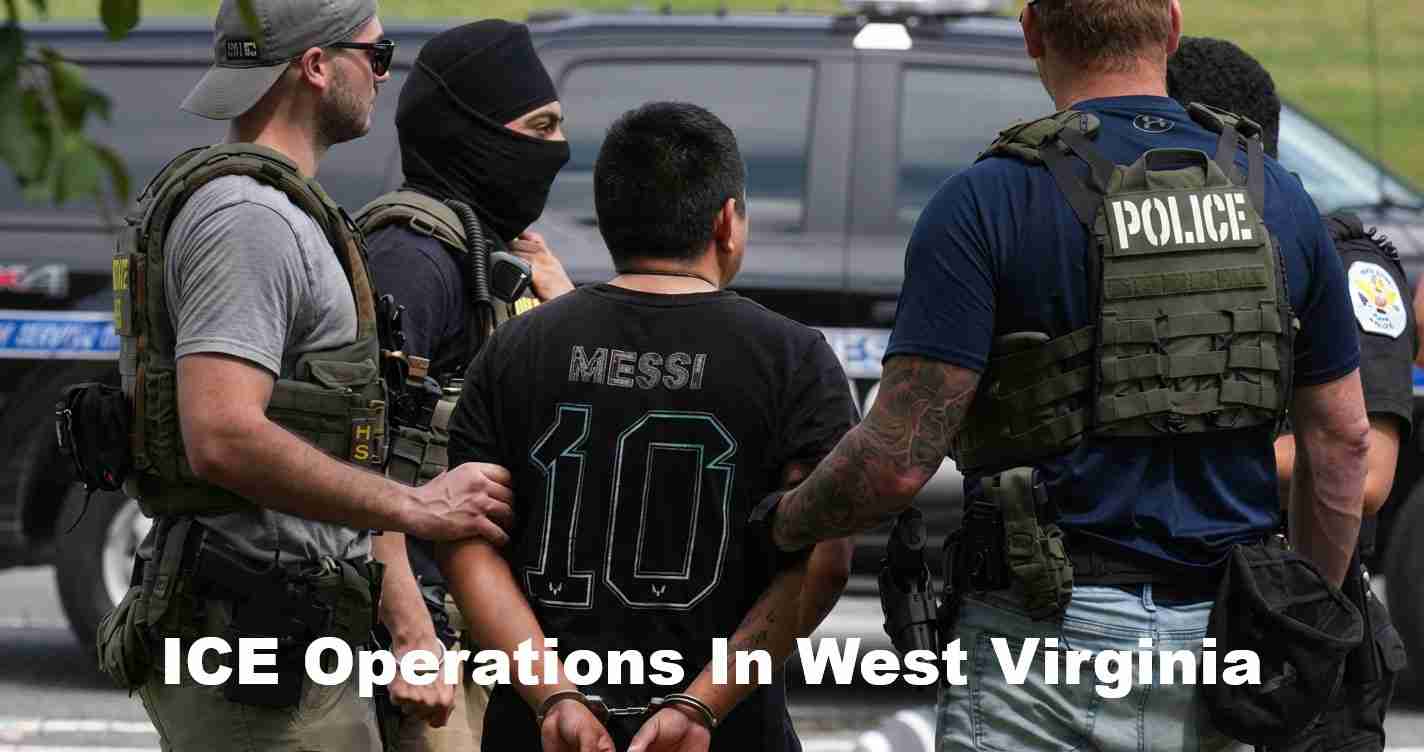
ICE “Operation Country Roads” nets 650 arrests in West Virginia as local 287(g) partners play major role
ICE’s “Operation Country Roads” resulted in 650 arrests across West Virginia from January 5–19, 2026, targeting individuals deemed risks to public safety and national security, with local 287(g) partners instrumental in more than 550 arrests.
Key takeaways
- 650 arrests statewide during Jan. 5–19, 2026, led by ICE ERO Philadelphia in coordination with 14 federal, state and local partners.
- More than 550 arrests involved state and local agencies operating under the 287(g) program.
- Arrestees included individuals with serious criminal convictions and cases that generated federal charges in the Southern District of West Virginia.
- Local implications: the operation offers a model and concerns for jurisdictions such as San Luis Obispo, California, on public safety, labor, and community trust.
Operation details and scope
ICE reported that Enforcement and Removal Operations (ERO) Philadelphia led a targeted surge from Jan. 5–19, 2026, deploying specialized teams to cities including Charleston, Martinsburg, Beckley, Moorefield, Morgantown, and Huntington. Federal officials said the effort involved coordination with 14 federal, state and local partners and was described as intelligence-driven rather than a broad sweep.
Participating counties named by officials included Cabell, Fayette, McDowell, Nicholas, Putnam, and Wood, with municipal police departments in Fayetteville, Hurricane, Oak Hill, Richwood, and Summersville also assisting. (Sources cited by officials include WJLA and the U.S. Attorney’s Office.)
287(g) program role
The operation relied heavily on the 287(g) program, which permits trained state and local officers to perform certain immigration enforcement functions under ICE oversight. U.S. Attorney Moore Capito said more than 550 of the arrests involved 287(g) participants, and officials noted that Gov. Patrick Morrisey signed a statewide Memorandum of Agreement with ICE in August 2025 expanding participation to 25 West Virginia entities.
Officials credited 287(g) training with improving local capacity to identify, arrest, and process immigration cases in the field while maintaining ICE oversight. (Source: U.S. Attorney’s Office; coverage in WV MetroNews.)
Quotes from officials
Michael Rose, acting Field Office Director for ICE ERO Philadelphia: “This operation demonstrates how strong partnerships between ICE and West Virginia law enforcement agencies enhance public safety and the integrity of our immigration system. By training and supporting our 287(g) partners across the state, we’ve expanded local capacity to identify, arrest, and process illegal aliens while ensuring these authorities are exercised professionally and consistent with the law.”
U.S. Attorney Moore Capito described the effort as “a clear demonstration of the strength, discipline, and resolve of our state and local law enforcement partners.” State Police Superintendent Col. Jim Mitchell noted the State Police had assisted ICE with about 250 arrests since September 2025 and said, “We haven’t apprehended anyone who has not been in violation of the law.”
Criminal charges and notable arrests
Federal officials reported several arrests led to federal criminal charges in the Southern District of West Virginia. For example, eight people faced federal immigration charges after operations at a Nitro business and residence on Jan. 16, 2026. ICE and local reporting identified arrests of individuals with convictions described as including child sex abuse, drug possession, and endangering the welfare of children.
Local media named specific cases reported during the surge, including Sagar Singh, an Indian national accused of operating an unsafe tractor-trailer, and Ling Yan (also known as Yang Ning), a Chinese national with a prior Ohio conviction for endangering the welfare of children and a final order of removal. (Sources: WJLA; WV MetroNews.)
How the operation unfolded
Officials characterized Operation Country Roads as a targeted, intelligence-driven surge that focused on individuals with prior criminal convictions or those who posed threats to safety and national security. Teams from ERO Philadelphia worked alongside West Virginia State Police, county sheriffs, municipal police, the West Virginia National Guard, and the Division of Corrections and Rehabilitation. ICE said the operation was coordinated and carried out without protest.
Accountability, civil rights and community response
Although officials reported the operation unfolded without protest, immigrant-rights groups and civil liberties advocates often express concerns about expanded local enforcement under 287(g), warning it can strain community trust and deter victims or witnesses from reporting crimes. Local leaders in West Virginia have publicly emphasized law enforcement cooperation and the public-safety rationale; advocates elsewhere urge safeguards, training, and oversight to protect civil rights. (See local reporting context: WCHS‑TV.)
Implications for San Luis Obispo, California
Although California maintains different state-level immigration protections than West Virginia, Operation Country Roads offers practical lessons for San Luis Obispo on three fronts:
- Economic impact: Agriculture, tourism, and small businesses that rely on immigrant labor may see workforce disruptions if local workers fear enforcement, potentially raising costs and reducing availability.
- Political consequences: The operation could influence local debates about cooperation with federal immigration officials and spur calls to review or reaffirm sanctuary policies.
- Social effects: Expanded enforcement-style cooperation can erode trust between immigrant communities and law enforcement, reducing reporting of crimes and harming public safety unless mitigations are implemented.
Practical applications for local leaders
Local law enforcement and county officials in San Luis Obispo should consider practical steps to balance public safety and community trust:
- Review policies and training touching on immigration enforcement to ensure alignment with county priorities and legal protections.
- Coordinate with immigrant service organizations to maintain communication, outreach, and know‑your‑rights education.
- Provide clear guidance to employers on labor rights and on steps to take if workers are detained.
- Monitor state and federal developments around 287(g) and similar programs and prepare contingency plans.
Reporting and sources
This article draws on federal and local reporting and on statements from ICE and the U.S. Attorney’s Office. Key sources include:
- WJLA report on the operation
- U.S. Attorney’s Office press release
- WV MetroNews coverage
- WCHS‑TV reporting on state cooperation with ICE
For local officials and community organizations in San Luis Obispo, the West Virginia operation provides concrete examples to consider when weighing public safety, civil rights, and community trust as federal and state policies evolve.