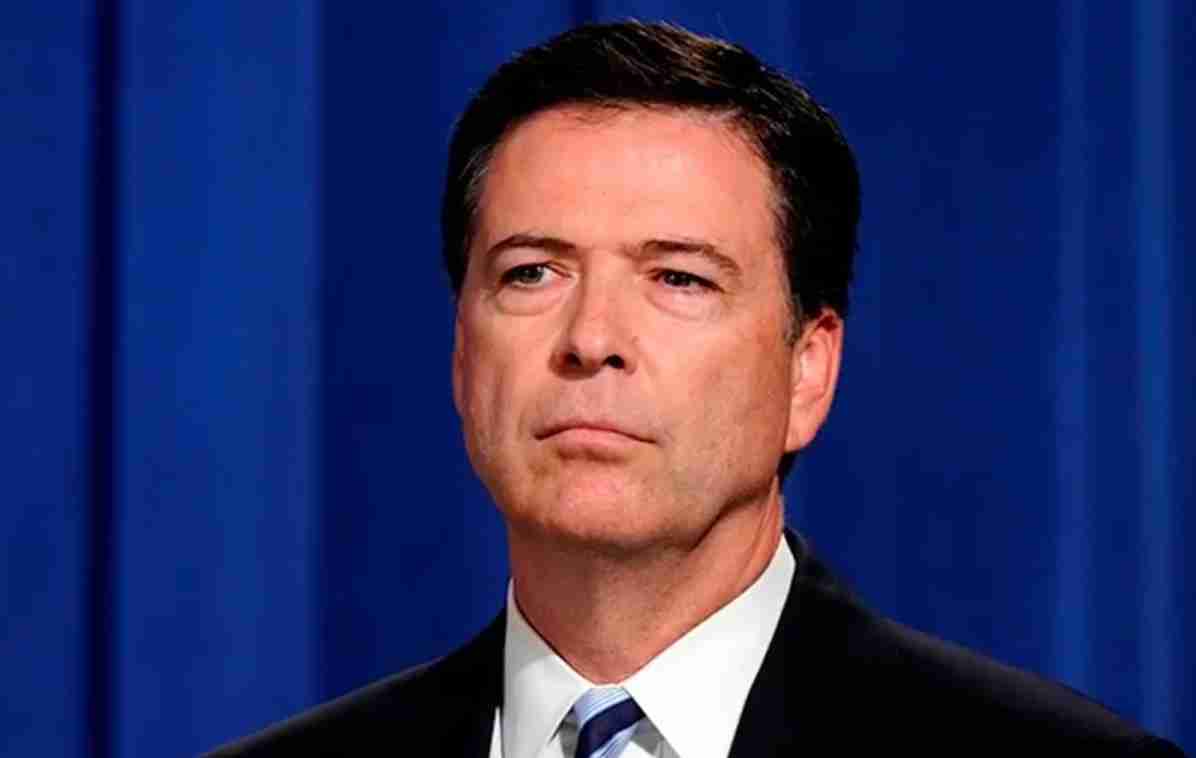
James Comey Indicted on Federal Charges, Accused of Obstruction and Lying About Anonymous Source
Former FBI Director James Comey has been indicted on two federal counts — obstruction of a congressional investigation and making a false statement — tied to his handling of agency disclosures and an alleged unauthorized anonymous source during his tenure.
Key takeaways
- Two federal counts: Comey is charged with obstruction of a congressional investigation and making a false statement to investigators.
- Allegations concern: Whether he authorized an FBI employee to act as an anonymous source and whether he misled Congress about that authorization.
- Presumption of innocence: These are allegations; Comey is presumed innocent until proven guilty in court.
- Primary reporting source: Source
Background: Comey, Crossfire Hurricane and the probe timeline
James Comey served as FBI director from 2013 to 2017 and led the bureau when it opened the Crossfire Hurricane counterintelligence investigation into possible ties between individuals associated with the 2016 Trump campaign and Russian officials. The probe became a major point of political dispute and public attention.
The new indictment links alleged actions to events during Comey’s tenure, including how information was handled and disclosed by FBI staff. Source
Legal details in the indictment
Prosecutors allege Comey obstructed a congressional investigation into disclosure of sensitive information by acting to prevent or impede lawmakers from obtaining accurate information about who had been authorized to speak to the media. The indictment also alleges he made a false statement denying that he had authorized an FBI employee to act as an anonymous source.
“The false statement charge centers on his alleged denial that he had authorized an FBI employee to act as an anonymous source,” according to public reporting.
Both counts are federal offenses that carry possible penalties if proven in court. Source
Reactions from the FBI and Department of Justice
Current FBI leaders framed the indictment as part of efforts to hold the agency accountable for past politicization and to restore public trust, while coverage notes the charges focus on specific alleged acts rather than broad institutional corruption.
Reporting also describes internal debate inside the Department of Justice about the strength of the evidence and the likelihood of conviction before filing the indictment. Source
Why the charges matter
The indictment brings legal scrutiny to conduct by a former FBI director and raises questions about decision-making inside the bureau and how those decisions were explained to Congress. For lawmakers and the public, it highlights tensions between intelligence work, public information, and congressional oversight.
The case also feeds into political debates about whether the FBI operated impartially during politically sensitive investigations. Source
Court process and what to expect next
An indictment starts the federal criminal process: arraignment, pretrial motions, and potentially trial. Comey will have opportunities to respond in court; prosecutors must prove evidence beyond a reasonable doubt. White-collar and obstruction cases often involve complex intent questions and can take months or years to resolve.
Expect: public court filings, arraignment dates, pretrial briefings, and statements from both sides. Source
Context on Crossfire Hurricane and public debate
Crossfire Hurricane remains controversial: supporters call it a necessary counterintelligence response to credible concerns about foreign interference, while critics describe parts as flawed or politically motivated. The new charges are likely to reopen scrutiny of decisions made during the FBI’s handling of 2016-related inquiries.
Observers should expect renewed debate and further examination of investigative decision-making. Source
Media and political responses
Public and political reactions are mixed: some welcome the charges as accountability for alleged misuse of power, while others caution against equating narrow criminal allegations with systemic wrongdoing. Many emphasize the importance of allowing the judicial process to proceed.
Coverage will likely track statements from commentators, politicians, and legal analysts as the case develops. Source
Implications for San Luis Obispo
Economic impact
Direct economic effects in San Luis Obispo County are likely limited: the indictment targets a former federal official in Washington, D.C., not local agencies. However, national developments can affect local newsrooms, legal services, and civic organizations covering political news; local media may see increased reader interest.
Political consequences
Local leaders and candidates may reference the indictment in debates about oversight, transparency, and public trust. In a region where many voters favor nonpartisan governance, the case could intensify calls for clear rules and accountability for public officials and potentially spur reform proposals regarding federal oversight.
Social effects
For residents engaged with national politics, the news could deepen civic participation and attendance at public forums. Community groups focusing on government reform or civil liberties may host discussions; the charges may also deepen polarization for some audiences.
Cultural relevance
San Luis Obispo values institutions that protect civil liberties and public trust. The case may prompt local conversations about balancing national security work with transparency; universities and civic groups may host experts to explain the legal and ethical issues involved.
Practical applications for residents
Residents interested in following the case should monitor reliable local and national outlets. Civic educators can use the case to teach about federal investigations and congressional oversight. Voters may weigh candidates’ positions on transparency and oversight in upcoming elections.
Reporting and source notes
The primary publicly cited source for the allegations and related reporting in this article is summarized reporting available at Source. This article describes charges as reported by prosecutors and media and reiterates the legal presumption that an indictment is an allegation and that defendants are presumed innocent until proven guilty.
What to watch next
Expect public court filings, arraignment dates, statements from Comey and his attorneys, and comments from the Department of Justice. Coverage will follow whether additional evidence is made public and whether other officials are implicated or asked to testify.
Local audiences in San Luis Obispo seeking updates should monitor trusted national and local news sources for verified reporting. Source
Note: The facts, context, and the https://www.youtube.com/watch?v=_zFoy5d-y3o reference used throughout are preserved from the available public reporting cited above.