New probe ties massive LA County hospice fraud to Van Nuys cluster as federal and state agencies step up enforcement
A CBS News probe found widespread Medicare hospice fraud across Los Angeles County — an estimated $105 million in overbilling in 2019 — concentrated in a Van Nuys Boulevard cluster as federal and state agencies intensify enforcement.
- Auditors and reporters estimate roughly $105 million in Medicare overbilling in 2019; more than 700 of ~1,800 county hospices trigger multiple state fraud red flags.
- Nearly 500 hospice agencies operate within a three-mile stretch of Van Nuys Boulevard; 137 list addresses directly on the boulevard and many share staff or offices.
- Federal and state actions are increasing: CMS payment holds, DOJ prosecutions, and California license revocations aim to shut down bad actors.
- Local communities — including San Luis Obispo — face potential economic, political and social ripple effects and are urged to verify providers and report concerns.
What investigators found
A wide-ranging CBS News project, supported by state audit records and federal reports, mapped hundreds of suspicious hospice and home health addresses across Los Angeles County. Investigators found an unusually dense concentration along Van Nuys Boulevard, where nearly 500 agencies operate in a three-mile radius and at least 137 list street addresses on the boulevard itself.
“In one Van Nuys building auditors counted 89 hospice companies registered to the same location,” the reporting notes, with regulators documenting shared key personnel and deficient operations in suites visited between 2021 and 2025.
Reporters described empty offices, piled mail, and listings tied to storefronts or non-existent addresses. Regulators and auditors flagged repeated patterns: multiple companies at a single address, the same managers or clinicians listed across firms, and facilities that do not match functioning health providers.
Federal and state response
Federal authorities have stepped up enforcement: CMS placed payment holds on suspicious operators in Los Angeles, revoked enrollments for noncompliant providers, and federal prosecutions have targeted sham hospice schemes. Federal data cited suspected hospice fraud of $198.1 million in FY2023 and more than $1.2 billion in improper home health payments in recent reports as CMS increased revocations.
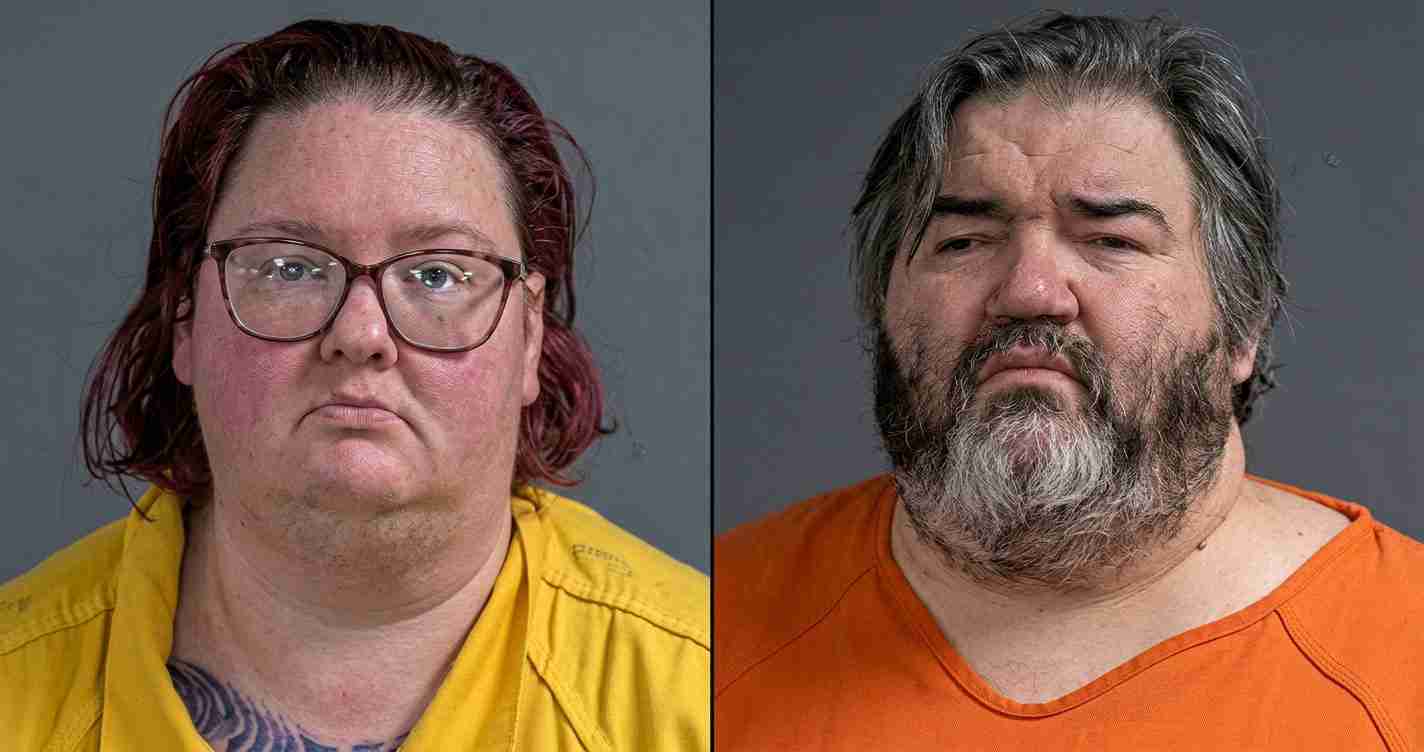
A notable criminal case resulted in sentences for four California residents tied to a $16 million sham hospice fraud and money laundering scheme that operated from 2019–2023 — the type of case federal prosecutors say they are pursuing more frequently.
Why Van Nuys?
Industry groups and investigators describe Van Nuys as a hub for quick-start, low-overhead hospice and home health companies that bill Medicare heavily. Many agencies flagged lack real clinical operations and instead share managers, mailing addresses or staff across multiple firms — red flags linked to fraud.
Sheila Clark, president and CEO of the California Hospice and Palliative Care Association, told reporters the Van Nuys density is striking: “You can’t throw a rock without hitting a hospice.”
Congressional scrutiny and audits
House committee leaders urged the HHS Inspector General to examine enrollment vulnerabilities that allow bad actors into Medicare, noting addresses with more than 100 hospices listed and pressing for an OIG audit in FY2026 focused on those weaknesses.
Industry context
There are about 7,000 hospice programs nationwide; California alone lists roughly 2,800 — far more than other large states (Florida ~91, New York ~39). Regulators warn about “license flipping,” where operators sell or move licenses to evade oversight, concentrating risk in hotspots.
Implications for San Luis Obispo, California
Economic impact
Statewide hospice billing fraud affects Medicare costs and could indirectly pressure local health budgets. If federal payments are lost or reclaimed, legitimate local providers may face tighter audits or slower reimbursements — straining smaller hospice programs in San Luis Obispo.
Political consequences
Local leaders may face constituent calls for stronger oversight and verification of providers. Officials could be urged to back state or federal steps tightening enrollment rules and ensuring patients receive care from legitimate, local providers.
Social effects
Fraudulently run hospices can leave families confused and patients at risk of poor care. Residents of San Luis Obispo should be vigilant: bad actors can operate across county lines and community groups play a role in protecting vulnerable patients.
Practical applications for residents
- Check provider legitimacy: Confirm hospices are licensed in California and enrolled with Medicare; use state and federal verification tools.
- Report concerns: Report suspicious addresses, empty offices, or questionable bills to local law enforcement, the county health department, or the state licensing agency.
- Ask questions: Request staff qualifications, office locations, and care coordination details — legitimate providers should provide verifiable records.
Reporting and sources
This article draws on the CBS News investigation, federal and state agency releases, congressional communications, Justice Department court records, and other reporting:
- CBS News investigation
- House Energy & Commerce post
- Hospice News coverage of CMS/DOJ actions
- U.S. Department of Justice press release on sentencing
- California Governor’s Office statement on license revocations
- CBS Mornings segment (video)
Federal and state officials say investigations and enforcement will continue as they try to shut down bad actors and protect patients. Communities across California — including San Luis Obispo — are urged to verify providers and report suspicious activity.