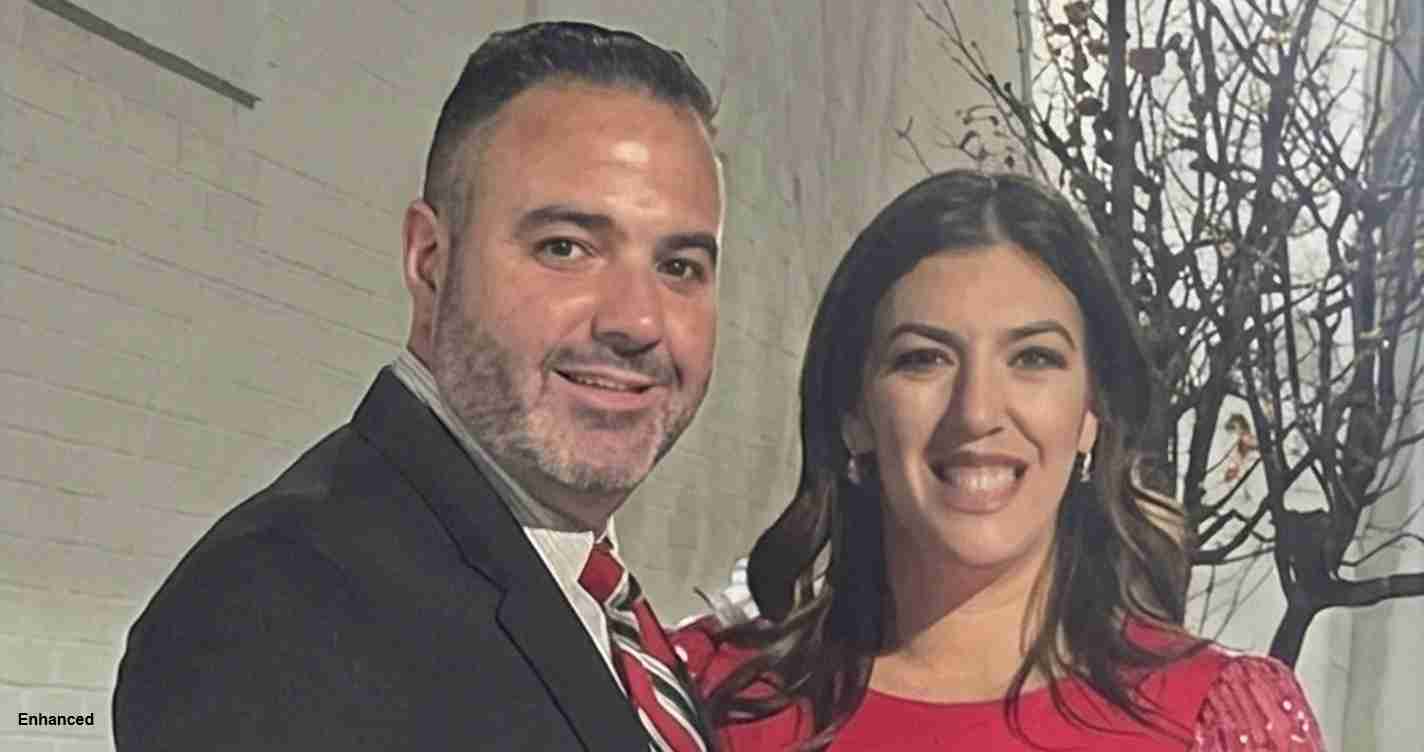
Marlboro school board threats: ‘MAGA mom’ Danielle Bellomo says she was targeted in ‘vile’ texts; two candidates withdraw
Marlboro school board member Danielle Bellomo says she was targeted with death threats and explicit texts reportedly tied to people connected to the local board, prompting a protective order, two candidates’ withdrawals and an active police investigation.
Key takeaways
- Threats and screenshots: Private group-chat screenshots with violent language and sexually explicit insults aimed at Bellomo circulated publicly.
- Election impact: Candidates Scott Semaya and Melissa Goldberg withdrew after the messages surfaced, reshaping the local race.
- Official response: Marlboro issued a temporary protective order for Bellomo while police investigate; no charges announced yet.
- Broader concern: The episode highlights how group messaging and social media can create real safety risks for local officials.
What happened: alleged texts, screenshots and how they emerged
What local reporting shows: Screenshots from a private group chat that reportedly included people connected to Marlboro school politics were shared widely on social media. Some screenshots displayed a group name using crude language — described in reporting as “ThisB****NeedsToDie” — and included messages that called for violence and posted sexually explicit insults.
Bellomo described the messages as “terrifying”, saying they raised concerns for her family’s safety and that her 12‑year‑old son may have seen the posts online. Local outlets first circulated the screenshots and accounts; reporting has been carried by sources including WPGTalkRadio and AOL.
Who is named and who withdrew
News reports have identified several people with ties to local campaigns or the board who were linked to the chats or related discussions. Key names reported include:
- Scott Semaya — a candidate who withdrew his bid after the texts resurfaced (WPGTalkRadio; Washington Stand).
- Melissa Goldberg — Semaya’s running mate, who also withdrew and said she would not accept a seat if elected (WPGTalkRadio).
- Other figures cited in reporting include Chad Hyett (BOE vice president), Mitesh Gandhi (spouse of Aditi Gandhi), Nirav Kadakia and Lenny Thor; some accounts link them to the chats or to discussions about the messages (Washington Stand).
Official response and the protective order
Marlboro officials acted publicly after the screenshots circulated: the township issued a temporary protective order for Bellomo and Mayor Jonathan Hornik condemned the language, calling it “completely unacceptable” while urging civility. Bellomo criticized Superintendent Michael Barrone for not invoking Policy 9202, which she said could offer additional protections for threatened board members (WPGTalkRadio).
As of the latest reporting, law enforcement is investigating the messages and how they were distributed, but no criminal charges have been filed to date (Volv Media).
Election fallout and public reaction
The resurfacing of the texts altered the local election landscape: Semaya and Goldberg withdrew prior to the November 2025 election, citing family concerns and saying they would not serve if elected (WPGTalkRadio; Washington Stand).
The episode drew condemnation across the political spectrum, with residents and leaders demanding equal enforcement of the law and a return to civility in school politics. Coverage and commentary also appeared on regional broadcasts (WJR Radio).
Context: why this matters beyond Marlboro
Although school boards are local and often unpaid civic roles, recent years have seen board meetings and elections become highly politicized. The Marlboro incident underscores how private group chats and social platforms can rapidly shift private messages into the public sphere — creating safety and transparency challenges for board members, staff and families (Washington Stand; AOL).
Implications for San Luis Obispo, California
Local leaders and residents in San Luis Obispo County may draw several lessons:
- Economic impact: Increased security or hearings can raise district costs and affect events, contractors and turnout.
- Political consequences: Toxic exchanges can prompt candidate withdrawals and deter future civic participation.
- Social effects: Threats chill volunteerism and parent engagement — a bipartisan concern for community trust.
- Cultural relevance: Community norms for respectful discourse and transparent processes can be reinforced through PTAs and district outreach.
Practical applications for residents and boards here
Recommended steps for boards and residents to reduce risk and strengthen response:
- Review and update safety and communication policies — consider rules similar to Policy 9202 for threatened members.
- Document and preserve threatening messages; retain screenshots and contact law enforcement promptly.
- Host moderated forums or pre‑submitted question formats to reduce incendiary open‑mic exchanges.
- Provide pre‑election training on social media risks and the legal distinctions between protected speech and criminal threats.
Where to follow updates
This story remains under investigation. Local reporting and official school board statements are the best places for updates. Key published accounts referenced in this report include WPGTalkRadio, Washington Stand, AOL, WJR Radio, and Volv Media.
Sources: Times Media Service reporting compiled with local outlets and public statements cited above.