Federal judge bars ICE, other agents from detaining or tear-gassing peaceful protesters in Minneapolis
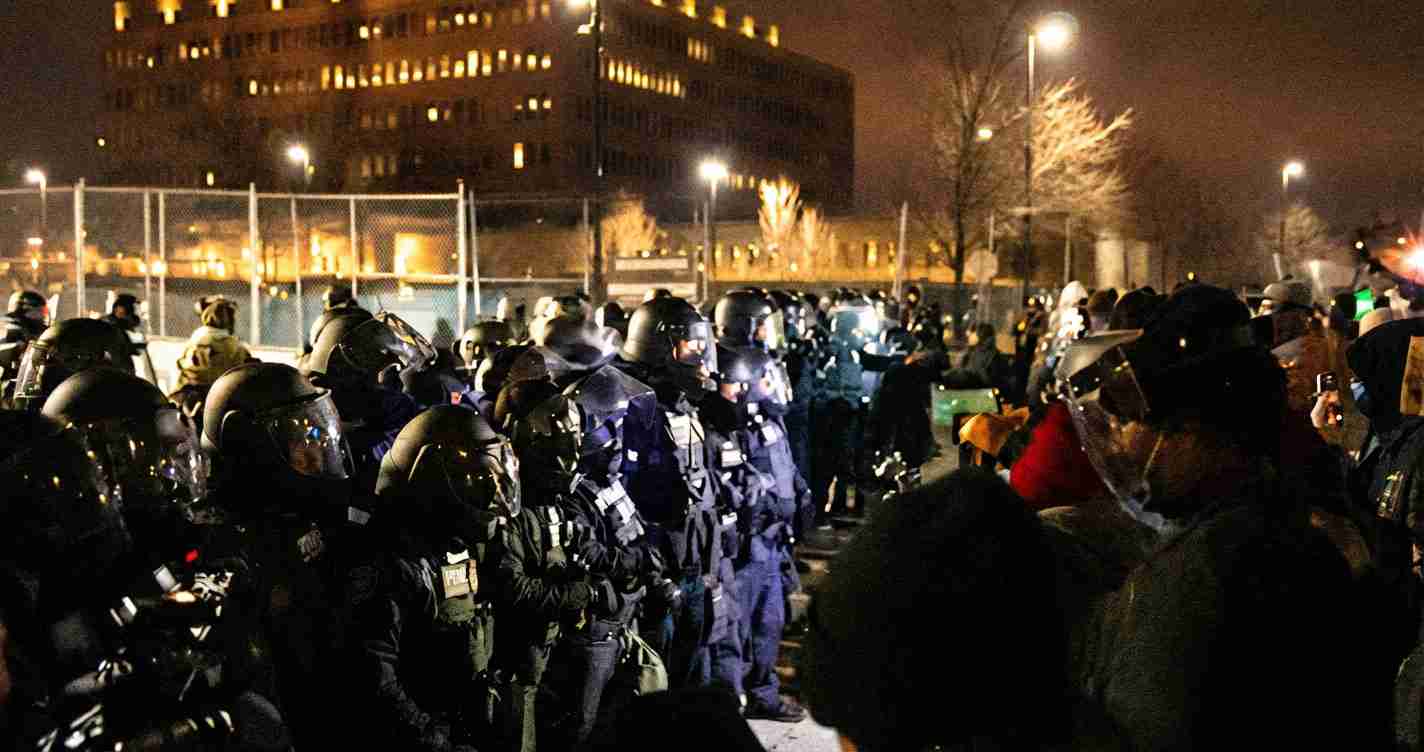
U.S. District Judge Kate Menendez on Jan. 16, 2026, issued an injunction prohibiting ICE and other federal agents in Minneapolis from arresting, detaining, or deploying tear gas and similar crowd‑control munitions against peaceful protesters or observers without reasonable suspicion.
Key takeaways
- 83-page injunction: Judge Menendez issued a detailed order Jan. 16, 2026, limiting federal-agent actions during Operation Metro Surge — see RNZ and CBS News.
- Protections for observers: The order bars arrests, detentions, ordering people from vehicles, or use of tear gas/pepper spray against peaceful protesters and observers unless officers have reasonable suspicion or probable cause (RNZ).
- Geographic and temporal scope: The injunction applies only to federal officers operating in the Twin Cities while the immigration surge is underway and does not impose statewide limits (RNZ).
A closer look at the injunction
Judge Kate Menendez, a Biden nominee to the federal bench in 2021, authored an 83‑page order concluding several plaintiffs were likely to succeed on their First and Fourth Amendment claims. She characterized some federal actions as “disturbing” and found the government failed to justify force against people who were peacefully observing or protesting immigration enforcement. The opinion notes novel issues where protesters were mobile and frequently moved to observe ICE operations (CBS News).
Under the injunction, federal agents — including U.S. Immigration and Customs Enforcement (ICE) and Border Patrol — must have probable cause or at least reasonable articulable suspicion that a crime has been committed or that someone is interfering with officers before stopping or detaining individuals. The order also forbids detaining or ordering drivers and passengers from vehicles without such suspicion and specifically limits use of tear gas, pepper spray, and other crowd‑control munitions against peaceful protesters and observers (RNZ).
“Where protesters are peaceful, the Constitution limits federal enforcement tactics,” Judge Menendez wrote, weighing the parties’ competing claims and evidence.
Why the suit was filed
The litigation began with a complaint filed Dec. 17, 2025, by six protesters and observers who alleged repeated, unwarranted detentions and use of force by federal officers. Plaintiffs recounted incidents of pepper-spray deployment, firearms pointed at observers, threats to drivers, and follow‑ups at homes. They argued such conduct chilled speech and violated protections against unreasonable searches and seizures; Judge Menendez agreed plaintiffs were likely to show a pattern of unconstitutional conduct (CBS News).
Operation Metro Surge and the Minneapolis context
Operation Metro Surge is reported as the largest deployment of ICE and Border Patrol agents in U.S. history, with nearly 3,000 agents sent to the Minneapolis–St. Paul area. The surge, which began before the current administration, focused on immigration enforcement and alleged fraud investigations, particularly within the Somali community, and has prompted sustained protests and community monitoring of ICE activity (RNZ; Politico).
Tensions spiked after the Jan. 7 fatal shooting of 37‑year‑old Renee Good, who was monitoring ICE activity. Federal officials described her conduct as “stalking and impeding” and labeled it domestic terrorism, while local leaders and activists pointed to video that appears to show Good driving away and questioned the use of lethal force. The shooting intensified protests and calls for withdrawal of federal agents (RNZ; Politico).
Government responses and next steps
Department of Homeland Security officials defended agents’ actions, with DHS Assistant Secretary Tricia McLaughlin saying the agency uses “appropriate and constitutional measures” and warning rioting and obstruction may be federal crimes. Government attorneys argued in court that agents require tools to address “violent, obstructive, dangerous, and often criminal behavior” (CBS News).
Separately, the Justice Department opened a probe examining whether Minnesota Governor Tim Walz and Minneapolis Mayor Jacob Frey obstructed federal officers, issuing grand jury subpoenas. Both officials called the investigation politically motivated and an attempt to intimidate local leaders (Politico).
Appeal possibility: The federal government may appeal Judge Menendez’s order. The injunction’s scope is limited to the Twin Cities while Operation Metro Surge continues; it does not restrain other federal operations or impose statewide restrictions (RNZ).
What plaintiffs and critics say
Plaintiffs and civil‑rights advocates hailed the injunction as protection of basic liberties, emphasizing that monitoring and protesting immigration enforcement is protected speech and that federal agents must not use force to chill that activity. Attorneys argued the order will reduce the risk of dangerous escalations at demonstrations (CBS News).
Government lawyers countered that officers must retain the ability to respond to criminal acts and protect themselves and the public, citing reported incidents of assault, vandalism, and threats against officers. Judge Menendez weighed both positions but concluded constitutional limits apply where protesters remain peaceful (CBS News).
Implications for San Luis Obispo, California
- Legal precedent: The Minneapolis ruling could be cited in other jurisdictions, including California, as persuasive authority in cases about peaceful monitoring of federal agents and limits on force (RNZ).
- Local coordination: San Luis Obispo officials may review protocols with federal partners and clarify rules for protests near federal operations to reduce conflicts and confusion (CBS News).
- Community guidance: Activists and residents who monitor immigration enforcement should note their rights: stay on public property, avoid blocking entrances or officers, carry ID, consider filming interactions, remain peaceful, and seek legal counsel if confronted (CBS News).
- Political consequences: The case underscores how federal enforcement can become a local political flashpoint and may increase pressure on local leaders over cooperation with federal agencies (Politico).
Reporting from Minneapolis and original sources
This report draws on court filings and reporting from Times Media Service and national outlets. Full reporting and background are available at: RNZ, CBS News, and Politico.
Reporting from: Minneapolis and original court documents; Times Media Service coverage and national reporting cited above.