Trump Kennedy Center closure: Trump orders July 4 shutdown for two-year Kennedy Center renovation, prompting arts community alarm
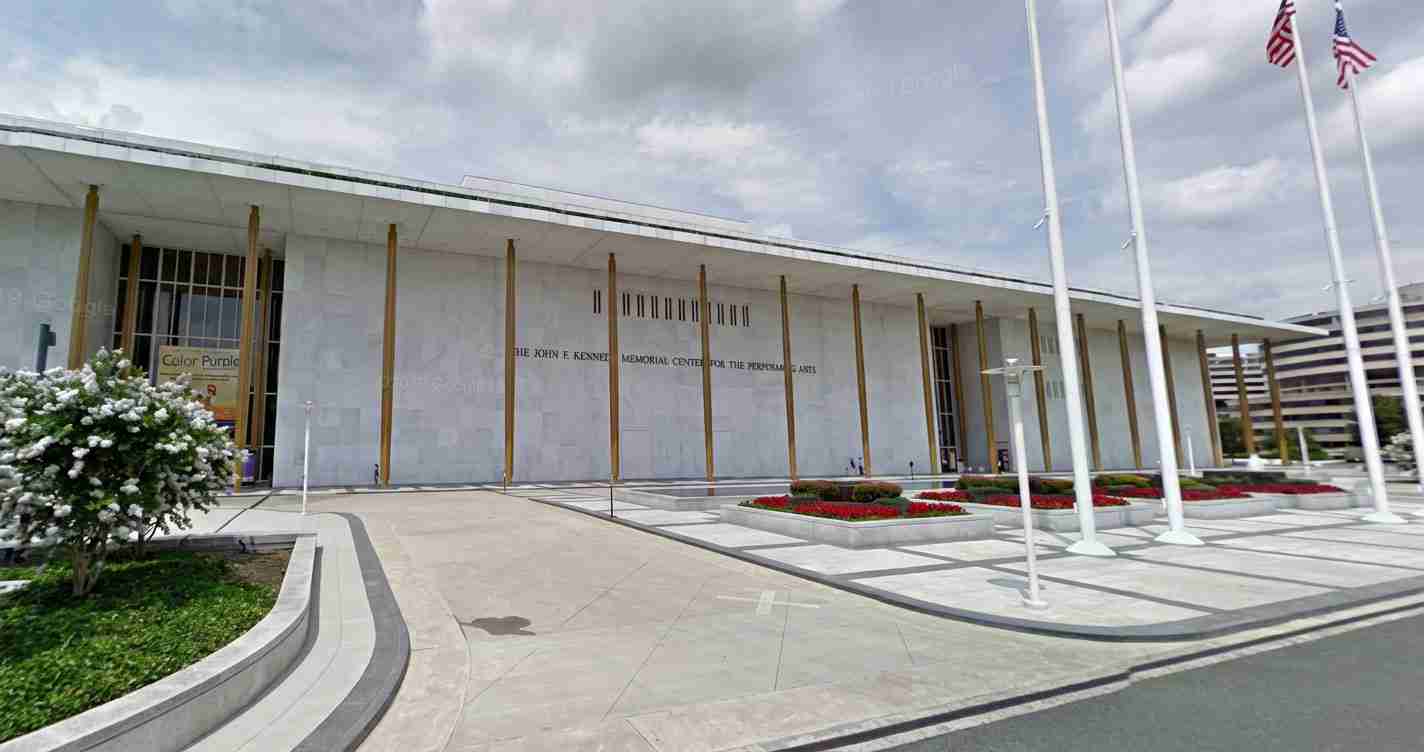
President Donald Trump announced the Trump Kennedy Center will close on July 4, 2026, for a two-year renovation to create a “spectacular entertainment complex,” triggering alarm among the arts community and uncertainty for the National Symphony Orchestra.
Key takeaways
- Full closure: The venue will close July 4, 2026, for about two years for renovations (Politico).
- Announcement and review: Trump said the plan followed a yearlong review with contractors and arts advisers and announced it on Truth Social (Politico).
- Funding unclear: Trump said funds are “fully in place” but gave no cost estimate or breakdown of federal vs. private money (Washington Classical Review).
- Resident companies at risk: The National Symphony Orchestra and others face displacement, canceled appearances and uncertain seasons (Washington Classical Review).
What Trump said and what remains unclear
In a public post on Truth Social, President Trump said a simultaneous closure would allow crews to work faster and deliver higher-quality results than renovations staged around performances. He described plans for a “new and spectacular entertainment complex” and promised a grand reopening that would “surpass previous versions.”
Trump said the decision followed a yearlong review with contractors, arts experts and advisers. But he did not disclose a total cost, a funding breakdown, or whether Congress or federal oversight would be involved. News organizations note the board must approve the work; Trump chairs the reconfigured board he installed in 2025, which observers say makes approval likely a formality (Politico).
Impact on resident companies and performers
The Kennedy Center houses several resident companies, including the National Symphony Orchestra and Fortas Chamber Music, and hosts hundreds of performances annually. The sudden closure raises immediate questions about rehearsal space, ticket revenue, contracted seasons and staff pay. Some artists had already canceled appearances after leadership changes and renaming, and the shutdown compounds scheduling and financial uncertainty (Washington Classical Review).
Performers and managers have publicly expressed alarm; several planned shows were pulled or moved this year amid boycotts and falling ticket sales. One prominent composer withdrew a major premiere, and advocacy groups staged protests after the building was renamed in December 2025 (Politico).
Backlash, context and political fallout
The move occurs amid heated political debate. Critics call the closure impulsive and suggest it may mask financial shortfalls caused by boycotts and lost revenue. Supporters argue the overhaul will modernize an aging facility and attract new audiences. The renaming from the John F. Kennedy Center to the Trump Kennedy Center and the 2025 leadership changes have already created deep divisions across the arts world and among lawmakers (Politico).
Some arts advocates warn the closure could erode the center’s national role as a federal cultural institution used for state ceremonies, touring shows and community programming. A two-year absence could ripple through touring schedules and cultural calendars nationwide (Washington Classical Review).
Questions about financing and oversight
Trump claimed funds are “fully in place,” but provided no cost estimate or explanation whether funding will be federal, private, or a hybrid. Historically, the Kennedy Center’s funding blends federal support, private donations and endowment revenue; which mix will pay for this project remains unspecified. That absence of detail raises oversight concerns: if federal money is used, congressional oversight and public reporting would be expected; if private, donor and contractor scrutiny will follow (Politico; Washington Classical Review).
Logistics, timeline and practical challenges
Shutting a major performing arts center for two years is logistically complex. The center’s hundreds of annual events, rehearsal and storage needs, and administrative functions must be relocated or paused. Contracts, insurance, alternative venues and technical preservation work present practical hurdles, and many local venues are already booked. Without released architectural plans, engineers’ reports or environmental reviews, it is unclear whether the project will gut and rebuild portions of the structure or pursue staged renovations (Washington Classical Review).
Official lines and a direct quote
“Closing the center all at once will let crews finish renovations faster and at a higher quality than working around ongoing performances,” Trump wrote, calling for a “new and spectacular entertainment complex” and promising a reopening to “surpass previous versions.”
Sources and reporting
This story draws on reporting and public statements from multiple outlets and public posts. Key initial accounts came from Politico and the Washington Classical Review. A recording of Trump’s remarks is available on video.
Implications for San Luis Obispo
Economic impact
San Luis Obispo’s arts and tourism sectors could see indirect effects. Touring productions displaced from Washington may seek alternative venues, potentially creating booking opportunities for local theaters such as the Fremont Theatre and the PAC and boosting hotel and dining revenue. Conversely, some tours may be compressed or canceled, limiting opportunities for local presenters.
Political consequences
Local leaders and arts funders in San Luis Obispo will likely monitor federal oversight closely. Use of federal funds without clear transparency could prompt public scrutiny and local commentary and may surface in state and local races debating arts funding priorities.
Social effects
Residents who travel to Washington or follow national arts coverage may feel the loss of a national stage. Local arts groups that rely on touring artists could lose collaborations temporarily, while technicians and artists may face gaps or new opportunities depending on rerouting decisions.
Cultural relevance
The Kennedy Center is a national symbol of performing arts. Its abrupt closure and renaming touch on debates about heritage and who shapes national culture. In a region that values public events and arts education, conversations about stewardship and resilience of local institutions are likely to arise.
Practical applications for residents
Arts managers and programmers should monitor tour announcements and communicate with national presenters. Civic planners and tourism boards should prepare to field inquiries from touring companies. Individual residents planning cultural travel should check schedules and refund policies in case shows are rerouted or canceled.
Reporting note
As of early February 2, 2026, the Kennedy Center had not issued a formal public response with detailed plans, and resident companies had not released comprehensive relocation or postponement schedules. This article will be updated as Kennedy Center officials, resident companies, or federal authorities provide more information (Politico; Washington Classical Review; video).