Judicial Scrutiny Raises Questions About Political Influence in Comey Prosecution
Judges are pressing for discovery into alleged presidential influence in the prosecution of former FBI Director James Comey, where unusual staffing changes and public pressure may undermine the case and prompt motions to dismiss soon.
Key takeaways
- Judicial pressure: Courts are considering broad discovery into motive, which could expose White House communications and internal doubts about the case.
- Presidential involvement: Public pressure from the president is cited as central to potential selective or vindictive prosecution claims.
- Prosecutorial turnover: A career prosecutor who advised against charges was replaced by an attorney without a federal prosecution track record.
- Charges at issue: Comey faces counts for false statements to Congress and obstruction; a grand jury declined an additional charge.
Presidential pressure and the political backdrop
Judges and legal analysts have flagged President Trump’s public comments and direct pressure as potentially central to the defense’s strategy. Court observers note those statements can be admissible and may support a claim that the prosecution grew from political animus rather than neutral law enforcement.
Key reporting highlights these concerns: judges asking for broader probing of motive and decision-making (broader discovery into the motives behind the prosecution), and watchdog analysis warning that White House pressure risks creating “subservient prosecutors” (publicly pressured officials to bring charges).
“Pressure from political actors can transform a prosecutorial decision from an independent judgment into a politically driven act,” a legal observer summarized, underscoring why motive discovery matters.
Prosecutorial changes and internal resistance
Reporting indicates a senior career prosecutor, Erik Siebert, concluded the evidence was insufficient and advised against charges. After he declined to move forward, leadership replaced him with Lindsey Halligan, described in reporting as an attorney with little or no federal prosecution experience—an action that has raised alarm about the integrity of charging decisions (replaced by an attorney with little or no prosecutorial experience).
CBS News reported career prosecutors prepared a formal declination memo explaining why charges should not be filed, and that memo was effectively overruled after outside pressure—an element defense attorneys cite to argue the charges were not grounded in ordinary prosecutorial judgment (declination memo and internal resistance).
Legal theories the defense may use
Comey’s counsel is expected to seek dismissal on grounds of selective and vindictive prosecution. Those defenses focus on motive and require courts to consider internal communications and decision-making — precisely the materials judges are weighing for discovery (analysis on subservient prosecutors; judges’ discovery considerations).
Selective-prosecution claims assert the defendant was singled out for an impermissible reason, such as political view. Vindictive-prosecution claims contend prosecutors retaliated for protected activity. Both claims shift focus from the defendant’s acts to prosecutorial motive, making discovery into communications between the White House and prosecutors potentially decisive.
Discovery and judicial pressure
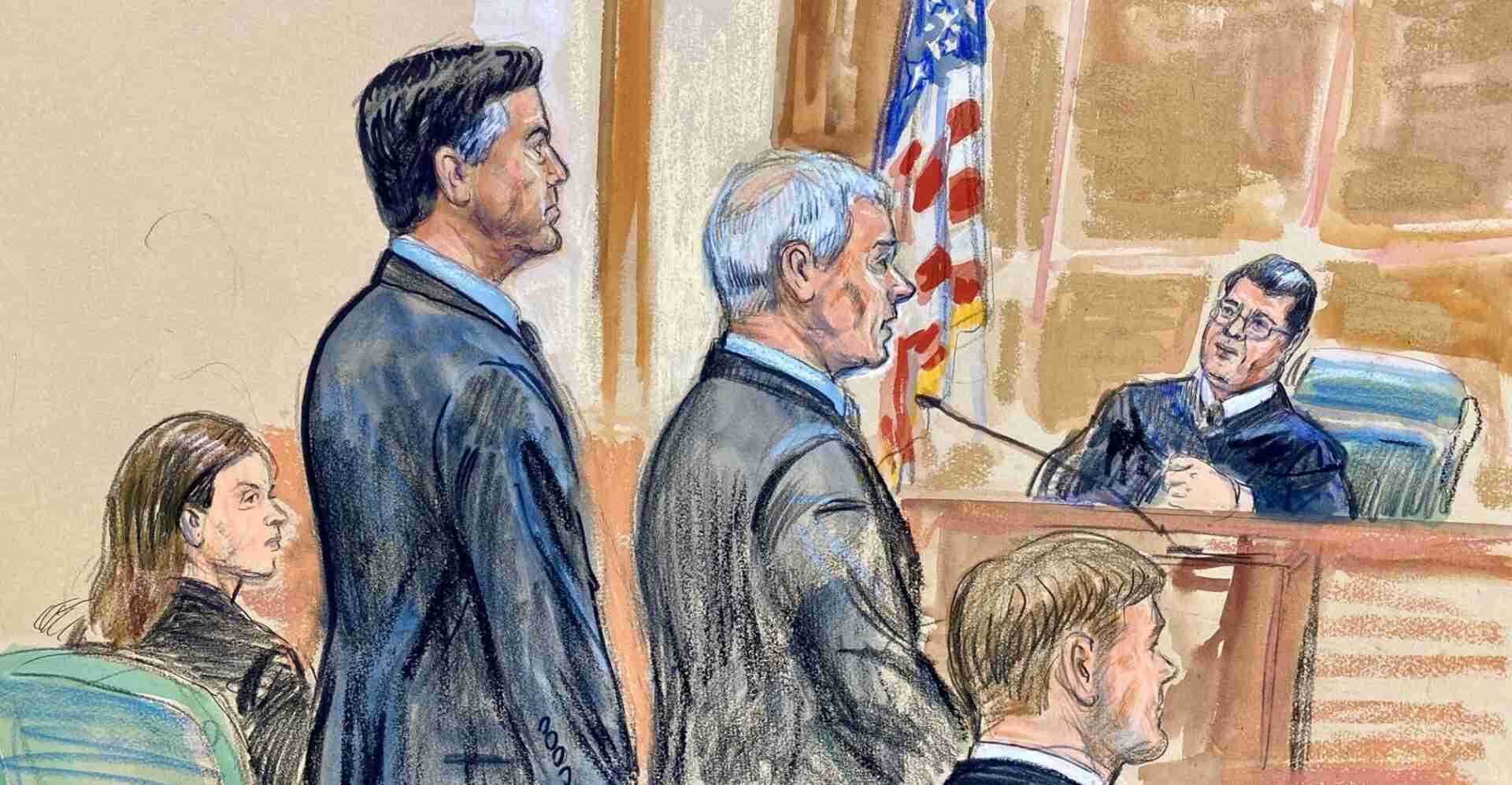
Judges are reportedly considering orders that would let the defense examine government files for evidence of political motive: emails, messages, internal memos, and White House–prosecutor communications. Legal observers warn that such discovery could reveal internal doubts and documentation of pressure, potentially weakening the prosecution’s narrative (judicial scrutiny and discovery).
If courts authorize expansive discovery, the prosecution risks exposing material that undermines the case’s origins. Judges must balance prosecutors’ traditional latitude with protections against politically motivated prosecutions that threaten the rule of law (Brennan Center warnings on prosecutorial independence).
Burden on the government and potential outcomes
If the matter proceeds to trial, the government must prove each element beyond a reasonable doubt. Yet a judge can dismiss charges pretrial if evidence shows a constitutional defect in how the prosecution began. Courts historically defer to prosecutorial decisions, but they also guard against prosecutions that appear politically driven.
Observers note that discovery revealing political motives could lead to dismissal or severely limit the government’s ability to present its case—an outcome commentators have labeled Comey case jeopardy in legal discussions (risk the charges might collapse).
Background on the indictment
Comey was indicted on two counts: making false statements to Congress and obstruction of a congressional proceeding tied to his 2020 Senate testimony about authorizing leaks. Reporting indicates a grand jury declined an additional charge, a detail defense counsel may use to question the case’s initial strength (grand jury declined an additional charge; additional reporting).
Implications for San Luis Obispo, California
Though a federal matter out of Alexandria, the case reverberates in communities like San Luis Obispo. Local legal markets may see increased demand for election-law, government-ethics, and criminal-defense work as residents seek clarity on accountability and prosecutorial norms (economic and civic impacts).
Political consequences: Moderately minded voters may press local candidates for reforms to protect prosecutorial independence. Social effects: Community groups and campuses could host forums connecting national developments to local governance. Practical steps: Expect more local coverage, public meetings, and inquiries about policies that separate politics from prosecution.
Conclusion
The unfolding scrutiny in the Comey case centers on whether presidential statements and personnel changes created a prosecution driven by politics rather than law. Judges’ decisions on discovery and motions will be pivotal — potentially reshaping norms about executive influence and prosecutorial independence from Washington to local communities like San Luis Obispo.
Reporting and analysis referenced above provide the factual record and legal perspectives driving the dispute: The Daily Beast coverage, Brennan Center analysis, and CBS News reporting.