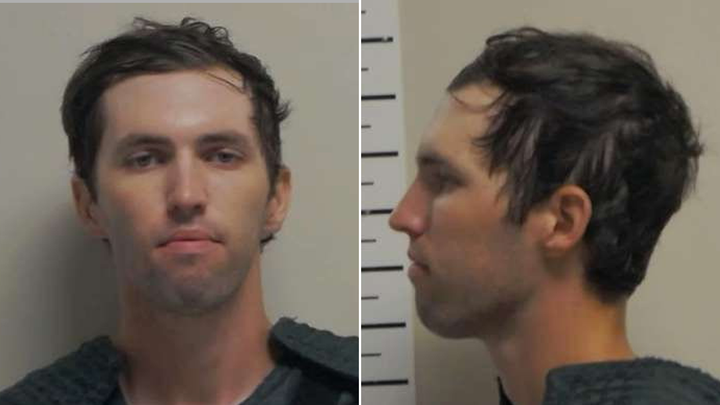
Accused Charlie Kirk Assassin Tyler Robinson Makes First In-Person Court Appearance as Media Pushes to Unseal Proceedings
Tyler James Robinson, accused in the assassination of Charlie Kirk at Utah Valley University, made his first in-person court appearance in Provo, Utah. Thursday’s hearing centered on media access, a disputed gag order and disputes over sealed proceedings.
Key takeaways
- First in-person appearance: Tyler James Robinson, 22, appeared in Provo on Nov. 11, 2025, marking his first live court appearance after earlier virtual or audio-only hearings.
- Access dispute: A coalition of media organizations and Charlie Kirk’s widow pressed to unseal portions of the case while the defense sought limits and a broad gag order.
- Serious charges: Robinson faces multiple felonies, including aggravated murder; prosecutors have indicated they will seek the death penalty.
- Investigation details: Authorities cite physical and digital evidence—including alleged DNA matches and private messages—tying Robinson to the Sept. 10 shooting.
The hearing: what happened Thursday
At the Nov. 11 hearing in Provo, Tyler Robinson appeared in person for the first time since his arrest. Court observers described him as calm, wearing a button-up shirt and tie, and remaining handcuffed with minimal movement as judges heard arguments focused largely on procedural issues rather than evidence.
Much of the public record from the hearing concerned access and publicity. A coalition of reporters urged the court to allow journalists into parts of the case that have been sealed. Defense lawyers countered with requests to limit access and proposed a broad gag order, citing safety and fair-trial concerns. The judge heard arguments but did not resolve all outstanding matters at Thursday’s appearance.
Charges and prosecution plans
Robinson has been charged with seven felony counts tied to the Sept. 10 shooting, including aggravated murder, felony discharge of a firearm causing serious injury, two counts of obstruction of justice, two counts of witness tampering, and committing violence in the presence of a child. Prosecutors have announced they will seek the death penalty, citing an alleged political motive and the presence of children as aggravating factors.
Legal experts note that a capital prosecution triggers additional pretrial procedures, filings and possible sealed records. Those procedural fights—over gag orders, access and the scope of sealed materials—can significantly shape the timeline and public understanding long before trial evidence is presented openly.
Evidence and the investigation so far
Public summaries state that investigators located physical and digital evidence they say links Robinson to the shooting. Authorities reported DNA matches on a towel found wrapped around a rifle and on a screwdriver located on the roof where the shot was allegedly fired. Prosecutors also referenced private messages from Robinson to a roommate that described retrieving a rifle and leaving it wrapped in a towel.
Law enforcement accounts point to a Discord account tied to Robinson that was suspended after allegedly incriminating posts, and reports that members of an online group implied a confession. Robinson’s roommate cooperated with investigators and has been quoted as shocked and “aghast” at the events.
Authorities say Robinson surrendered to police on Sept. 11 after a two-day manhunt; his parents recognized him from news images and arranged custody through a retired detective. Governor Spencer Cox later confirmed Robinson as the sole suspect following the search.
Why media access is contested
Reporters and media organizations argue that public access is a core safeguard of the justice system, and that sealing large portions of the record or issuing broad gag orders can impede public oversight of law enforcement and the courts. Defense counsel urged restraint, saying intense public attention could endanger safety, taint potential jurors, and justify protective measures.
Judges must balance the public’s right to know with the defendant’s right to a fair trial and witness safety, often via in-camera review and narrowly tailored sealing orders.
Family and public reactions
The assassination of Charlie Kirk—founder of Turning Point USA and a noted conservative commentator—prompted national outcry. Kirk was fatally shot while speaking at a campus event. His widow has publicly expressed concern about growing secrecy and joined calls for transparency in parts of the case.
Public safety officials and political leaders reacted quickly after the attack, renewing debates about security at public events and measures to protect speakers, students and families. The incident has also intensified discussions about campus safety and the protection of free speech.
Legal next steps and timeline
Following the Nov. 11 appearance, the court will address outstanding motions about gag orders and access to sealed filings. Pretrial work in a capital case can span months or longer. Expect additional hearings where judges will decide which materials remain sealed and which portions of the record will be open to reporters and the public. If prosecutors proceed with capital charges, further procedural steps and expert disclosures will follow.
Implications for San Luis Obispo, California
Economic and civic effects: As a university town, San Luis Obispo may see event organizers, campuses and city officials review security plans for public lectures and conferences. Private venues and student groups could face increased costs from enhanced screening, off-duty officer staffing or other protective measures.
Political and public discourse: The case may reverberate in politically moderate communities, prompting calls for balanced debate about campus safety and free speech and driving discussion at city council meetings and university forums.
Social and cultural effects: Close-knit communities could feel heightened sensitivity around campus events. Families and students may press organizers for clearer safety protocols and messaging.
Practical impacts: Residents may encounter increased security at public events, and local media may closely track developments while navigating court limits on reporting.
Legal and journalistic lessons: The dispute over sealed proceedings can serve as a reference for local journalists and attorneys when negotiating access to court records and arguing about when sealing is appropriate versus when public interest requires openness.
Sources and reporting notes
Reporting for this article drew from local coverage of the Nov. 11 hearing and public summaries of the investigation. Primary sources include KUER (Dec. 11, 2025); a video report on YouTube; and a public summary of the incident on Wikipedia.
Key documents and reporting cited above preserve the factual record about the Nov. 11 appearance, the media-access dispute, the charges and the investigative details as reported by those sources.
Note: The Nov. 11 court appearance was the most significant in-court step to date in the Tyler Robinson prosecution; ongoing legal fights over gag orders and sealed records will determine how the public and the press learn about the case as it proceeds.