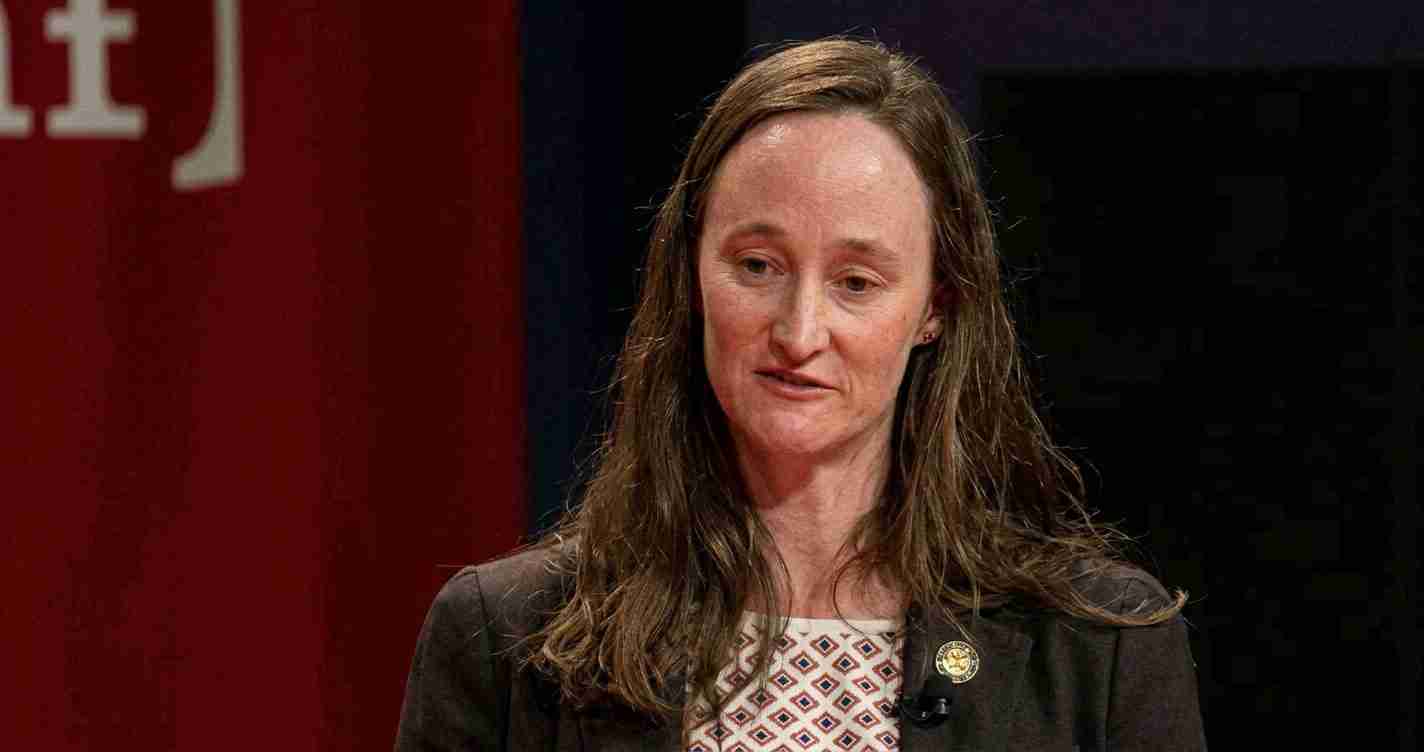
CBS editor Bari Weiss delays “Inside CECOT” 60 Minutes segment amid questions over sourcing and administration views
CBS News editor‑in‑chief Bari Weiss delayed a 60 Minutes segment on Venezuelan deportees to El Salvador’s CECOT prison, citing the need for more reporting and administration perspectives; the episode later aired accidentally in Canada and was leaked online.
- Editorial hold: Weiss ordered the broadcast delayed for additional reporting and context, per Axios.
- Substance: The report examines Venezuelan deportees and questions the use of the Alien Enemies Act, with interviews and on‑site footage.
- Internal dispute: Producers and correspondent Sharyn Alfonsi pushed back, arguing the administration’s refusal to be on camera is itself reporting evidence.
- Leak: Global TV in Canada mistakenly published the episode and it spread online, including uploads to video platforms.
What was in the segment
Reporter Sharyn Alfonsi framed the piece around Venezuelan nationals deported under authority cited by the Trump administration to El Salvador’s maximum‑security CECOT prison. The segment includes interviews with deportees and footage suggesting harsh detention conditions, and it raises legal questions about the administration’s reliance on the Alien Enemies Act — reporting detailed by Axios.
Why the segment was delayed
Bari Weiss told senior 60 Minutes producers she wanted the piece delayed so it would include:
- Stronger on‑the‑record administration perspectives (beyond a short soundbite).
- Clearer legal context explaining the Alien Enemies Act and competing interpretations of presidential authority.
- Additional attempts to secure interviews with key former officials and clarifications from DHS.
Those requests came from a memo and conversations reported by Axios, which described Weiss pressing for fuller responses from figures such as Tom Homan and Stephen Miller and stronger departmental clarifications.
Tensions inside CBS
The decision prompted notable internal pushback. Producers and the correspondent disputed Weiss’s assessment of what was missing. In an email, Alfonsi and team characterized efforts to get on‑camera responses as exhausted; they argued that the administration’s silence or refusal to participate was part of the story itself.
“We sought interviews from the White House and State Department; non‑participation is itself reporting,” the correspondent and producers argued in internal communications reported by Axios.
Outside observers and some staff framed the move as having possible political overtones. Coverage from multiple outlets noted the uproar and linked the debate to broader corporate sensitivities at Paramount during merger and takeover activity (Axios; Daily Beast).
What was — and was not — included from the administration
Reporting indicates at least two departments provided written responses to 60 Minutes’ questions, but those comments were not included in the draft Weiss reviewed. Notably, major accounts do not document any White House request asking the program to “amplify stories of Angel Parents.” That specific phrase does not appear in the public reporting available so far and should be treated as unverified unless corroborated by an on‑the‑record source (Axios).
The accidental Canadian airing and online leak
Global TV, which holds Canadian rights to 60 Minutes, mistakenly published the episode on its streaming platform. The episode was then copied and uploaded to video platforms; CBS attempted to limit distribution after the leak but clips and the full episode circulated widely (Video of leaked episode; Daily Beast).
Implications for San Luis Obispo, California
Economic: Local media and marketing sectors in San Luis Obispo are unlikely to see direct economic effects, but national controversies can shift local news consumption and advertising dynamics.
Political: Immigration and national‑security themes may prompt local debate; officials could be asked about media transparency and journalistic standards.
Social and cultural: Coverage of Venezuelan deportations and prison conditions may spur community conversations, advocacy, and outreach by immigrant‑rights organizations and local nonprofits.
Practical steps for residents and local outlets:
- Local newsrooms can fact‑check national claims and explain legal complexities like the Alien Enemies Act.
- Community groups can host forums, legal clinics, and mental‑health outreach for affected families.
- Publishers may review editorial transparency and explain how sources and withheld material are handled to maintain trust.