Iran ramps up AI-driven narratives of victory, former CISA official warns of subtle “AI manipulated content”
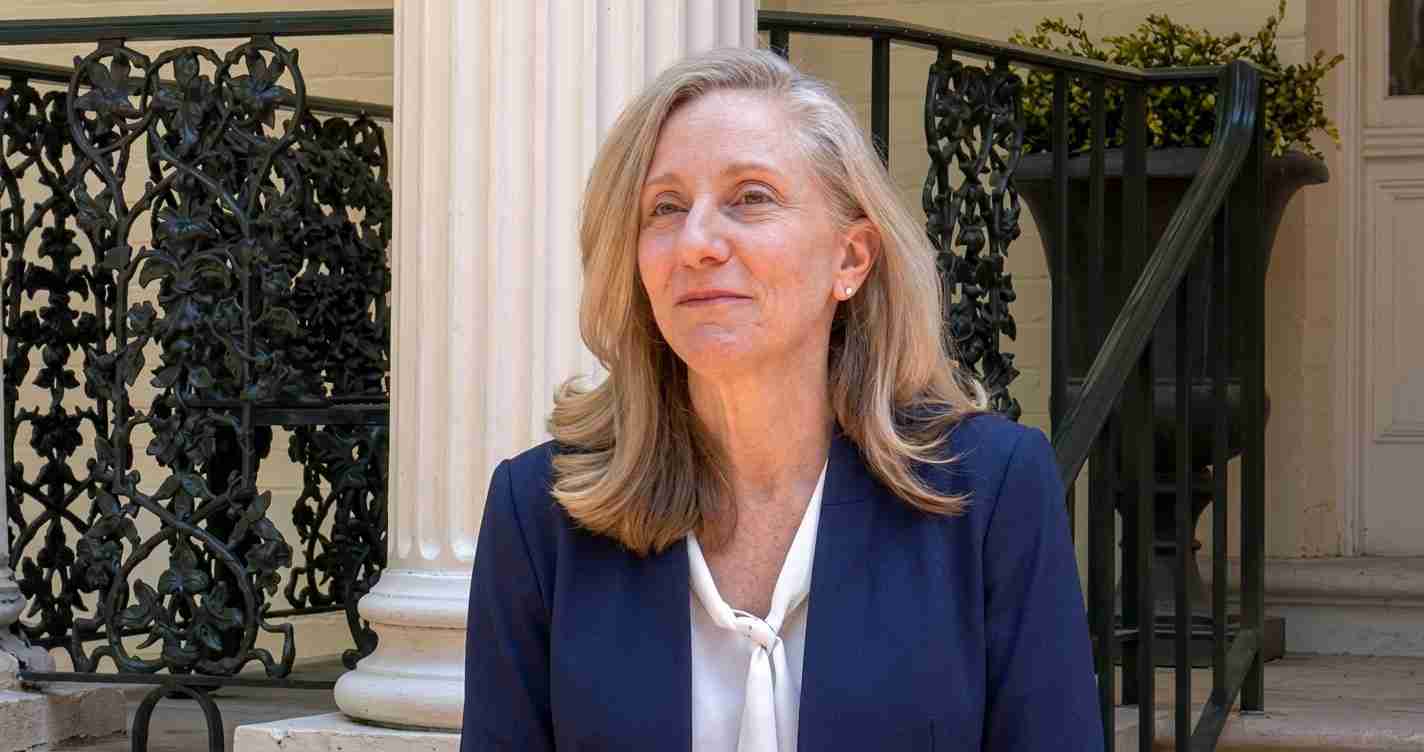
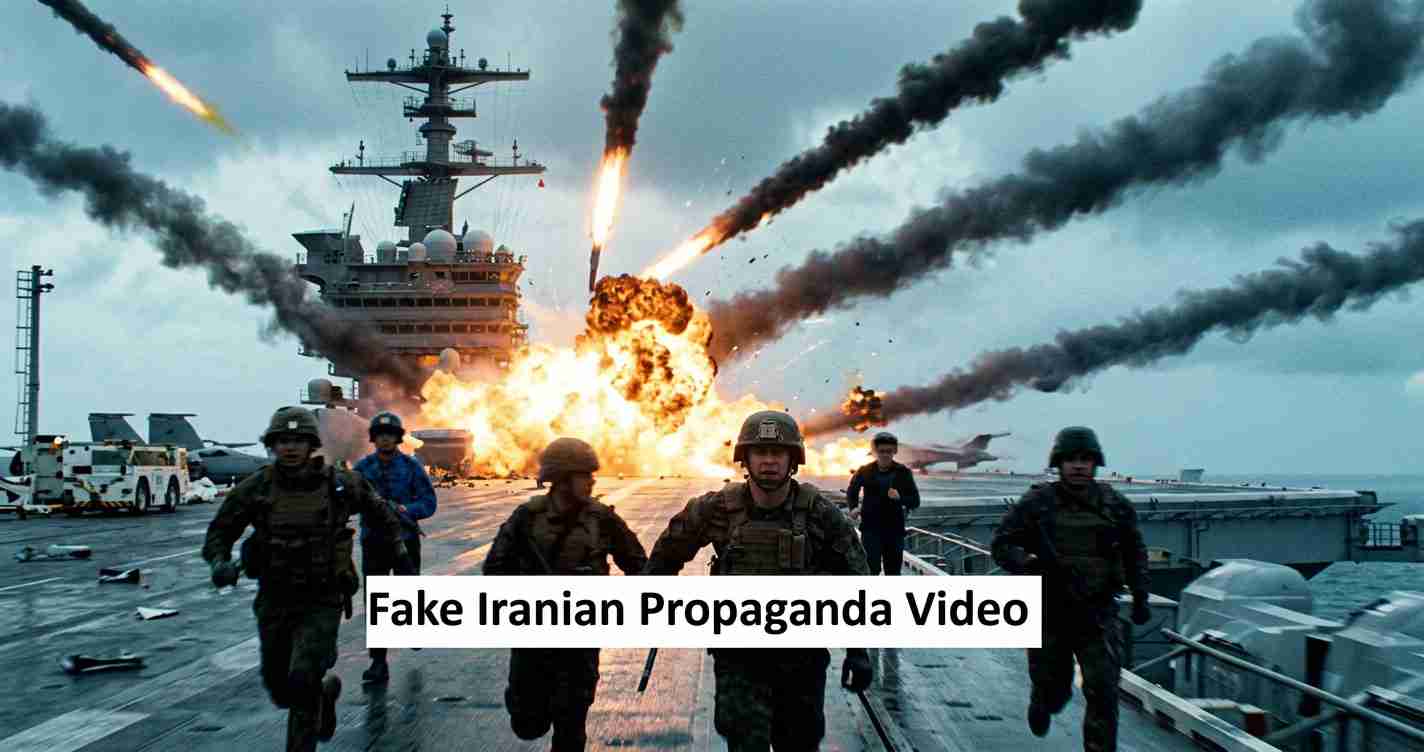
Former acting CISA director Bridget Bean warned that Iran is deploying AI‑generated and subtly AI‑manipulated imagery to craft a false narrative of battlefield victories against the U.S., making deception harder to spot during quick social media scrolling.
- Iran is mixing real footage with light AI edits to create content that passes a quick “gut test.”
- Former CISA official Bridget Bean cautioned the strategy aims to weaken foreign resolve and shape global perception.
- Journalists flagged AI-edited images of Mojtaba Khamenei, raising concerns about state media use of online AI tools for narrative control.
What Bean said and why it matters
Bridget Bean, who briefly led the Cybersecurity and Infrastructure Security Agency, told Fox News’ The Ingraham Angle that Tehran uses AI-generated and AI-manipulated content to push a global narrative that it is winning against the U.S. On the program she argued this is a deliberate response to inability to “win on the battlefield” and a bid to erode international and domestic resolve.
“They can’t win on the battlefield, so they’re going to try and win through AI and through a global narrative,” Bean said, noting earlier crude deepfakes have evolved into subtler edits that blend authentic elements with light AI touches so casual viewers are less likely to notice anomalies.
See the full segment: Fox News video of Bridget Bean on The Ingraham Angle.
Examples: altered images of a possible new supreme leader
The concern intensified after Iranian state outlets published images of Mojtaba Khamenei following reports he had not appeared publicly amid injury rumors. Fact‑checkers and journalists reported signs of AI editing; BBC Verify’s work and related reporting indicated the photos were modified using widely available online tools.
Summary of external reporting: Report summarizing BBC Verify findings on AI-edited images of Mojtaba Khamenei.
How the manipulation works — simplified
Based on Bean’s comments and reporting, the apparent workflow combines three elements:
- Legitimate starting material: use real photos and footage that already carry credibility.
- Limited AI edits: smoothing features, adjusting expressions, or reconstructing frames so the output looks authentic at a glance.
- Wide distribution: push the edited items through state media and allied social accounts to manufacture consensus and perceived reality.
Why subtle edits matter: smaller changes preserve contextual visual cues, making content harder for casual viewers to detect and more likely to spread before forensic analysts intervene.
Limits of current reporting and verification
Public reporting to date primarily relays Bean’s assessment and fact‑checking of a handful of images. The Fox News segment does not enumerate specific forensic markers or toolchains. The Harian Basis summary cites BBC Verify but lacks detailed technical findings in public view. As a result, questions remain about scale, the precise AI toolset, and distribution networks.
Why this strategy is effective
Experts say the approach leverages speed, repetition and subtlety. A seemingly authentic image can reach millions rapidly; rapid impressions form in seconds and users often share without verification. State outlets amplify perceived legitimacy and influence undecided observers, thereby shaping perception and eroding will.
“Their goal is to weaken our will, our resolve and to really push a narrative that is not true,” Bean warned.
Expert advice and public precautions
Bean and digital forensics teams recommend practical habits for users:
- Slow down before sharing: pause and assess suspicious or emotionally charged content.
- Check original sources: verify whether multiple reputable outlets report the same event.
- Look for confirmations: real events typically appear across independent reporters and trusted media.
- Use fact-checking services: consult organizations such as BBC Verify and digital forensics teams for analyses when items seem questionable.
Implications for San Luis Obispo, California
Economic: direct effects are likely limited locally, but misinformation can ripple into markets (energy, defense) affecting prices and supply chains.
Political: misleading imagery can skew local debate and prompt reactionary pressures on elected officials absent verified facts.
Social and cultural: disinformation erodes trust; community education, media literacy programs at Cal Poly and public libraries, and local newsroom verification capacity can reduce harms.
Practical local steps include pausing before sharing, relying on trusted news sources, reporting suspicious posts, and organizing media literacy workshops.
Sources and further reading
Primary sources cited in this report:
- Fox News video of Bridget Bean on The Ingraham Angle
- Report summarizing BBC Verify findings on AI-edited images of Mojtaba Khamenei
Reporting limitations and next steps for journalists
To deepen coverage, reporters should pursue:
- Technical forensic analysis from digital labs on the cited images and videos.
- Responses from Iranian state media or government representatives regarding the allegations.
- Expert commentary from independent cybersecurity and AI specialists about likely tools and methods.
- Tracking of distribution networks to map how edited content propagates across platforms.
Local newsrooms and verification organizations can partner to bring forensic findings to community audiences, helping residents and officials better identify and respond to subtle AI-manipulated content.