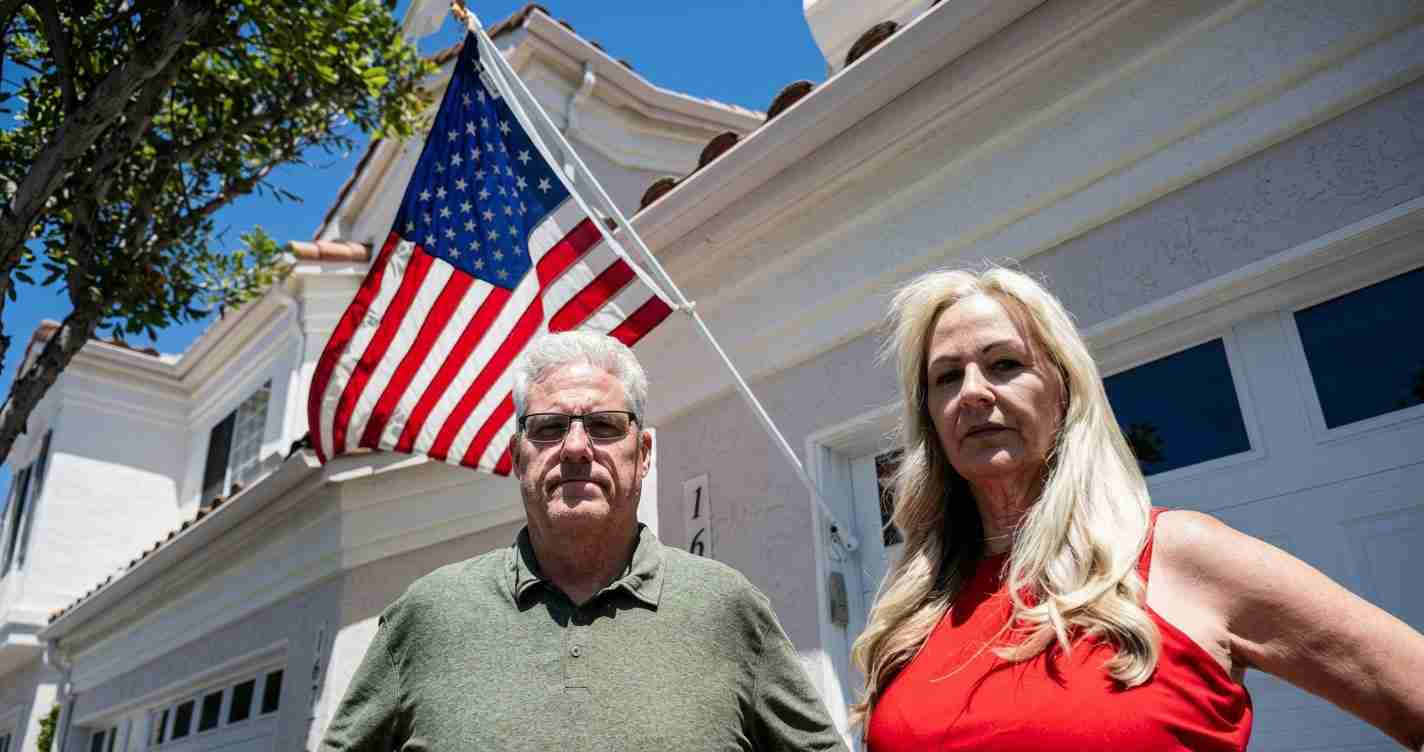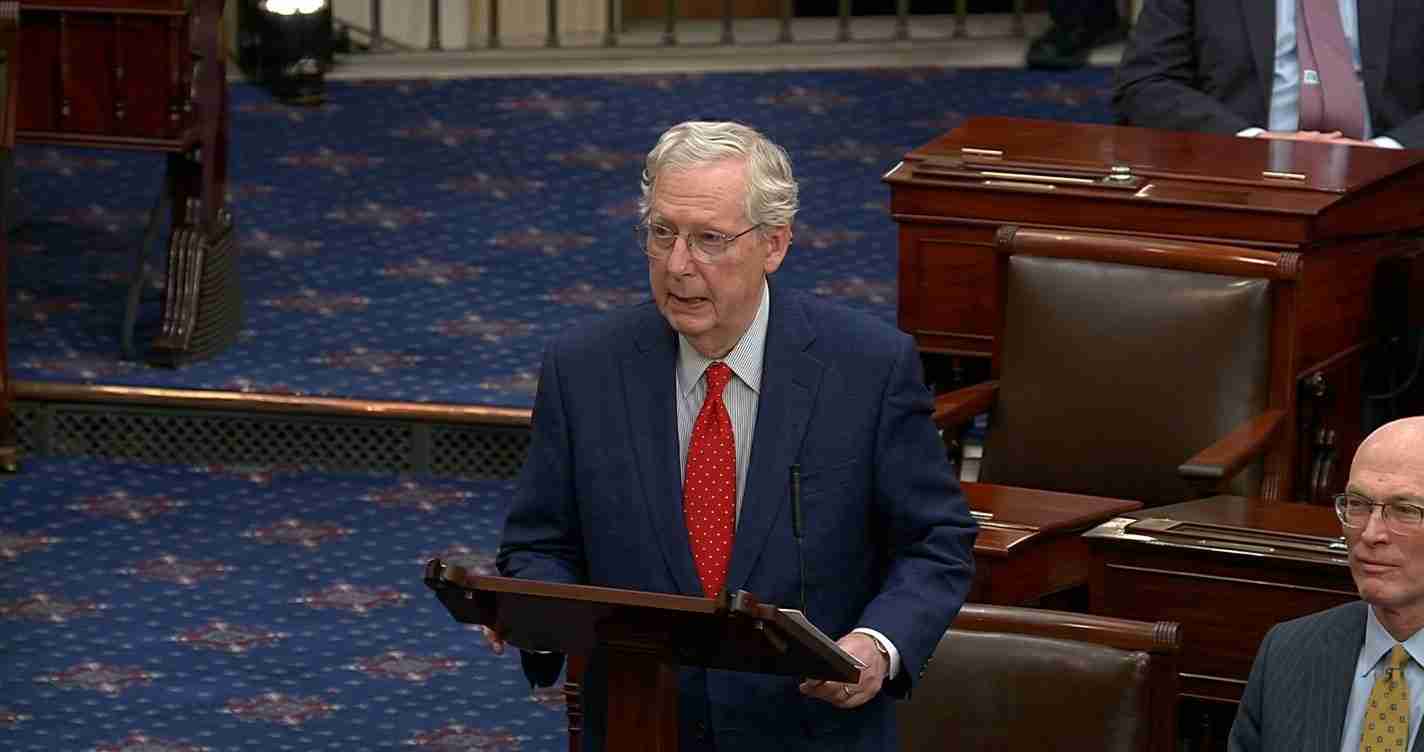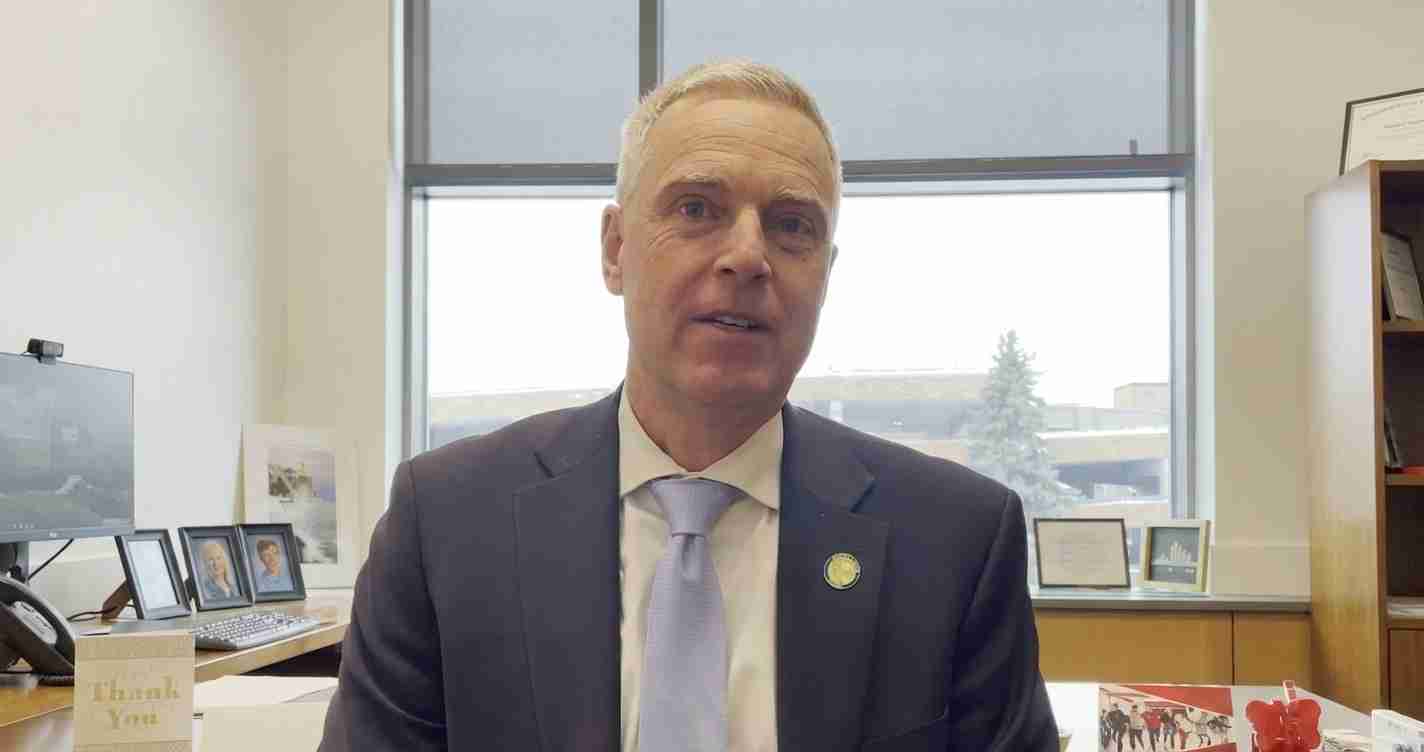
Nearly 100 Minnesota mayors warn state fiscal policies are forcing property tax increases, straining cities
Ninety-eight Minnesota mayors signed a Dec. 22 letter to Gov. Tim Walz saying state fiscal decisions, including fraud probes and unchecked spending, are eroding budgets and forcing nearly $950 million in statewide property tax increases next year.
Key takeaways
- 98 mayors formally warned Gov. Walz on Dec. 22 about state fiscal management and its pressure on cities — reported by WDIO and KAAL.
- The mayors say an $18 billion surplus has largely disappeared and Minnesota faces a projected $2.9–$3 billion deficit in the 2028–29 biennium, increasing pressure to raise local revenue or cut services.
- Property taxes are preliminarily set to rise by nearly 6.9% — about $950 million statewide — which the letter ties largely to state policies and unfunded mandates.
- Republican leaders, including state Sen. Lang, echoed calls to reduce spending, address fraud and remove mandates (see Minnesota Senate Republicans).
Main content
What the mayors say
The letter, authored by Crosslake Mayor Jackson Purfeest, argues decisions at the state level are “trickling down to our cities—reducing our capacity to plan responsibly, maintain infrastructure, hire and retain employees, and sustain core services without overburdening local taxpayers.”
Mayors list concrete pressures: higher construction and operational costs, difficulty recruiting and retaining municipal workers, slowed business investment, and an increase in residents and businesses facing higher property tax bills. These observations are documented in local reporting by WDIO and KAAL.
Property tax increases and unfunded mandates
The signers link the projected $950 million statewide property tax rise to state requirements for schools, health and human services, and public safety that are not fully funded by the state. The letter frames each unfunded mandate or cost shift as a stark choice for cities:
- raise local taxes;
- cut services;
- delay infrastructure projects; or
- overextend already-thin staff.
According to the mayors, many communities are already making these hard choices rather than absorb the unfunded costs.
Economic signals and business concerns
The letter cites business indicators — including a Minnesota Chamber of Commerce report showing the state slipping in national rankings over six years — as a “wake-up call.” Mayors warn that uncertainty from fraud probes and spending swings is chilling local investment and hiring, which further complicates municipal budgets and workforce planning.
Fraud investigations and political fallout
Mayors single out ongoing state-level fraud investigations as a central problem, saying such probes have shifted administrative attention, increased costs, and eroded public trust. While the letter does not catalog each case, it ties fallout from these matters to fiscal consequences for agencies and cities.
“Fraud investigations have shaken public trust and budgets, driving additional costs as agencies and auditors respond,” the letter states.
Republican officials have used the letter to press for spending cuts, anti-fraud measures and the removal of mandates (see Minnesota Senate Republicans).
State response and the broader debate
As of the letter’s release, Gov. Tim Walz and his administration had not provided a full public response tied to the mayors’ letter. The dispute underscores a larger debate: supporters argue state investments in schools, health care and public safety are necessary; critics say the state must rein in spending, root out fraud and avoid shifting costs to local taxpayers.
The mayors’ cross‑jurisdictional sign-on — from small towns to suburban cities — adds political weight for lawmakers as they consider the 2026 and 2027 budgets and plan for the 2028–29 biennium.
Voices and scope
Mayors from across Minnesota signed the letter, illustrating a broad geographic mix and shared concerns about rising costs, staffing challenges, and property tax pressures. Local reporting by WDIO and KAAL provides signatory examples and regional context.
Implications for San Luis Obispo, California
Economic impact: San Luis Obispo leaders should view Minnesota’s experience as an early signal that state fiscal reversals can ripple to local budgets. Similar state deficits or lost surpluses could force local property tax hikes, service cuts, or project delays.
Political consequences: The Minnesota letter shows how coordinated local action can influence state debate. SLO officials might form coalitions or joint appeals to Sacramento if California pursued cost shifts or unfunded mandates.
Social effects: Officials note Minnesotans are leaving in part due to rising costs; SLO could see migration pressures from other regions, affecting housing, schools and services.
Cultural relevance: Where residents value parks, libraries and cultural programs, any cuts to services would affect everyday life and political conversations about priorities.
Practical applications for local leaders
San Luis Obispo and other cities can take immediate steps to shore up resilience:
- Review and strengthen reserve policies and multi-year forecasting to withstand state revenue swings.
- Track potential state mandates and seek funding commitments before absorbing new costs.
- Build regional coalitions to advocate collectively to state officials.
- Communicate transparently with residents about trade-offs: taxes, services or project timing.
Sources and further reading
– WDIO: “98 Minnesota mayors sign letter to Gov. Walz on state spending concerns”
– KAAL: “98 Minnesota mayors sign letter expressing concern with state’s economic direction”
– Minnesota Senate Republicans: Sen. Lang responds to MN mayors’ frustration
Article reported and written by Times Media Service for CNN. Sources cited above.