Venezuela acts to free more detainees as interim president calls it a “new political moment”
Acting president Delcy Rodríguez announced releases of prisoners jailed under Nicolás Maduro, calling it a “new political moment” for coexistence, following Maduro’s ouster; hundreds freed amid rights groups’ concerns over transparency and international mediations.
Key takeaways
- Acting President Delcy Rodríguez said the government will keep releasing people jailed under former President Nicolás Maduro and called the effort a “new political moment.”
- Government tallies on releases differ from independent counts; rights group Foro Penal reports hundreds remain detained.
- At least four U.S. citizens were freed days before Rodríguez’s announcement — the first known American releases since Maduro’s ouster.
- Human rights groups estimate roughly 800 or more politically linked detainees remain, including opposition figures, soldiers and lawyers.
Key information
What Rodríguez said and who was with her
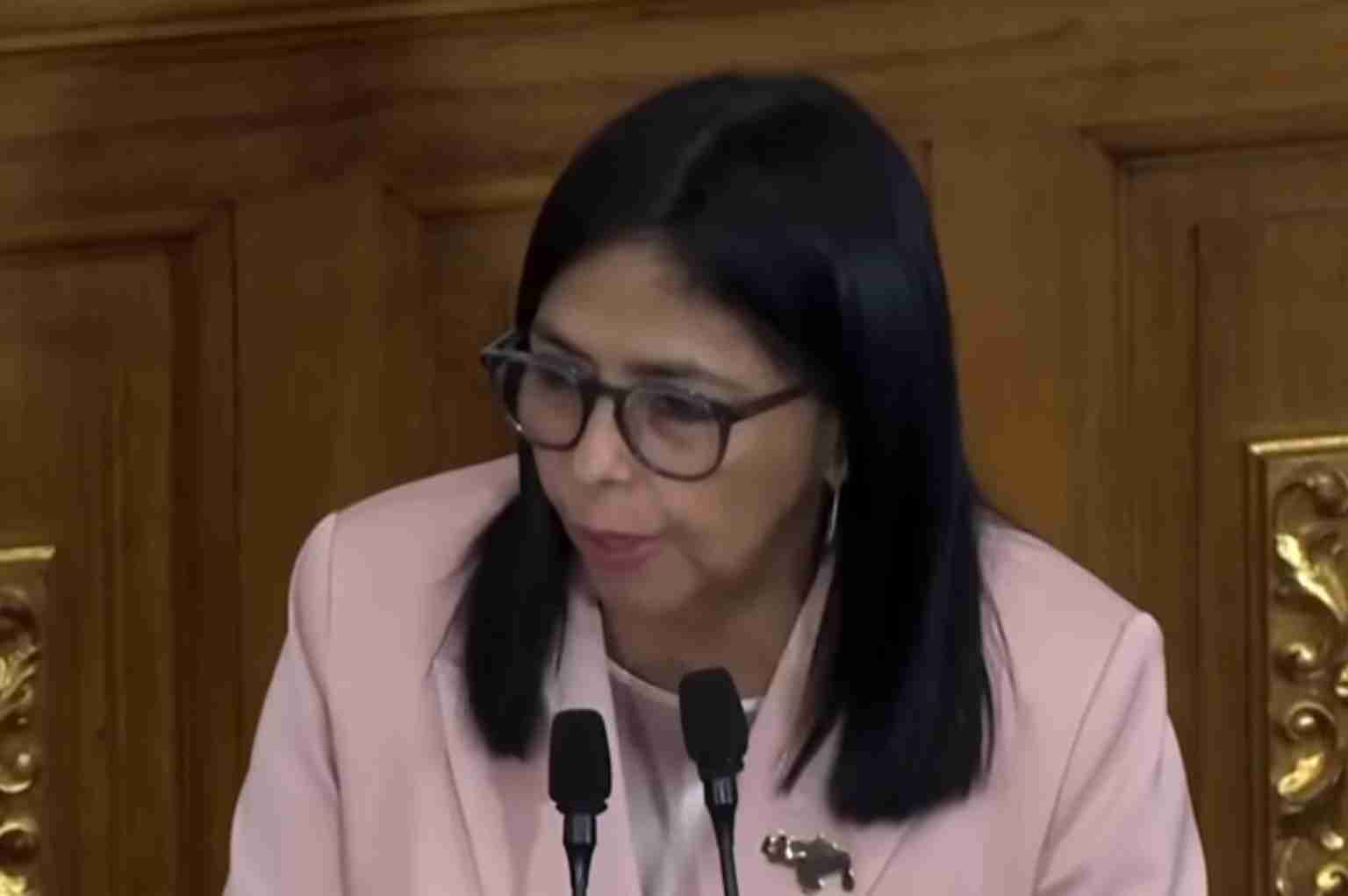
Announcement setting: Rodríguez spoke at her first press briefing from the presidential palace in Caracas. Reporters were not given a chance to ask questions during the briefing.
She stood beside two influential figures in the new government: her brother Jorge Rodríguez, president of the National Assembly, and Interior Minister Diosdado Cabello. Rodríguez framed the releases as part of a shift toward coexistence and tolerance, crediting a prior round of releases under Maduro for starting the process. (source)
Numbers and independent verification
Conflicting tallies: Rodríguez cited differing totals — for example, 406 in one instance and 212 elsewhere — but offered no public evidence for those figures. (KSL report)
Independent organizations have lower, verified counts. Foro Penal confirmed 68 releases tied to the interim government’s pledge, noting at least a dozen freed on Wednesday, including political activist Nicmer Evans and staff from opposition leader María Corina Machado’s campaign. Other outlets counted about 41 releases by early this week, describing releases spread across the weekend and Monday. (El País)
Rights groups and monitors: more than 800 people remain detained on politically linked charges — a gap that highlights contrasts between official claims and outside verification.
Recent high-profile cases and international mediation
Days before Rodríguez’s announcement, at least four U.S. citizens were released, the first known Americans freed since Maduro’s removal by a U.S. military operation earlier this month.
International diplomacy was involved in some recent releases: a reported batch of 24 included dual Spanish‑Venezuelan Alejandro González and two Italians freed after negotiations involving Italian diplomats and U.S. mediation. Italian leaders and other foreign officials publicly advocated clemency. (El País)
Rodríguez also announced 116 clemencies via the Ministry of Prison Services, though some spared remain subject to restrictions — limits on speech and movement — and not all clemencies resulted in immediate release. Rights groups describe the process as slow and opaque. (report)
Process, criteria and rights concerns
Official criteria: the interim government says releases will target “crimes related to the constitutional order,” a phrase used to describe politically motivated charges. Interior Minister Diosdado Cabello is coordinating the effort and has vowed enforcement against hatred, intolerance or violence.
Critics note the government has not published a clear, transparent framework nor lists that independent groups can verify. Foro Penal and other organizations say many detainees face restrictions if freed, have lacked access to lawyers or family visits, and that relatives have protested outside prisons demanding answers. There are also reports of detainee deaths — authorities cited “sudden decompensation” in cases such as Edison Torres, a characterization that rights groups question. (El País)
Broader political context and credibility questions
Background: Delcy Rodríguez is a controversial figure who served as a close Maduro confidant before becoming acting president after the U.S. operation that removed Maduro. The U.S. had previously sanctioned Rodríguez for alleged human rights violations, and her ascent has been tied publicly to U.S. aims to secure control over Venezuela’s oil revenues.
Supporters call the releases steps toward reconciliation. Critics warn that leadership by former regime insiders and security hardliners could use selective clemencies to gain legitimacy while keeping key opponents detained or under restrictive conditions. The mismatch between government numbers and independent tallies deepens concerns over transparency and rule of law. (See sources below for reporting and counts.)
Why the counts differ
Discrepancies arise because the government may cite total clemencies or administrative actions that do not translate into immediate freedom, while independent groups verify physical releases and track names. Conditional releases and restrictions complicate classification as “fully free.” Verification is slowed by limited access for monitors and families and tight government control of detention information. (El País)
Implications for San Luis Obispo, California
Local effects in San Luis Obispo County may include:
- Economic and humanitarian ties: Venezuelan and Latin American community groups, students and families may organize information sessions, letter-writing campaigns or advocacy for detained relatives.
- Political engagement: Residents following international affairs may view transparent releases as a test of rule-of-law commitments and may urge local leaders to press California’s congressional delegation on U.S. policy and consular support.
- Campus impact: Cal Poly and nearby colleges could host panels, town halls and events exploring legal and humanitarian issues related to the detentions and transition.
- Legal and civic support: Local legal aid groups and volunteer lawyers may be asked to assist families or coordinate with U.S. consular officials after American releases.
- Cultural and social effects: The Venezuelan diaspora and Spanish-language outlets may share verified lists of released detainees, organize solidarity events, and request help locating loved ones.
Bottom line: Residents should expect increased local discussion, calls for transparency, and potential civic action to support families impacted by detentions and the transition in Caracas.