California classifies Shasta County measles cluster as outbreak amid national surge; public exposure sites listed
Shasta County is reporting its first measles outbreak in six years, with eight linked cases confirmed as of Feb. 9, 2026. Health officials say patients were unvaccinated or of unknown status and published public exposure locations.
Key takeaways
- Outbreak declared: The California Department of Public Health classified an eight-case cluster in Shasta County as an outbreak; all patients were unvaccinated or had unknown vaccination histories (CBS Sacramento).
- Statewide scope: As of Feb. 9, 2026, California reported 17 confirmed measles cases across several counties (CDPH measles page).
- Public exposures listed: Officials released specific Shasta County locations and times tied to the cluster; visitors during those windows should check records and watch for symptoms.
- National surge: The U.S. saw record measles activity in recent years, with thousands of cases linked to areas of low vaccination and international travel (CDC; CDPH CAHAN).
Shasta County outbreak: what we know
Index case and tracing. Shasta County health officials identified an index patient on Jan. 30, 2026. Contact tracing found seven additional linked cases among close contacts; many close contacts isolated before becoming contagious, limiting spread. All eight confirmed patients were either unvaccinated or had unknown vaccination histories, according to local officials and the CBS Sacramento report.
Why this qualifies as an outbreak. The California Department of Public Health (CDPH) measles page defines an outbreak as more cases than expected or clustering by time, place or behavior. Given the links among these Shasta cases, state officials opened an investigation to find additional exposure sites.
Public exposure sites and timing
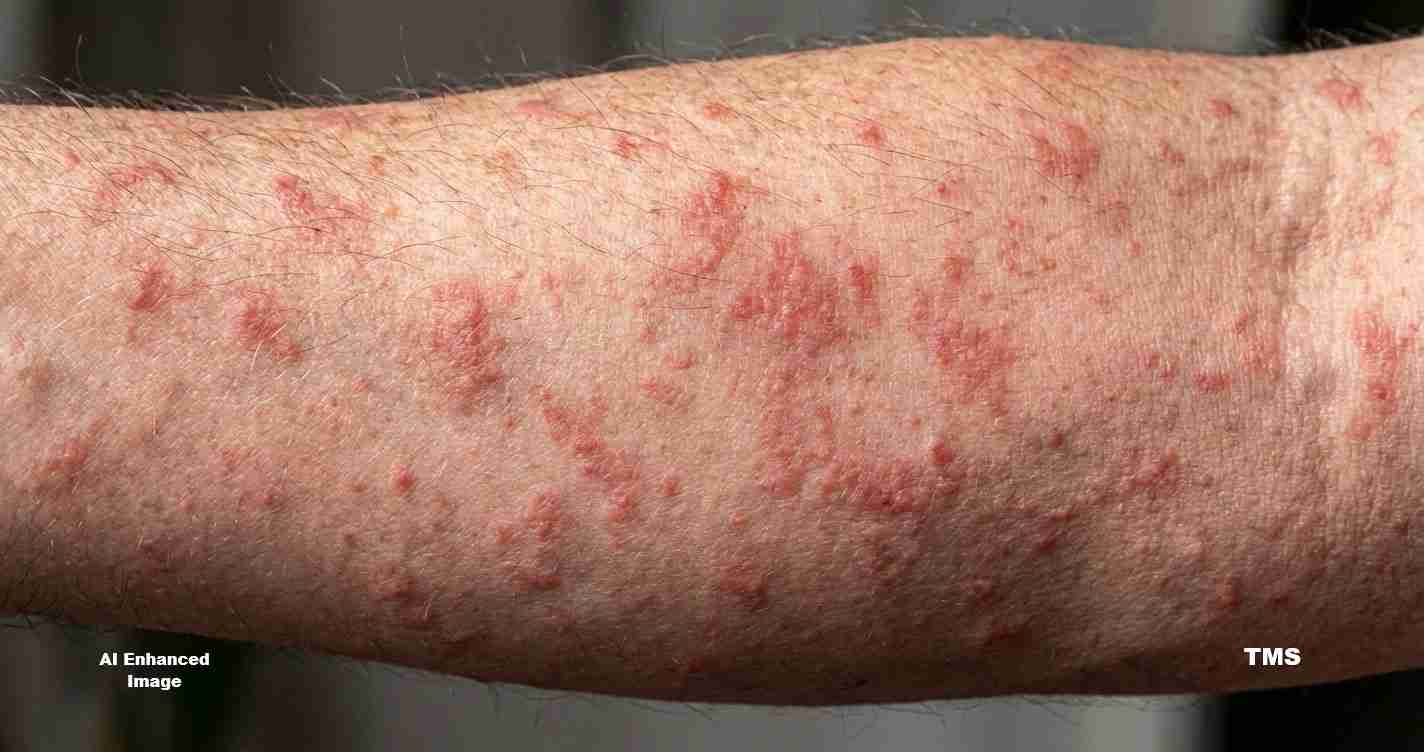
Health officials released a list of public exposure locations in Shasta County tied to the cluster. If you visited any of these locations during the listed times, check vaccination records and watch for symptoms (fever, rash, cough, runny nose, red/watery eyes). Call your health care provider before visiting so clinics can prepare airborne infection controls.
- Ninja Coalition, 900 Dana Drive — Jan. 23, 2:30–5:20 p.m.
- Highland Neighborhood Park (capture the flag event) — Jan. 23, noon–4 p.m.
- Osaka Sushi, 1340 Churn Creek Rd. — Jan. 23, 6:30–10 p.m.
- Former CrossPointe Community Church gym (basketball) — Jan. 24, 1:45–5 p.m.
- Costco, 4805 Bechelli Lane — Jan. 24, 6:30–9 p.m.
- Churn Creek HealthCare clinic — Jan. 28, 1:45–5 p.m.
If symptoms develop: call your health care provider before attending a clinic to allow staff to implement airborne precautions (N95 respirators for staff). This guidance is consistent with CDPH CAHAN advisories and reporting recommendations.
Statewide picture and national context
California’s 17 confirmed measles cases as of Feb. 9, 2026, include reports in Los Angeles, Orange, San Bernardino, Riverside, Napa and Shasta counties, per the CDPH measles page. Two infectious people with measles visited Disneyland on Jan. 22 and Jan. 28, creating potential exposure locations tied to investigations (CBS Sacramento; CDPH release).
Nationally, the U.S. is experiencing the highest measles numbers in more than 30 years: 2,276 cases in 2025 and 733 confirmed cases in 2026 so far, according to national data and state alerts. Public health leaders say most recent U.S. cases are linked to populations with low vaccination rates and international travel (CDC; Xinhua; CDPH CAHAN).
Transmission, vaccine effectiveness, and coverage
Measles is highly contagious. The virus can remain infectious in the air for up to two hours after an infected person leaves a room; about 90% of susceptible people exposed to an infected person will catch the disease. Two doses of the MMR vaccine are about 97% effective at preventing measles. CDPH notes California’s kindergarten MMR coverage exceeded 95% for the 2024–2025 school year, but local pockets of under-vaccination remain vulnerable to outbreaks (CDPH measles page ; CDC data).
Health guidance for providers and the public
For clinicians: Suspect measles in any patient with fever and rash plus cough, runny nose or conjunctivitis; isolate suspected cases immediately with airborne precautions and report to local health departments without waiting for lab confirmation. PCR testing of respiratory specimens is the preferred lab method, in line with CDPH CAHAN guidance.
For the public: Check vaccination records and get the MMR vaccine if not fully immunized. Travelers aged 6–11 months should receive an early MMR dose before international travel; otherwise follow the routine two-dose schedule for those born in 1957 or later without evidence of immunity. Pregnant people, infants under 6 months, and severely immunocompromised individuals are at higher risk and should consult their health care provider (CDPH measles page).
Implications for San Luis Obispo
Although centered in Shasta County, the outbreak’s ripple effects reach communities across California, including San Luis Obispo County. Local leaders, institutions and residents should consider actions in these areas:
Economic impact
San Luis Obispo’s tourism, hospitality and higher-education sectors may see reduced visitor confidence, especially among families with young children and pregnant travelers. Businesses that host events or handle large crowds should review infection-control plans and employee vaccination status.
Health system and practical response
Local clinics, college health centers (including Cal Poly), urgent care centers and pharmacies should confirm procedures for identifying and isolating suspected measles cases, stock N95 respirators, and review testing and reporting pathways with San Luis Obispo County Public Health. Residents should verify MMR records and get vaccinated if needed. For official state guidance and counts, see the CDPH measles page and the CDC measles data.
Schools and child care
Schools and child-care programs should remind families about the two-dose MMR requirement and verify immunization records. Even with high overall coverage, small clusters of under-vaccinated students can allow measles to spread quickly. School nurses and administrators should coordinate with county public health on exclusion policies and communication plans.
Vulnerable populations and social effects
Infants under 6 months, pregnant people, and immunocompromised residents face higher risk for severe disease. Community organizations serving these groups should raise awareness, assist with vaccine access, and provide clear guidance on when and how to seek care.
Political and policy considerations
The outbreak underscores the local stakes of statewide vaccination policy and public health funding. Elected leaders and public health officials may face pressure to promote vaccination campaigns, support clinic capacity, and communicate clearly to build public trust without politicizing health measures.
Cultural relevance and community action
San Luis Obispo’s mix of college students, families and retirees requires tailored messaging. Clear, calm information about where to get MMR shots, how to check school immunization records, and what to do if symptoms appear will help residents act quickly. Local faith groups, parent organizations and business associations can help spread accurate information.
Sources and further information
- Shasta County measles outbreak reporting: CBS Sacramento
- CDPH measles information and weekly updates: CDPH measles page
- CDPH CAHAN alert: Increase of measles in California: CDPH CAHAN
- CDC measles data and research: CDC
- Xinhua coverage of national trends: Xinhua
If you were at any of the listed Shasta County exposure locations on the dates above, or if you have questions about vaccination, contact your health care provider or the San Luis Obispo County Public Health Department and consult the state and federal guidance links above for the latest recommendations.
“Two doses of the MMR vaccine are about 97% effective; pockets of under-vaccination remain a vulnerability.” — CDPH / CDC data summaries