Minnesota reports nation’s largest TMVII outbreak — health officials warn of sexually transmitted fungal infection causing ringworm-like rashes
Minnesota is facing the nation’s largest known outbreak of TMVII, a sexually transmitted fungal infection causing ringworm-like rashes. More than 30 confirmed or suspected cases — mainly in the Twin Cities — prompted enhanced surveillance and treatment guidance.
- Outbreak size: 13 confirmed and 27 suspected cases in Minnesota (more than 30 combined), concentrated in the Twin Cities; first state case confirmed in July 2025 — CBS News, Fox News.
- Distinct pathogen: TMVII is Trichophyton mentagrophytes genotype VII, a sexually transmissible strain of dermatophyte that often requires oral antifungal therapy — CIDRAP, Fox News.
- Clinical alert: Round, red, itchy lesions may be mistaken for eczema or psoriasis and often need oral antifungals for weeks to months — KSTP, ABC3340.
Outbreak timeline and scale
First U.S. identification of TMVII was reported from New York City in 2024. Minnesota’s first confirmed state case was recorded in July 2025, when a patient sought care for a genital rash. Since that confirmation, the Minnesota Department of Health (MDH) has identified 13 confirmed cases and is investigating 27 suspected infections, largely tied to the Twin Cities area.
Public reporting and clinic referrals prompted MDH to set up enhanced surveillance to find and confirm additional cases. For reporting and coverage, see CBS News, Fox News and CIDRAP.
What is TMVII?
TMVII refers to Trichophyton mentagrophytes genotype VII, a dermatophyte related to organisms that cause common ringworm, jock itch and athlete’s foot. What sets this genotype apart is its documented ability to spread through direct skin-to-skin contact during sexual activity, making it notable as the only widely reported fungal agent with sexual transmission patterns in recent U.S. reports.
The fungus can infect skin on many body parts including the genitals, buttocks, thighs and trunk. For background reporting see CIDRAP, CBS News and Fox News.
Symptoms and presentation
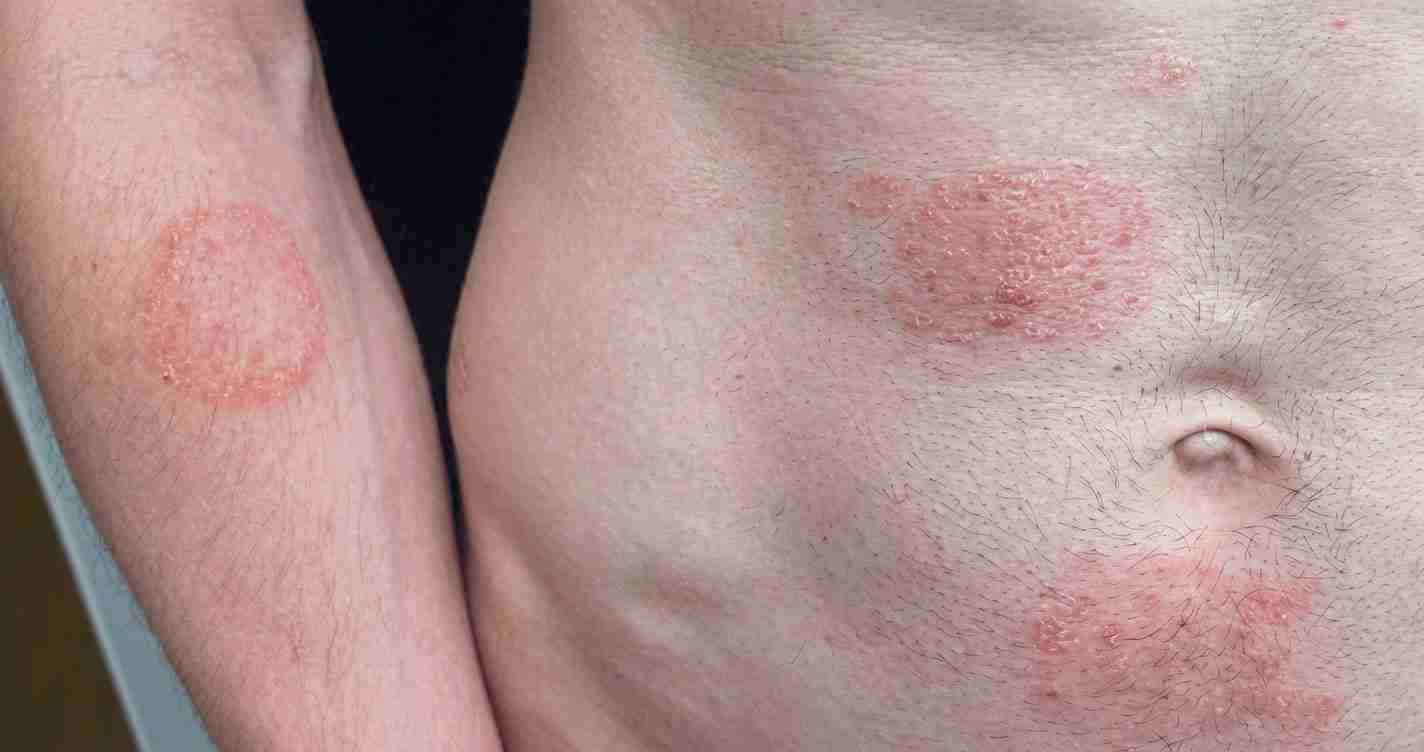
Infected people most often develop round, coin-shaped rashes that are red, irritated and sometimes scaly. Lesions can be itchy or painful, and may be mistaken for eczema or psoriasis. If left untreated, lesions can persist, scar or develop secondary bacterial infection.
Health officials advise clinicians to consider TMVII when rashes do not improve with over-the-counter topical antifungals. See clinical reports from KSTP, ABC3340 and Fox News.
Transmission and risk groups
TMVII spreads through direct skin-to-skin contact, including during sexual activity. Public health reports indicate higher prevalence among men who have sex with men and among commercial sex workers, though anyone with close skin contact can become infected. A history of other sexually transmitted infections may be associated with higher risk.
Health officials continue to investigate patterns of spread to better define risk groups; reporting and expert commentary appear in Fox News and CIDRAP.
Diagnosis and treatment
Identification is often clinical when lesions fail to respond to topical therapies. Confirmatory testing usually requires a skin scraping or sample sent to a laboratory for fungal testing.
Treatment typically requires oral antifungal medication, not just topical creams, and courses can last from weeks to months for full resolution. Early, accurate diagnosis and adherence to prescribed oral therapy are emphasized by experts and public health officials (Fox News, CIDRAP).
Expert perspective
“These usually manifest as round, itchy spots that may have a rough appearance and could be mistaken as eczema,” said Dr. Hayden Andrews, an infectious disease expert at UT Southwestern Medical Center, noting that testing and oral medicines are the clinical distinction. — Fox News
Public health response
In Minnesota, MDH established enhanced surveillance after clinicians and patients reported multiple cases and potential links among sexual partners. Clinicians have been asked to report suspected cases and to submit fungal isolates to the state public health lab for confirmation.
Infected individuals are being advised to inform sexual partners, avoid skin-to-skin contact until treatment is complete, not share towels or clothing, and to wash linens and clothing on high heat. The CDC has confirmed TMVII cases in multiple U.S. cities and is monitoring reports. Coverage and guidance references: Fox News, CBS News, CIDRAP.
Implications for San Luis Obispo, California
Economic impact: Direct local economic effects are likely limited. TMVII is a skin infection that typically does not cause systemic illness, so major business disruption is unlikely. Local clinics, urgent-care centers and university health services may see increased visits and short-term costs for testing and prescriptions.
Political consequences: County leaders may face calls to strengthen sexual health outreach and funding for STD clinics. A focused response — surveillance, clinician alerts and public education — could prompt debate over public health budgets. San Luis Obispo County Public Health may consider guidance similar to Minnesota’s enhanced surveillance approach (see MDH and CDC reporting referenced above).
Social effects & cultural relevance: Clear, stigma-free communication is essential. TMVII’s association with sexual transmission can create embarrassment; messaging should emphasize that infections are medical issues requiring treatment, not moral judgment. Tailored outreach to higher-risk communities should be respectful and partner with local advocacy groups.
Practical applications for residents
- If you have a round, red, itchy rash that does not improve with over-the-counter creams, seek medical evaluation and mention TMVII; clinic staff may need to collect a skin sample for testing.
- Inform recent sexual partners if you receive a diagnosis and avoid skin-to-skin contact until treatment is complete.
- Do not share towels, bedding or unwashed clothing; wash linens and clothes on the highest safe temperature.
- Use protection and reduce number of partners to lower risk, but understand condoms may not fully prevent transmission because infection can occur on skin not covered by a condom. Discuss safe-sex practices and testing candidly with clinicians.
Reporting guidance for local providers and officials
San Luis Obispo clinicians should be alert to persistent ringworm-like lesions, consider lab testing for Trichophyton mentagrophytes genotype VII when rashes don’t respond to topical treatment, and follow local public health reporting rules. County public health agencies can prepare by updating clinician advisories, ensuring labs can handle fungal isolates, and creating plain-language fact sheets for patients.
Minnesota’s enhanced surveillance approach offers a model for rapid identification and partner notification; see reporting and coverage from CIDRAP and Fox News.
Sources and further reading
Reporting and official updates cited in this article include Minnesota public health announcements and national coverage from the following outlets and analyses: