
Whoop CEO says device on Susie Wiles was a secure fitness tracker, not a restricted smartwatch after Operation Epic Fury photo sparks security fears
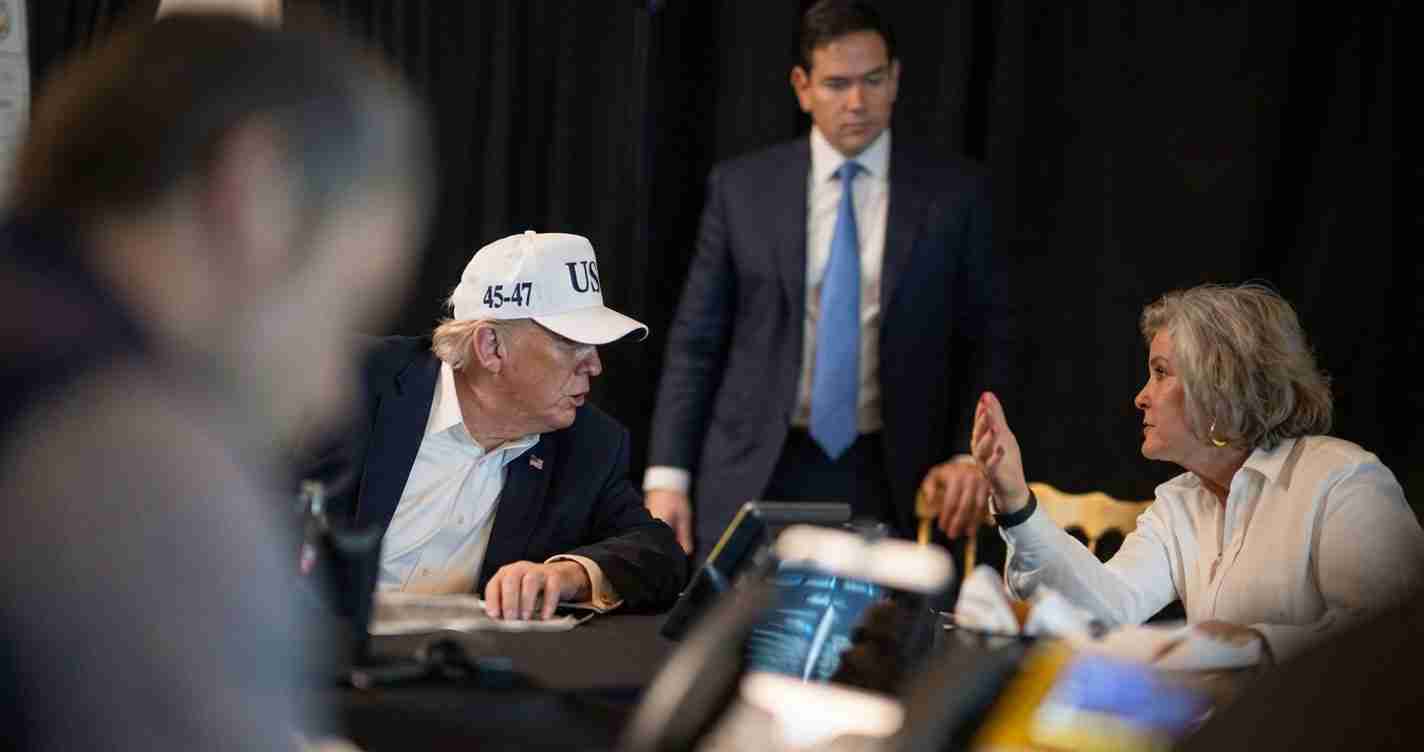
After a viral photo of Susie Wiles wearing a wrist device during a February 28, 2026 national-security meeting tied to Operation Epic Fury, Whoop CEO Will Ahmed said the gadget was an NSA-approved Whoop fitness tracker, not a restricted smartwatch.
- Viral image prompted security fears: observers mistook Wiles’ wrist device for a smartwatch during a high-stakes meeting.
- Whoop CEO clarified on X: Will Ahmed said the device is a Whoop tracker with no microphone, GPS, or cellular capability and is NSA-approved — reported by Fox Business.
- Officials found no breach: White House sources and media reporting indicate no security violation or leak was identified after review (The Chosun Ilbo).
- Local relevance: the episode highlights differences between biometric trackers and connected smartwatches for privacy-conscious communities.
Background: the photo and the questions it raised
A widely shared image taken at President Trump’s Mar-a-Lago residence captured the president and national security aides — including Susie Wiles and Secretary of State Marco Rubio — during the U.S. response to Operation Epic Fury. Social media users zoomed on Wiles’ wrist and assumed she wore a smartwatch, sparking concerns about White House device policy. Smartwatches often include microphones, GPS, Wi‑Fi, Bluetooth and cellular capability, features that can be barred in sensitive meetings because of potential data or audio capture.
“It’s called a whoop. There’s no story here other than a dead ayatollah and a green recovery,” Will Ahmed wrote on X, referencing the device’s recovery metric.
Whoop CEO’s response and technical details
Will Ahmed, founder and CEO of Whoop, intervened on social media to identify the device as a Whoop wearable. Ahmed emphasized technical distinctions intended to allay security concerns: the tracker lacks a microphone, GPS and cellular capability and is positioned as a performance tool rather than a communications device. Ahmed also stated the device is approved by the National Security Agency for use in sensitive environments. Those statements were reported by Fox Business and summarized in other coverage (The Chosun Ilbo).
Technical points Ahmed highlighted
- No microphones: Whoop trackers do not record audio, distinguishing them from many smartwatches.
- No GPS or cellular radios: the device lacks location-tracking and network-transmission capabilities that raise most security flags.
- Designed for analytics: Whoop focuses on heart-rate and physiological data for sleep, strain and recovery metrics rather than general-purpose connectivity.
- NSA approval: Ahmed stated the tracker is approved for sensitive settings, per his posts and reporting.
How Whoop works and how it differs from smartwatches
Whoop produces subscription-based biometric trackers that monitor sleep, strain and recovery by gathering heart-rate data and other physiological signals. The company markets the device as an analytics platform rather than a communications device; its hardware and subscription model are built around fitness and health insights and intentionally exclude connectivity features that would enable recording or transmitting conversations and location.
Company background: Whoop was founded by Will Ahmed in 2012 and has partnerships with sports organizations such as the PGA of America. Coverage of the CEO’s clarifying posts followed the photo’s circulation in national and international outlets (Fox Business; The Chosun Ilbo).
White House security protocol and typical device policies
Security procedures in classified or sensitive environments typically prohibit personal electronic devices capable of transmitting data, such as phones, laptops and many smartwatches. The worry is that embedded microphones, GPS and networking features can be exploited to capture audio, locations or other classified information.
Officials and security experts noted that not all wrist-worn devices present the same risks: devices designed solely for biometric tracking without networking or recording features have a different risk profile than fully connected smartwatches. Administration sources cited by media reports said no security violation or leak was identified after scrutiny of the image and the meeting (The Chosun Ilbo).
Media and public reaction
The episode demonstrates how a single photograph can rapidly fuel public debate about security, privacy and the conduct of leaders and aides. Social posts initially framed the device as a potential “smoking gun,” while others supplied technical details that questioned that interpretation. The CEO’s direct clarification on X shifted the narrative from suspicion toward explanation and context.
Implications for San Luis Obispo, California
Economic impact: San Luis Obispo’s tech and health-minded communities are unlikely to see direct economic effects from this incident. Local gyms, sports clinics and wearable retailers, however, may notice renewed interest in biometric wearables after a national mention.
Political consequences: For a politically moderate audience, the episode underscores demand for clear rules about electronic devices in sensitive government settings. Local leaders tracking national security debates may push for more transparent protocols to reassure constituents without inflaming partisan tensions.
Social and cultural effects: Residents who use fitness wearables may see renewed public discussion of device features and data privacy. Community health programs and campus tech groups at Cal Poly might use the episode to explain device capabilities and risks in plain terms.
Practical advice for residents: Check device specifications if you work in sensitive fields; employers and local government offices should clarify what devices are allowed in secure meetings. Review privacy policies and confirm whether a device has a microphone, GPS or cellular connectivity.
Sources and further reading
- Fox Business: “It’s called a whoop: CEO pushes back on security violation claims after viral photo”
- The Chosun Ilbo (English): coverage of the photo and the administration response
Administrative note
White House officials did not immediately reply to media requests for further comment on device policies or the photograph. Journalists and security experts say the episode highlights the speed at which social media can raise security questions and the need for clear, public information about permitted devices in sensitive settings.


