Trump administration calls UFC White House lawsuit a last-minute bid to spoil White House South Lawn UFC event
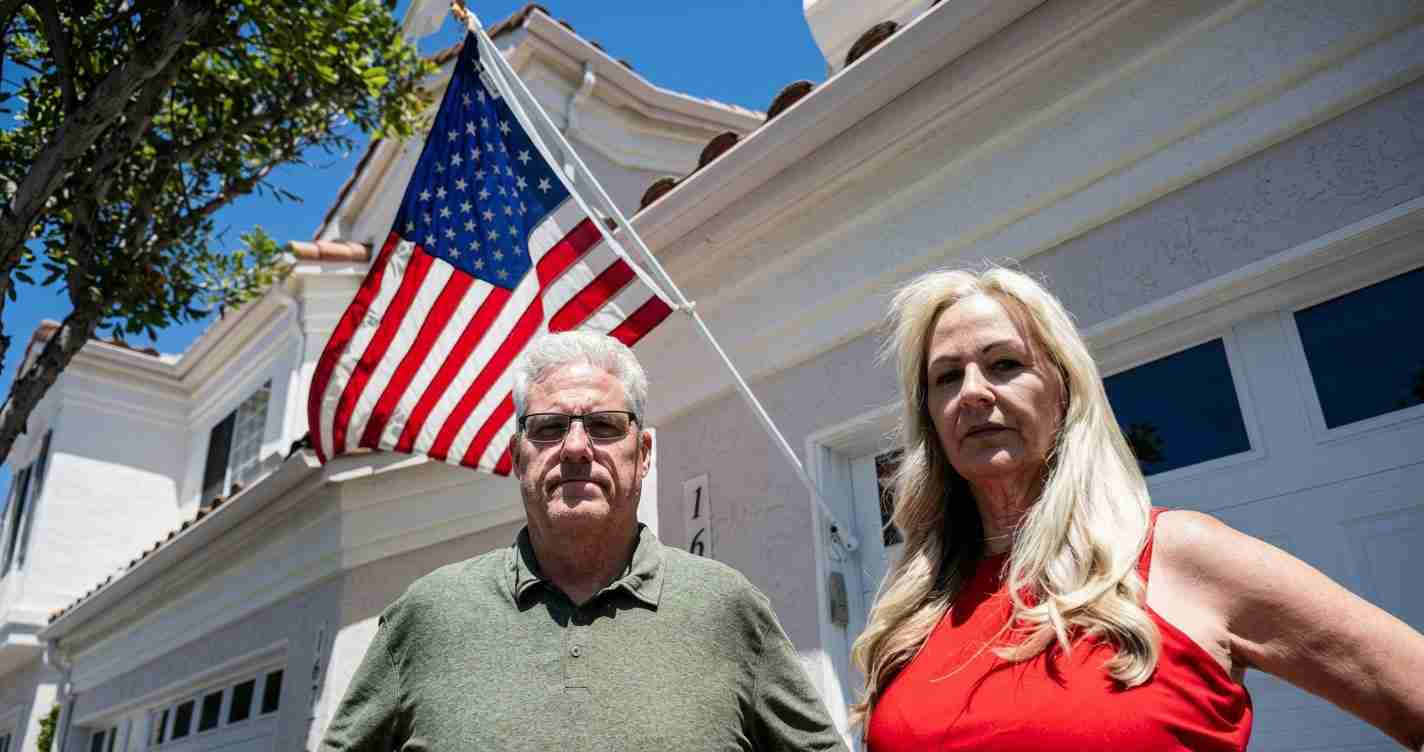
A lawsuit by two Virginia residents backed by Public Integrity Project seeks an emergency injunction to stop UFC Freedom 250 on the White House South Lawn; the Trump administration calls the filing a baseless, last-minute effort to derail the event.
Key takeaways
- Emergency filing: Two Virginia residents represented by the Public Integrity Project asked a court for an emergency injunction to halt UFC Freedom 250 on the South Lawn (source: Video report; ESPN reporting).
- Government pushback: DOJ lawyers called the suit “obstructionist, baseless, and dilatory,” urging Judge Amit P. Mehta to deny relief and noting more than $60 million invested and fighters in final weight cuts (source: ESPN).
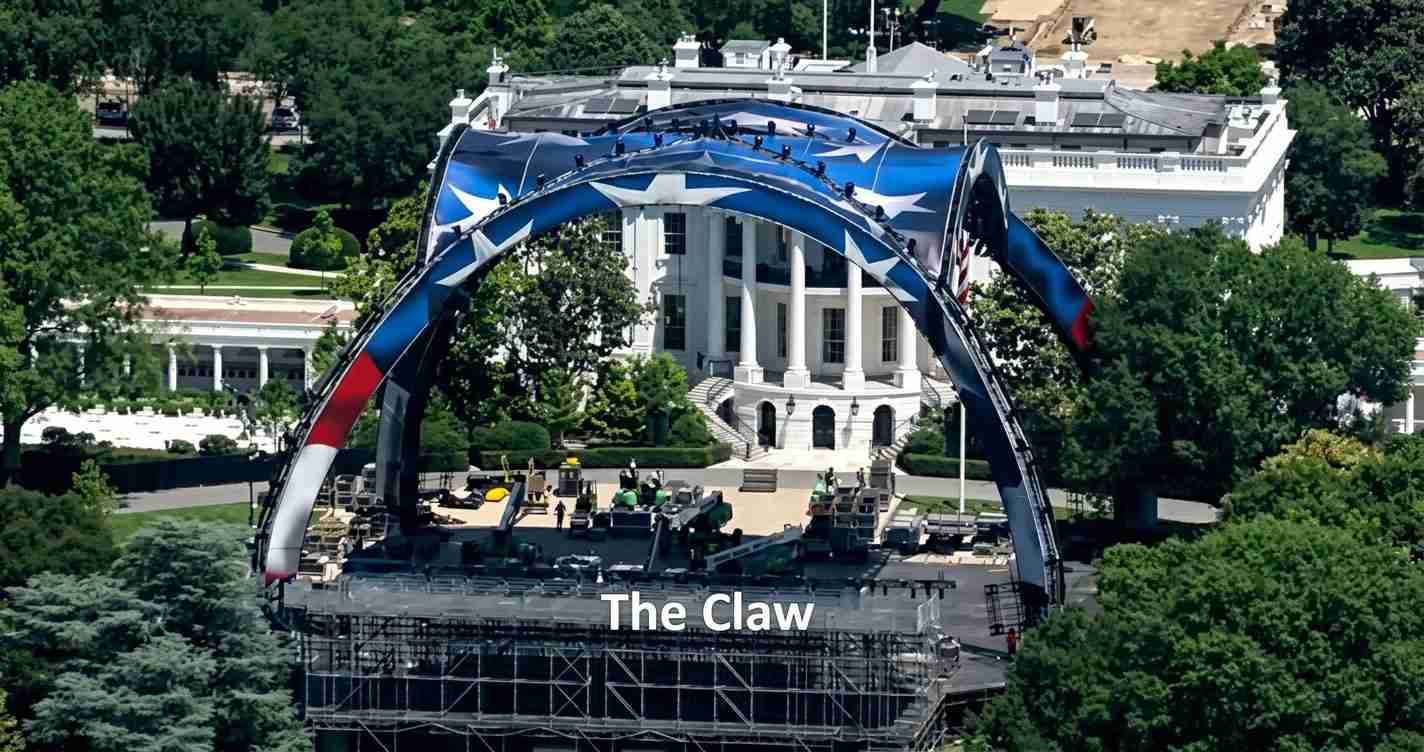
- Legal claims: Plaintiffs allege violated NEPA, ignored National Park Service rules, and erected a large temporary “claw” without congressional authorization—also raising ethics and conflict concerns (source: Video report).
- Local angle: The dispute has limited direct impact on San Luis Obispo but could influence local discussion about use of public spaces and events planning if it sets legal precedent (analysis based on ESPN; TIME).
Main story
What the lawsuit argues
The complaint, filed by two Virginia residents with support from Public Integrity Project, contends the planned UFC match on the White House South Lawn violated federal rules for public lands. Plaintiffs assert the organizers failed to conduct required environmental reviews under NEPA and bypassed National Park Service regulations. They describe the temporary steel arch — widely nicknamed the “claw” — as a “hideous” installation that intrudes on the White House grounds and the National Mall character.
The filing also raises ethics and potential conflict-of-interest concerns, arguing the event could confer private benefits to parties with ties to the president. Plaintiffs asked for emergency relief over the weekend and must file their final brief by 9 p.m. Wednesday, according to court papers (source: ESPN; Video report).
How the government defends the event
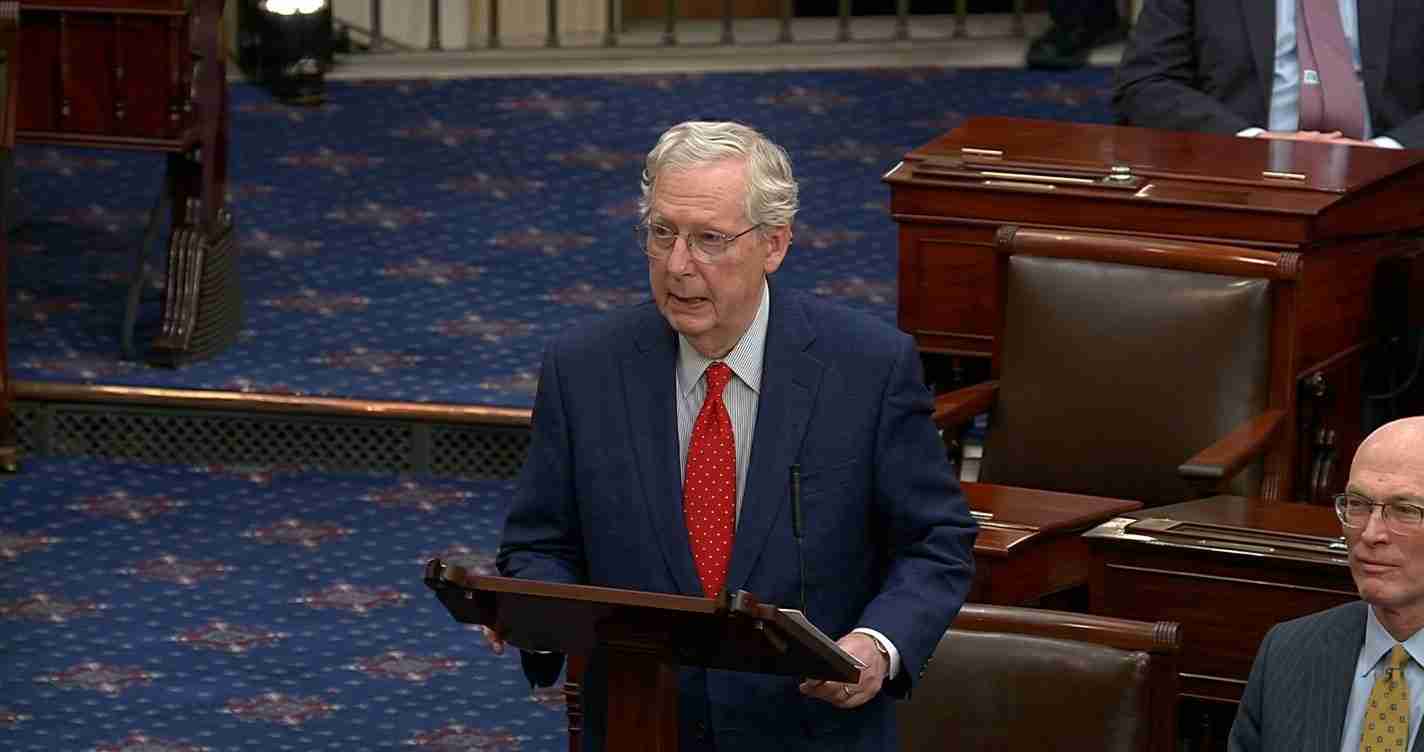
DOJ attorneys urged U.S. District Judge Amit P. Mehta to reject the injunction request, calling the suit “obstructionist, baseless, and dilatory.” In a forceful filing the government argued the challenge came too late and suggested that the plaintiffs can “simply avert their gazes for the weekend” rather than seek court intervention, saying private annoyance does not justify halting an event planned for thousands (source: ESPN).
The DOJ emphasized concrete costs and disruption: organizers and contractors have invested more than $60 million, fighters are in final weight-cut phases, and thousands of attendees have made travel plans. A White House official told Fox News Digital the event is “no different” from prior large South Lawn gatherings and called the lawsuit an eleventh-hour attempt to “ruin a historic celebration” tied to semiquincentennial activities (source: Video report).
Legal claims and defenses — plain terms
- NEPA: Plaintiffs say environmental review was required before construction; the government may argue review occurred or that NEPA exceptions apply for temporary, nonpermanent activities (source: Video report).
- National Park Service rules: The complaint alleges the NPS failed to follow its own permitting rules; the administration will contend it followed authority and established processes (source: ESPN).
- Congressional authorization: Plaintiffs argue the scale of the claw required congressional approval; the government is expected to say the work is temporary and permitted by existing law (source: Video report).
- Ethics and conflicts: The suit raises potential conflicts tied to private business links; the administration will likely argue such allegations are speculative and that ethics rules were followed (source: Video report).
Logistics and public stakes
Organizers erected a roughly 90-foot-tall steel arch — the “claw” — on the South Lawn. Reports indicate UFC staff visited Washington to plan and that the promotion agreed to cover temporary infrastructure costs and any turf repairs. The event is expected to draw about 4,000 spectators and is scheduled for a June date tied to Flag Day and the president’s birthday (source: TIME reporting; ESPN).
The administration argues that halting the event now would cause unfair harm to ticket holders, contractors, and athletes who have arranged travel, lodging and final training preparations. DOJ noted fighters are in the final stage of weight cuts to underscore the time-sensitive nature of the request.
Media and political reactions
Coverage has revealed a split: supporters call the match a novel, celebratory event comparable to other White House gatherings; critics warn the setting presents unique legal and ethical questions and that ordinary federal rules should not be waived for a commercial sports promotion. Dana White, UFC CEO, publicly confirmed planning after meeting the president and has been actively engaged in preparations (source: TIME).
Timeline and the court fight ahead
- Planning and public announcement began months earlier, with an announcement in July 2025 (source: TIME).
- Plaintiffs filed the emergency injunction over the weekend (source: ESPN).
- DOJ filed a response urging Judge Mehta to deny the request (source: ESPN).
- Plaintiffs’ final brief is due by 9 p.m. Wednesday; the court may act quickly given the narrow window for relief.
Implications for San Luis Obispo, California
Economic impact: The case is unlikely to directly affect San Luis Obispo’s local economy. Still, if the event proceeds and draws national attention it could indirectly boost travel and tourism interest in California communities that host major sporting events—affecting hotels, bars, and event vendors that host watch parties (analysis drawing on ESPN; TIME).
Political consequences: The lawsuit highlights tensions about use of federal property and whether special events receive exceptions. Local leaders in San Luis Obispo may revisit permitting and environmental-review practices for large events to weigh tourism benefits against regulatory standards (source: Video report).
Practical advice: Residents planning to watch the fight should monitor court updates and official announcements. Bars and venues hosting watch parties should adopt flexible cancellation policies and coordinate with distributors for pay-per-view arrangements.
Sources
- ESPN reporting on the lawsuit and government filing
- TIME reporting on UFC planning and Dana White
- Video report and additional details (YouTube)
- CNN social post referencing the filing
Quote: “The government called the lawsuit ‘obstructionist, baseless, and dilatory,’ and urged the court to deny last-minute relief,” the Department of Justice wrote in its filing.
For updates, follow court filings and official statements from the Department of Justice, National Park Service, and the UFC. Monitoring these primary sources will be critical as the case may shift rapidly in the days before the scheduled event.