Chicago’s fiscal mess deepens: $1.2 billion gap, widening debt worries as mayor lets $16.6 billion 2026 budget take effect
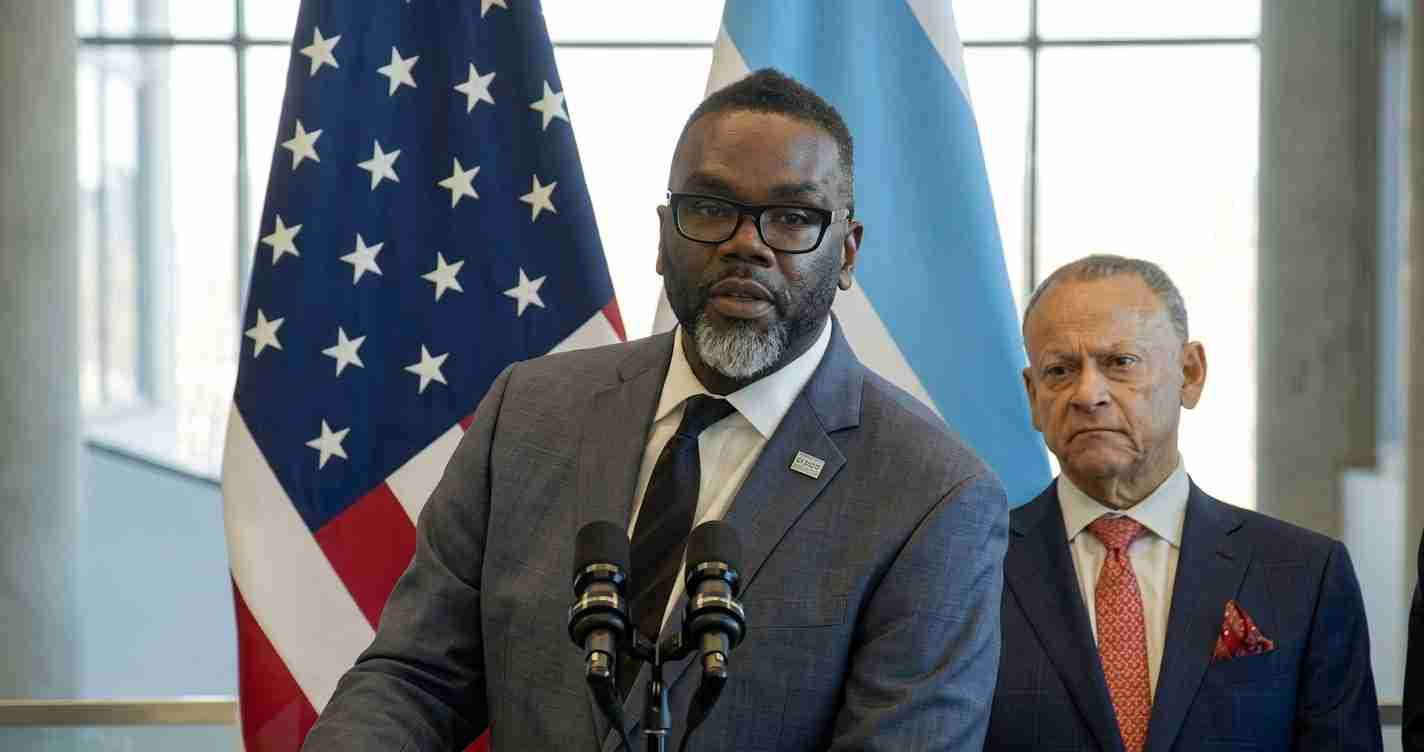
Chicago faces a deepening structural fiscal crisis as Mayor Brandon Johnson lets the City Council’s $16.6 billion 2026 budget take effect in December 2025, exposing a projected $1.2 billion deficit and mounting debt and pension pressures.
Key takeaways
- Budget enacted without mayoral signature: Mayor Johnson allowed the alternative $16.6 billion budget to take effect, avoiding a shutdown.
- Heavy reliance on one-time fixes: The council’s plan uses $535 million in tax increases and significant one-time revenues and borrowing rather than sustainable structural changes.
- Debt and pension strain: Roughly two-fifths of the general fund goes to debt service and pensions, limiting flexibility and worrying investors.
Main content
Budget showdown and council action
After months of negotiation and public sparring, the City Council passed an alternative $16.6 billion budget on Dec. 20 by a 30-18 vote — short of the 34 votes needed to override a veto. Mayor Johnson chose not to veto, allowing the plan to become law without his signature and averting an immediate government shutdown that would have halted payments to workers and contractors. (See reporting from CBS News and FOX 32.)
Johnson warned the city was at a crossroads and officials would have to “essentially do more with less,” while raising concerns that some council revenue tactics would be unrealistic and could harm low-income residents.
Revenue proposals and one-time fixes
The council’s plan leans on $535 million in new or higher taxes and the sale of receivables — unpaid fines and fees — to raise roughly $90 million. That proposal targets items such as parking tickets, ambulance fees and unpaid water bills. Johnson’s team expressed doubts that investors would purchase such receivables and questioned the city’s legal authority to collect the full amounts promised. (CBS News; Illinois Policy Institute.)
Johnson also signed an executive order blocking the sale of individual medical debt (such as ambulance fees) after officials discovered roughly $800 million in medical-related charges owed to the city, arguing that aggressive collections would disproportionately affect low-income neighborhoods. (CBS News; FOX 32.)
Rejected proposals and political limits
Mayor Johnson’s own revenue ideas failed to secure council backing. His proposed corporate “head tax” (initially $21 per employee per month, later revised to $33 for firms with more than 500 workers) and a proposed tax on social media companies aimed at public safety funding were both voted down — a setback for the mayor’s progressive revenue agenda. (Illinois Policy Institute; IllinoisAnswers.)
The city also continues to use federal pandemic relief dollars from the American Rescue Plan Act to cover operating costs — a practice critics say replaces sustainable revenue with one-time money. In 2025, pandemic funds were used for 320 full-time positions; Johnson’s 2026 proposal would have kept only 72 of those roles funded by one-time federal aid. (CBS News; IllinoisAnswers.)
Debt, pensions and borrowing concerns
Debt service and pension obligations consume about 40% of general spending, leaving constrained room for new programs or emergency spending. Analysts point to structural pressure from these long-term obligations as central to Chicago’s fiscal crisis. (CBS News.)
Critics highlighted an $830 million bond deal in 2025 that pushes off principal payments for 20 years — a move some say postpones difficult choices and increases long-term costs. Austin Berg of the Illinois Policy Institute described a “pay later culture,” and referenced the 2008 75-year parking meter lease as an earlier example of selling future revenue for short-term cash. (Illinois Policy Institute; CBS News.)
Market reaction and expert criticism
Financial markets reacted: credit spreads on Chicago debt have widened as investors price in higher risk. Observers say the market movement reflects structural fiscal concerns, not only short-term politics. City budget officials caution the council’s plan may still fall short under conservative revenue estimates; Johnson’s team warned the alternative budget could still face a $163 million shortfall, risking mid-year cuts, layoffs or further taxes. (CBS News; The Daily Line.)
What could come next
City leaders have limited options: raise taxes, cut services, restructure debt, or pursue pension reform — each with political and social consequences. Analysts emphasize multiyear plans, binding fiscal rules and realistic revenue forecasts over repeated reliance on one-time fixes. (CBS News; Illinois Policy Institute.)
Implications for San Luis Obispo, California
Although San Luis Obispo is not directly linked to Chicago’s finances, several ripple effects matter locally:
- Economic ripple effects: Widening municipal spreads nationally can raise borrowing costs for other cities issuing bonds for schools, roads or water projects.
- State and federal funding politics: Chicago’s federal funding debates could influence how Washington sets municipal aid and oversight — something local officials relying on federal grants should monitor.
- Local budgeting lessons: Avoid funding ongoing programs with one-time windfalls; maintain reserves and transparent reporting on pension and debt liabilities.
Community impact and social equity
Chicago’s dispute over selling medical and consumer debt shows collections can disproportionately harm low-income residents. San Luis Obispo leaders should consider safeguards such as limits on selling medical debt, income-based payment plans, and clear policies on aggressive collections to protect vulnerable households.
Practical steps for local officials
Recommended actions for municipal leaders:
- Monitor municipal bond markets and consult financial advisors before large debt deals.
- Review all uses of one-time revenues for long-term sustainability.
- Strengthen public reporting on pension and debt obligations so voters and businesses see fiscal risks.
- Engage community groups in budget trade-off discussions to balance taxes, services and equity.
Sources
- CBS News: Mayor Brandon Johnson declines 2026 budget veto
- Illinois Policy Institute: Chicago gets $16.6B budget after mayor signs it
- FOX 32 Chicago: Johnson won’t veto 2026 budget
- IllinoisAnswers: Chicago mayor, council clash over city budget
- The Daily Line: Chicago mayor warns mid-year layoffs under alternative budget