Occasional heavy drinking may triple risk of serious liver scarring in people with fatty liver, USC study finds
A USC analysis of more than 8,000 adults found that monthly episodic heavy drinking — binge episodes of 4+ drinks for women or 5+ for men — was associated with nearly threefold higher odds of advanced fibrosis in people with MASLD.
- Pattern matters: episodic heavy drinking (monthly binge episodes) raised advanced liver fibrosis odds ~3x in people with metabolic dysfunction‑associated steatotic liver disease (MASLD).
- Scope: Analysis used NHANES data from 2017–2023 covering >8,000 U.S. adults and focused on those meeting MASLD criteria (Keck Medicine press release).
- Local impact: Even infrequent binge episodes could increase the burden of advanced liver disease in communities with high MASLD prevalence (for example, San Luis Obispo).
Study details and findings
Researchers led by Brian P. Lee, MD, a hepatologist and liver transplant specialist with Keck Medicine of USC, examined six years of U.S. National Health and Nutrition Examination Survey (NHANES) data (2017–2023) covering more than 8,000 adults. The team restricted analysis to participants who met criteria for metabolic dysfunction-associated steatotic liver disease (MASLD) — the contemporary term for fatty liver tied to obesity, type 2 diabetes, hypertension and high cholesterol. For source and study summary see the Keck Medicine press release.
Rather than only using weekly alcohol totals, investigators categorized participants by drinking pattern. “Episodic heavy drinking” was defined as at least one episode per month of 4+ drinks in a day for women and 5+ for men. Key findings included:
- More than half of adults in the dataset reported at least one heavy drinking episode; nearly 16% of people with MASLD reported occasional heavy drinking (Keck Medicine).
- Among people with MASLD, those reporting ≥1 heavy drinking episode per month had roughly three times the odds of advanced liver fibrosis versus people who drank the same total amount spread out over time (Keck Medicine press release and USC study).
- Young adults and men were more likely to report episodic heavy drinking; higher per‑session drink counts correlated with greater fibrosis levels (USC video interview with Dr. Lee).
How binge drinking damages the liver
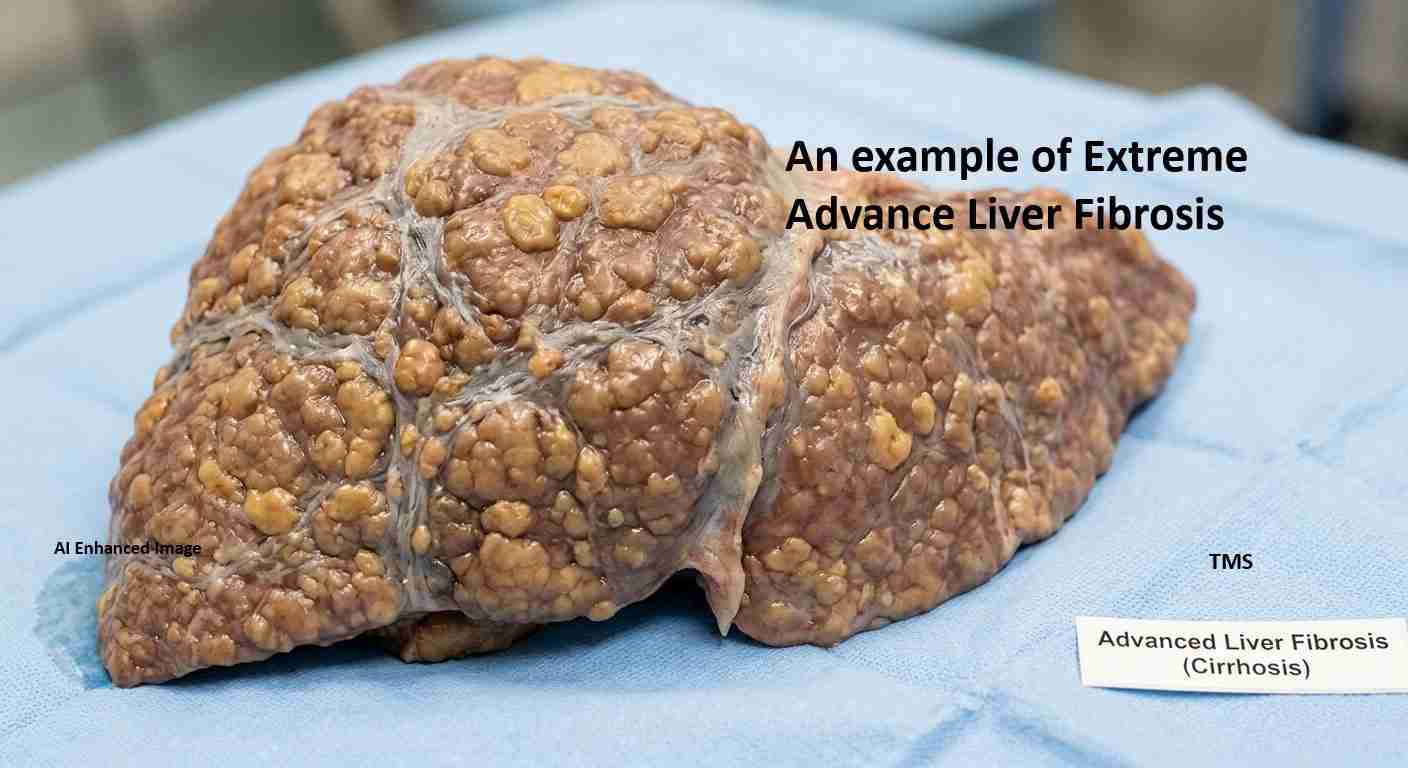
Medical experts explain that consuming large amounts of alcohol rapidly can overwhelm hepatic metabolism and trigger acute inflammation. Recurrent inflammation promotes scar tissue formation (fibrosis); advanced fibrosis represents extensive scarring from chronic inflammation and is a serious stage of liver disease (definition referenced by the American Liver Foundation via Keck Medicine).
Supporting evidence from prior research
Laboratory and animal models support the clinical observation that intermittent heavy drinking can be particularly harmful in fatty liver:
- A 2017 UCSF animal study in mice showed intermittent binge drinking induced rapid fatty liver, inflammation and higher liver triglycerides, while moderate daily drinking did not produce the same acute effects.
- A 2015 NIH review concluded binge drinking worsens injury in fatty liver and that combined high‑fat diets and alcohol can speed fibrosis via inflammation and oxidative stress.
- A 2019 cirrhosis meta-analysis showed risk climbs sharply with higher daily drinking, supporting the idea that pattern and dose both influence progression to cirrhosis.
Study limitations and caveats
The USC analysis is observational, so it identifies associations but cannot prove causation. It relied on self‑reported alcohol consumption, which may undercount or misclassify episodes. The strongest associations were observed in people with MASLD and may not generalize to those without metabolic dysfunction (Keck Medicine).
What clinicians say
Lead investigator Brian P. Lee, MD, noted that clinicians often use weekly alcohol averages, which can miss harm from episodic heavy drinking. “The pattern matters very much, and episodic heavy drinking is an incredibly common pattern right now among U.S. adults,” he said in USC’s news materials and interviews (Keck Medicine press release; USC interview video).
“The pattern matters very much, and episodic heavy drinking is an incredibly common pattern right now among U.S. adults.” — Brian P. Lee, MD
Implications for San Luis Obispo, California
Local health systems, primary care clinics, campus health services (including Cal Poly) and public health programs should recognize that even infrequent binge episodes can raise fibrosis risk for residents with MASLD. Practical responses include:
- Emphasize questions about episodic heavy drinking during routine visits (for example, “How often do you drink four or more drinks in a day?”).
- Prioritize noninvasive fibrosis screening for patients with MASLD who report episodic heavy drinking.
- Target prevention and outreach to younger adults and men, and to settings where binge episodes are common (college events, festivals, restaurant/bar scenes).
Resources and next steps
Residents and clinicians can review the original USC materials and related research for more detail:
- Keck Medicine press release
- USC interview video with Dr. Lee
- coverage summary
- UCSF animal study
- NIH review
- cirrhosis meta-analysis
Public health officials and clinicians in San Luis Obispo are well positioned to refine screening, counseling and prevention so residents understand that occasional heavy drinking can pose serious risks for people with underlying fatty liver disease.
Publication note
USC reported that the findings were published in Clinical Gastroenterology and Hepatology, as summarized by Keck Medicine.