Homeowner Confronts CNN Reporter During Live Georgia Wildfire Report, Forcing Crew Off Private Property
A CNN live report on drought-fueled wildfires in Brantley County, Georgia, was cut short after a homeowner angrily ordered meteorologist Derek Van Dam and his crew off private property, citing concern for her dogs amid fast-moving flames.
- Live shot interrupted: A homeowner forced a crew to end a live segment by shouting that her dogs were outside, prompting the team to leave the property; video of the exchange circulated online via Fox News and reporting from Mediaite.
- Crew prioritized safety: CNN meteorologist Derek Van Dam de-escalated and complied on-air, backing away while the feed returned to the studio (Noticias.FoxNews).
- Scope and hazards: Officials reported roughly 34,000 acres scorched and about 87 homes destroyed as crews battled fast-moving fires and hazardous smoke conditions (Mediaite).
What happened
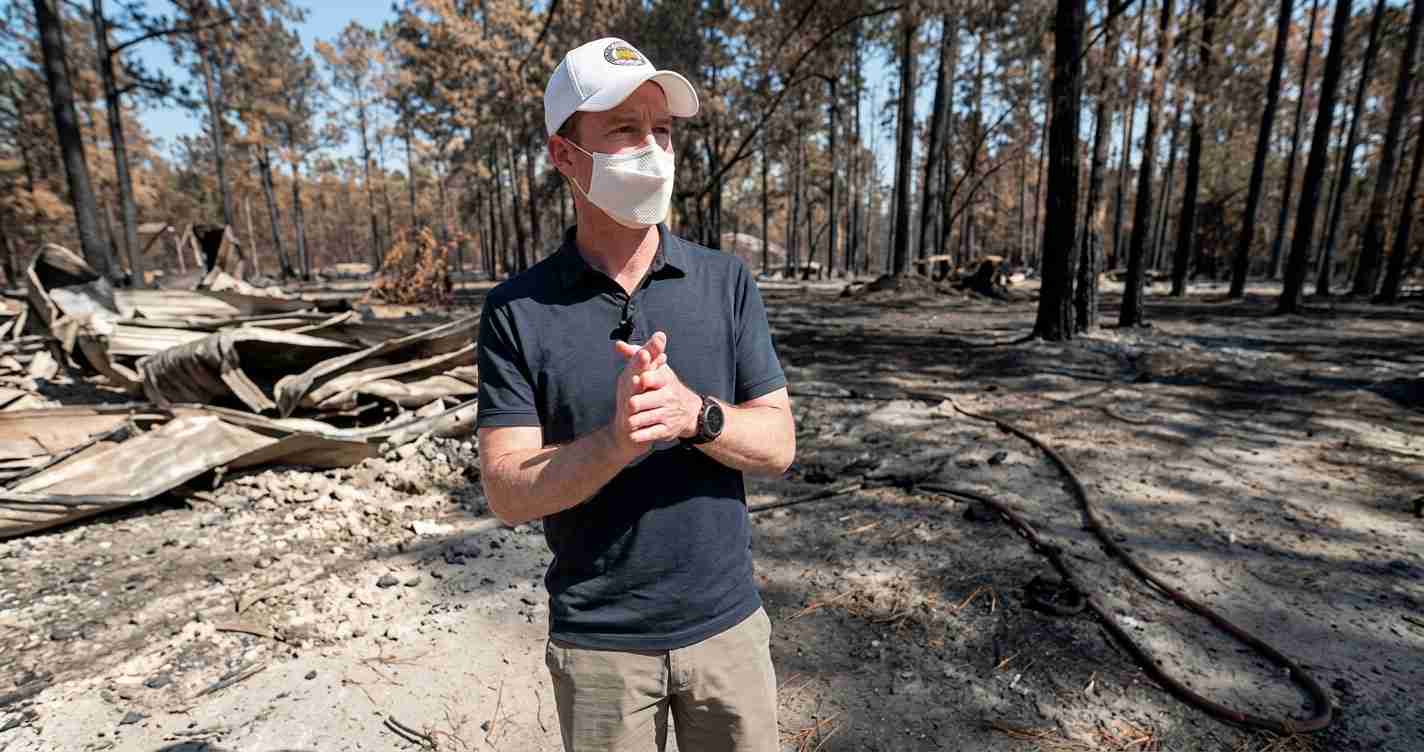
During a live field report from Brantley County, meteorologist Derek Van Dam was interrupted when a homeowner abruptly appeared and shouted that she did not want anyone near her house because her dogs were outside. The confrontation cut the segment short and the crew left the private property.
“You got it, you got it. We are OK. Yeah, we’re going to leave it here. OK? You got it,” Derek Van Dam told the homeowner while stepping back before the network cut to studio.
What the video shows
Video of the exchange, shared widely on social media and picked up by national outlets, shows the homeowner yelling, “I don’t want nobody near my house! My dogs are out there. Get away, get away!” The live shot ends as the crew withdraws. Coverage and clips were posted by Fox News, Noticias.FoxNews, and Mediaite.
Conditions on scene
Van Dam described volatile, fast-moving fire behavior with sudden wind shifts that changed air quality within minutes. He reported a “putrid chemical burning type smell” that caused nausea and lightheadedness among the crew, who donned masks on camera (Noticias.FoxNews; ModernGhana).
Officials’ response and public safety measures
Local authorities issued mandatory evacuations and curfews as firefighters battled unpredictable flames and shifting smoke plumes. Fire crews faced rapidly changing winds that can produce spot fires and endanger both residents and responders. At the time of reporting, the precise cause of the blazes remained under investigation and damage estimates were based on local assessments (Mediaite).
Why the homeowner acted
Fear and urgency often drive residents to protect pets and property in emergencies. The homeowner’s shouted warning focused on animals she said remained on the property. Available reporting and video do not identify the woman, confirm the status of her pets, or provide additional personal details (Noticias.FoxNews; Mediaite).
On-air reaction and safety protocols
Back in the studio, CNN co-anchor Pamela Brown expressed concern, saying, “Let’s hope Derek gets to safety there.” Van Dam’s immediate compliance reflects standard practice: reporters are trained to avoid escalation and withdraw from unpredictable interactions and hazards.
Reporting challenges in wildfire zones
Wildfire coverage presents many obstacles: rapidly changing weather, toxic smoke, erratic fire behavior, and residents under extreme stress. Reporters must balance the public’s need for timely information with safety and respect for private property. This incident underscores that balance as crews reported from private land before being ordered to leave.
Source notes and video circulation
Footage of the confrontation circulated on social platforms and was reported by national outlets including Fox News, Noticias.FoxNews, and Mediaite. Another outlet described apocalyptic scenes and fast-moving conditions (ModernGhana).
Legal and ethical considerations
Private property owners retain the right to revoke access. Ethically and legally, journalists should comply when asked to leave, especially during life-threatening events. The crew’s retreat demonstrates a safety-first approach consistent with de-escalation training.
Implications for San Luis Obispo, California
Local officials in San Luis Obispo can use this incident as a reminder to strengthen emergency planning and public communications:
- Emergency planning: Expand outreach about evacuations, curfews, and pet safety procedures.
- Media access and training: Reinforce field protocols on approaching private property, de-escalation techniques, and coordination with law enforcement.
- Public safety communications: Provide plain-language guidance on securing animals, pet-friendly shelters, and clearly marked pickup points to reduce on-street confrontations.
- Health precautions: Emphasize monitoring air-quality alerts, mask use during poor air events, and shelter-in-place options for vulnerable residents.
- Community support: Offer transparent briefings, mental health resources, and channels for reporting missing pets or requesting assistance.
Reporting note
This article draws on video and reporting by national outlets that covered the Derek Van Dam confrontation and the broader wildfire conditions in southeastern Georgia, including Noticias.FoxNews, Fox News, Mediaite, and ModernGhana. At publication, follow-up details — including the homeowner’s identity, the fate of pets, and updated damage assessments — were not publicly available.