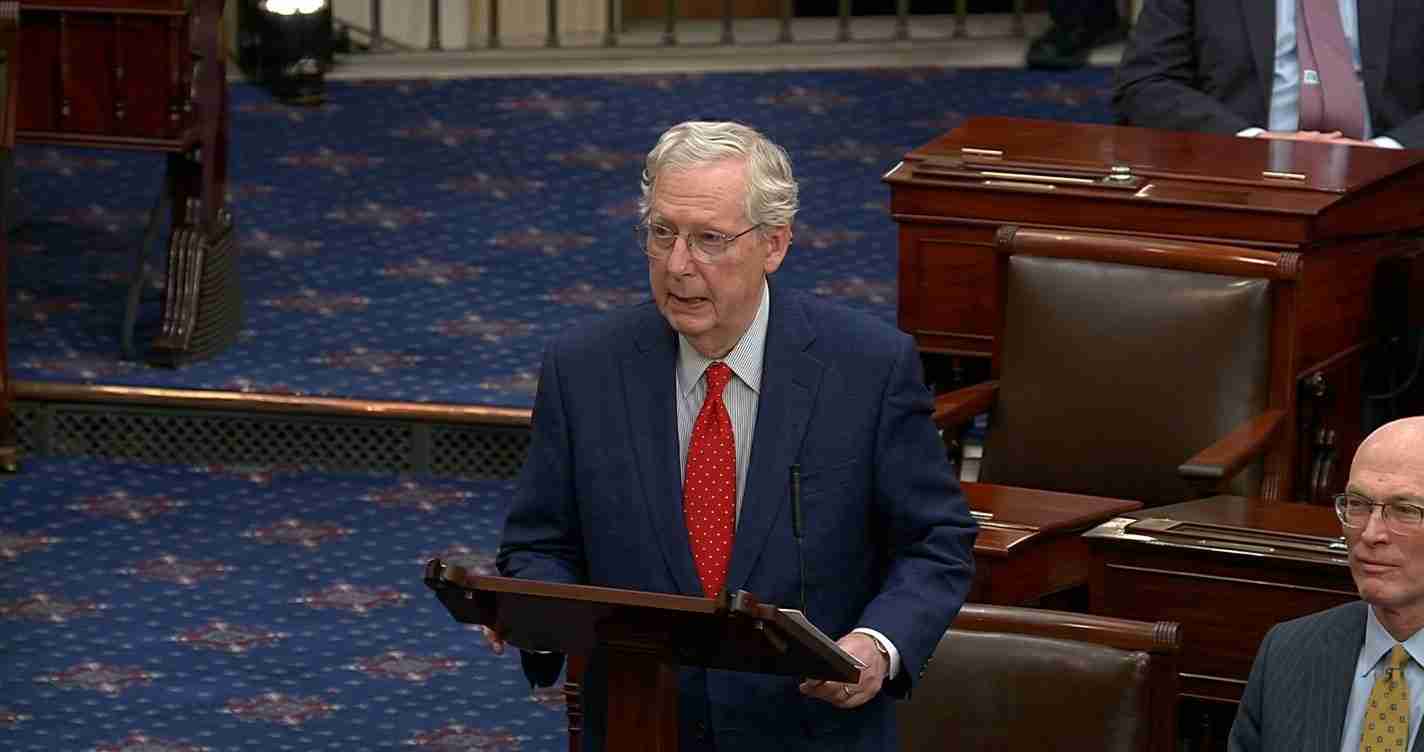
Chicago Mayor Brandon Johnson Erupts at Reporter Over Question on Deporting Alleged Rapist; Exchange Fuels Debate on Mayor Johnson sanctuary city Policies and Chicago Violent Crime
Chicago Mayor Brandon Johnson faced a heated exchange with a reporter over whether ICE should deport an alleged rapist described as an undocumented immigrant, intensifying debate over sanctuary policies, public safety, and resource allocation across the city.
- Viral exchange: A press-conference clip shows a reporter asking, “If that had been your wife … would you want ICE to deport that rapist?”; the mayor declined a direct answer and redirected the discussion. Video of the press-conference exchange
- Sanctuary policy defense: Mayor Johnson reiterated that local police should not act as federal immigration agents and stressed rebuilding trust with immigrant communities to improve public safety. Johnson defending sanctuary policy
- Public reaction split: Critics called the mayor hypocritical and demanded stricter ICE involvement for violent offenders; supporters warned that local immigration enforcement would harm trust and crime reporting. Local reactions and coverage
What happened — the exchange and immediate fallout
At a recent press conference, a reporter raised a case reportedly involving an alleged attacker identified as an undocumented immigrant from Nicaragua. The reporter asked whether Mayor Johnson would want federal immigration authorities to remove the suspect if the victim had been a family member.
“If that had been your wife … would you want ICE to deport that rapist?”
Video of the encounter shows Johnson refusing to provide a simple yes-or-no answer on deportation, saying he would not speak to the matter as framed and moving to other topics. The exchange escalated as the reporter accused the mayor of hypocrisy, noting Johnson’s substantial security detail while residents face rising violent crime. Short clips of the interaction were widely shared online. Short version of the exchange and another circulated clip.
Mayor Johnson’s stance on sanctuary policy
Johnson has consistently defended Chicago’s sanctuary policies. In public remarks he stated, “Our local police department does not double as federal ICE agents. It’s just that simple.” He frames the policy as essential to rebuilding trust with immigrant communities and to public safety, arguing that fear of immigration enforcement deters crime reporting and witness cooperation.
Policy rationale: Johnson and allies assert that separating local policing from federal immigration enforcement encourages community cooperation, which they say makes neighborhoods safer for everyone. Supporters point to legal pushback against federal pressure and civil-rights concerns when local police act as immigration agents.
Public reaction and critique
The mayor’s refusal to answer the deportation question directly prompted sharp criticism. Opponents argue sanctuary protections can shield dangerous individuals and call for more ICE involvement in violent-crime cases. At town halls and local meetings, residents voiced frustration about perceived resource strain tied to migrant services and public safety priorities.
Supporters of sanctuary policies counter that empowering local police to enforce federal immigration law would damage trust with immigrant communities and reduce crime reporting. The debate has become a flash point in Chicago politics, entwined with broader concerns about policing strategy, budget allocation, and rising violent crime rates.
Legal and national backdrop
Chicago’s sanctuary stance has attracted national scrutiny. Federal officials in prior administrations threatened heightened enforcement in sanctuary jurisdictions, triggering legal battles and heated rhetoric. Critics have urged tougher federal action; defenders cite court decisions and civil-rights issues as reasons to keep local policing separate from ICE enforcement.
The mayor’s exchange with the reporter feeds into this wider national narrative. Short, viral video clips amplify political stakes for city leaders balancing public safety, immigrant rights, and budget pressures.
What the footage shows and how it spread
The confrontation was recorded and posted across social platforms; both full-length and short clips circulated quickly, prompting commentary from supporters and critics alike. The videos highlight how brief, viral moments can shape public perception and drive policy debates.
Reporting notes and sources:
- Video of the press-conference exchange
- Short version of the exchange (shorts)
- Additional short clip
- Mayor Johnson defending sanctuary policy and police-community trust
- Local reactions and coverage addressing migrants and city resources
Officials’ follow-up and status
As of the latest footage and reporting, Mayor Johnson has not issued a public clarification that reverses his stance on sanctuary policies. He remains publicly committed to limiting local cooperation with ICE while emphasizing efforts to rebuild trust between police and immigrant communities.
Implications for San Luis Obispo, California
Economic impact: Local leaders in San Luis Obispo should monitor how Chicago’s debate influences fiscal discussions—especially arguments about spending on migrant services versus long-time residents. Budget transparency and cost tracking could become focal points.
Political consequences: The episode could shape local campaigns and policy conversations, with officials balancing calls for public safety against California’s broader immigration framework. Expect sharper scrutiny of elected officials’ positions on cooperation with federal authorities.
Social and cultural effects: The exchange demonstrates how emotional appeals sway public opinion. San Luis Obispo community groups may hold forums to weigh safety, trust in law enforcement, and services for newcomers while seeking balanced, moderate solutions.
Practical steps: Recommendations for local leaders include reviewing policies on federal cooperation, clarifying how violent-crime allegations are handled, improving police-community communication to encourage reporting, and holding public forums to discuss concerns calmly and transparently.
Preserved sources and original materials are linked above for reference and verification.