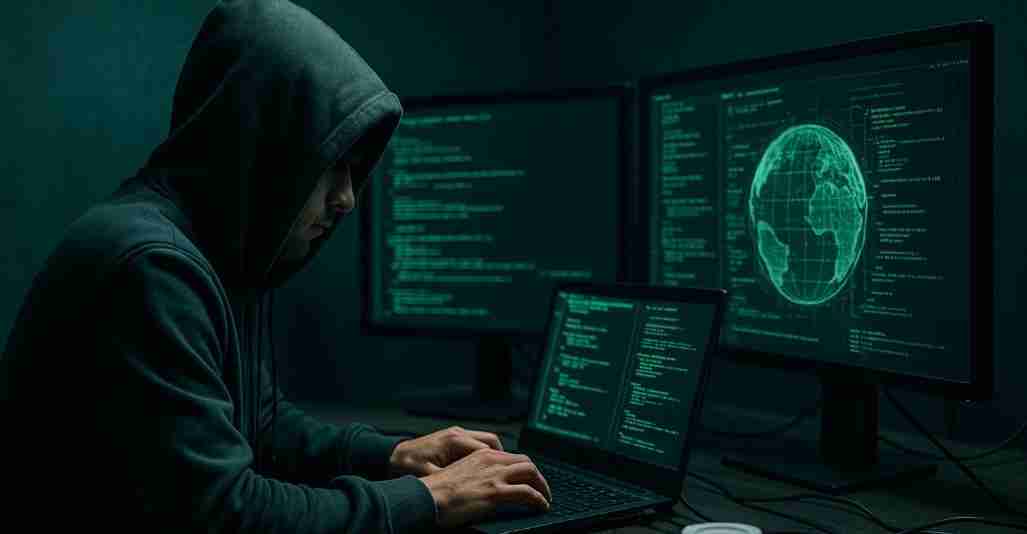
183 million email passwords leaked — Check if your email is affected and lock down your accounts now
A 3.5-terabyte compilation of roughly 183 million email passwords, assembled from infostealer malware, phishing and old breaches, surfaced on the dark web in 2025. Millions of credentials are newly exposed — act now to secure accounts.
Key takeaways
- Scope: ~183 million email passwords in a 3.5 TB dataset compiled from infostealers, phishing and prior breaches.
- Fresh data: About 16.4 million email/password pairs appear newly stolen and not previously recorded.
- Risk: Credential stuffing and reuse make exposed passwords a gateway to multiple accounts.
- Action: Check your address at Have I Been Pwned and enable strong, unique passwords and 2FA.
Key information
Investigators say cybercriminals assembled a roughly 3.5-terabyte database containing about 183 million email passwords by pooling data from infostealer malware, phishing pages and older breach records. Reporting and analysis are available from Fox News, Nasdaq, and the Economic Times.
Scale and scope
Analysts estimate the collection contains roughly 23 billion distinct login records and totals ~3.5 TB — about the size of 875 full HD movies. Security researcher Troy Hunt of Have I Been Pwned examined and verified the dataset; additional analysis appears on Video overview and security coverage at Security Boulevard.
What happened — how the infostealer malware data breach was compiled
This was not a single-platform hack. Investigators say criminals aggregated stolen credentials over time using:
- Infostealer malware that runs silently on infected devices and harvests logins, cookies and saved passwords.
- Phishing pages and credential-harvesting forms.
- Scraped and repackaged records from older breaches.
Files collected from malware-driven harvests were combined with older credential lists and repackaged into a single 3.5 TB file for sale and free sharing on dark web forums, Telegram channels and underground sites. Security teams are calling the widely circulated collection the “Synthient” dataset.
Why it matters — account takeover and wider risks
The primary danger is credential reuse. Attackers perform credential stuffing — feeding stolen email/password pairs into popular services to find matches. If you reuse passwords across email, banking, social media or cloud storage, a single exposed password can become a master key.
“A compromised email account can let attackers reset passwords on linked services, impersonate users, and escalate fraud.”
While headlines have highlighted Gmail, Google says its systems were not directly breached. Many Gmail addresses appear because credentials were stolen from infected machines or other services, not from Google’s servers. Still, exposed email accounts can lead to password resets and wide-ranging misuse.
Discovery and verification
Troy Hunt, founder of Have I Been Pwned, examined the files and confirmed millions of credentials not previously recorded in public breach databases. Security analysts report the list mixes old, recycled credentials with newly stolen ones — increasing urgency for affected users.
Check if your email is affected
The most reliable immediate step is to search trusted breach-checking tools. Use Have I Been Pwned to check your address. Many password managers and security services will add the dataset to their breach-detection feeds over the coming days, though updates can lag.
What to do now — immediate steps to protect accounts
If your email or password shows up in a breach search, take these actions immediately:
- Change passwords: Update the affected account and every account using the same password. Use strong, unique passphrases.
- Enable 2FA: Turn on two-factor authentication everywhere possible; prefer authenticator apps or hardware tokens over SMS.
- Audit activity: Review account activity, sign out suspicious sessions, and revoke unfamiliar app access.
- Scan for malware: Run reputable anti-malware on any devices you use for sensitive accounts — infostealers can persist and re-harvest credentials.
- Password managers: Consider a password manager to generate/store unique credentials and to monitor for breaches.
- Financial safeguards: If recovery or financial accounts are affected, contact banks/providers to add monitoring or holds.
Why ongoing vigilance matters
Attackers routinely repackage and resell old leak data alongside new thefts. Passwords believed long gone can resurface years later in new datasets. The mix of old and fresh records in this 3.5 TB collection underlines that unique passwords and 2FA must be standard practice.
Implications for San Luis Obispo
Local communities and small businesses in San Luis Obispo face concrete risks if business or administrative emails are exposed. Below are local implications and recommended steps.
Economic impact
San Luis Obispo County’s many small businesses rely on email for billing, customer accounts and payroll. Exposed business emails could enable invoice fraud, payroll redirection or unauthorized access to customer records. Audit staff accounts, require unique passwords, and enforce 2FA for business email and banking.
Political consequences
Public offices and local campaigns often use shared emails and volunteer accounts. Compromised credentials could be used to misinform constituents or target officials. City and county IT teams should check official accounts against breach lists and require multi-factor authentication on government systems.
Social effects
Residents who reuse passwords across shopping, social media and email face elevated identity-theft risk. Seniors and others less familiar with digital security are particularly vulnerable to phishing and malware disguised as helpful downloads. Local libraries, community centers and senior services should consider offering basic digital-security workshops to help people check accounts and stay safe.
Cultural relevance and daily life
With a strong local economy tied to tourism, agriculture and education, residents frequently share personal information online for bookings, farm management, school portals and utilities. Compromised email credentials can interrupt daily life through locked accounts or fraud. Make changing exposed passwords and enabling 2FA part of routine digital housekeeping.
Practical actions for San Luis Obispo residents
- Check addresses at Have I Been Pwned.
- Use a password manager and enable 2FA on banking, email and municipal accounts.
- Run anti-malware scans on personal and business devices; avoid downloading files from untrusted sources.
Sources and further reading
- Fox News
- Nasdaq
- The Independent
- Economic Times explainer
- Security Boulevard analysis
- Video overview
- Have I Been Pwned (search tool)
Reporting by Times Media Service