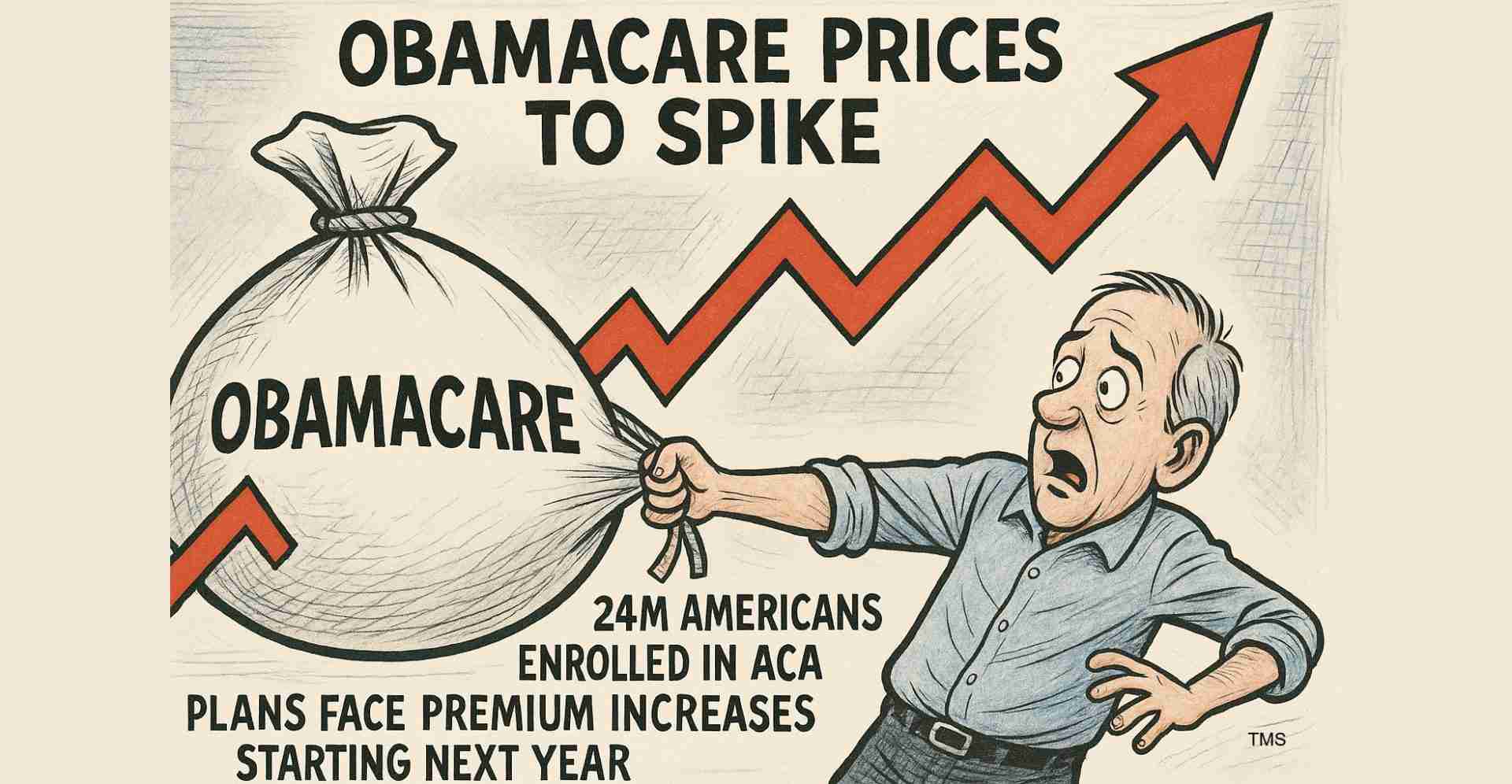
Obamacare premiums set to jump in 2026 — why 24 million people on ACA plans face steep costs
Obamacare premiums are projected to rise about 26% in 2026, threatening higher monthly costs for roughly 24 million Americans on ACA marketplace plans as enhanced premium tax credits near expiration and healthcare costs continue to climb.
Key takeaways
- Insurers propose an average 26% rise in gross marketplace premiums for 2026, with variation by state and exchange.
- About 24 million people enrolled in ACA plans would be affected; roughly 22 million currently receive premium tax credits that cushion costs.
- If enhanced credits expire, many enrollees could see their monthly payments more than double (an estimated 114% increase for some).
- State-run exchanges are projected to see smaller benchmark increases (around 17%) versus federal-exchange states (about 30%).
Main content
Key information
Insurer filings and projections: Insurers are planning an average 26% rise in the gross premiums for 2026 marketplace plans — a figure drawn from analyses by KFF and Fox Business.
Who’s affected: About 24 million people are enrolled in Affordable Care Act (ACA) marketplace plans and would feel the impact of these changes, per reporting from Fox Business and KFF.
Why premiums are rising
Expiration of enhanced premium tax credits
Enhanced premium tax credits were increased during the COVID-19 era and extended through 2025 to lower out-of-pocket costs. If Congress does not renew or replace these credits, the federal help that keeps monthly payments down will shrink or disappear for millions. Analysts warn that most current subsidy recipients would face substantially higher bills if the enhanced credits lapse — a central driver of the projected increases (Fox Business; KFF analysis on subsidy expiration).
Rising underlying medical costs
Insurers are setting higher sticker prices partly because the cost of delivering care has risen: hospital operating costs, increased utilization, and the price of new medicines — including GLP-1 drugs used for weight loss and diabetes — push projected claims upward and feed into 2026 premium filings (KFF; Fox Business).
Insurers’ assumptions about who will stay enrolled
Some filings add roughly four percentage points to premium increases to account for the risk that healthier, younger enrollees will drop coverage if subsidies end, leaving a relatively sicker pool of enrollees and higher average costs (Fox Business; KFF).
What the 26% number means for people
Gross vs. net premium
Gross refers to the sticker price insurers propose; net is what enrollees actually pay after premium tax credits. Because about 22 million of the 24 million enrollees receive credits, an extension of enhanced credits would blunt the effect of higher gross premiums for many consumers (KFF; Fox Business).
Sharp impacts if subsidies end
If enhanced subsidies expire, many enrollees face dramatically higher monthly costs — analyses estimate the average benchmark plan payment could more than double (an estimated 114% increase for many households). Middle-income households earning above four times the federal poverty level would lose enhanced help entirely (KFF study; Fox Business).
Plan affordability and deductibles
Some lower-income consumers who lose enhanced help may shift to bronze plans with lower monthly premiums but very high deductibles — sometimes exceeding $7,000 — exposing families to steep costs if they need care (KFF).
Variation by state and California
States that run their own marketplace exchanges are seeing smaller proposed benchmark increases (about 17%) than states on the federal exchange (about 30%). California runs its own exchange, Covered California, so statewide benchmark increases are expected to be nearer the lower end — but local plan mixes and costs still matter (KFF; Fox Business).
Federal policy in play
The scale of the impact depends on congressional action to extend enhanced premium tax credits. Lawmakers weighing budget tradeoffs face political pressure: letting subsidies lapse would raise consumer costs and provoke backlash, while extending them carries budgetary cost. The Centers for Medicare & Medicaid Services (CMS) has published plan-year materials that model scenarios — including a projected average after-credit premium of about $50 per month for the lowest-cost marketplace plan if enhanced credits continue (CMS fact sheet).
Implications for San Luis Obispo, California
Economic impact
San Luis Obispo County’s economy — with many workers in tourism, hospitality, agriculture and small businesses — could feel immediate pressure from rising out-of-pocket premiums. Hourly workers, small-business owners and those without affordable employer plans may face reduced disposable income and tightened household budgets.
Political consequences
Local officials may face constituent pressure to pursue state or county responses. California leaders could choose to extend state-level subsidies or increase outreach through Covered California to cushion impacts; residents will likely expect clear guidance if federal subsidies lapse.
Social effects and cultural relevance
Rising premiums risk reduced access to care, delayed prescriptions, and worsening chronic conditions. For seasonal farmworkers and others with variable incomes common in SLO County, sudden premium jumps could quickly push coverage out of reach. Healthcare affordability is a salient local concern for families, students and workers balancing housing, childcare and medical costs.
Practical applications for local residents
- Check eligibility now: Update 2026 income estimates and review Covered California materials to see how changes could affect your costs — act early.
- Compare plans early: Look beyond monthly premiums to deductibles and out-of-pocket maximums; different metal levels can shift cost risk.
- Seek local help: Contact community clinics, Covered California navigators and county public health for free enrollment guidance.
- For small employers: Review group plan options and budget for possible premium shifts that could affect hiring and benefits.
Quote: “If enhanced premium tax credits are not extended, most enrollees who now receive subsidies would face much higher out-of-pocket bills,” analysts warn — a change that could reshape who remains insured and who drops coverage.
Sources and further reading
- KFF: “ACA insurers are raising premiums by an estimated 26%”
- KFF: “ACA marketplace premium payments would more than double on average next year if enhanced premium tax credits expire”
- Fox Business: “Obamacare prices set to spike — here’s why”
- CMS: “Plan year 2026 marketplace plans and prices fact sheet”
- AOL summary: Obamacare prices set to spike
Reporting draws on the above analyses and government fact sheets. Local readers should consult Covered California and county resources for personalized guidance.