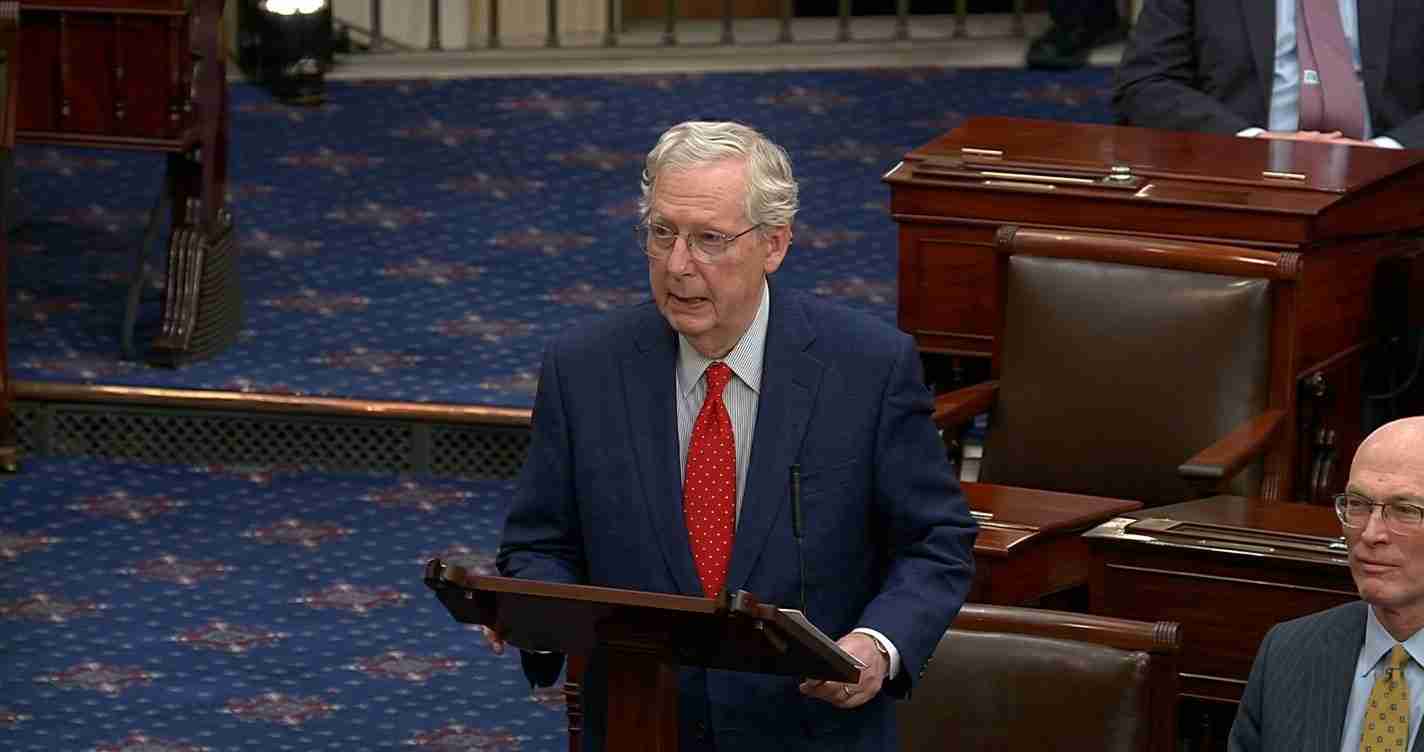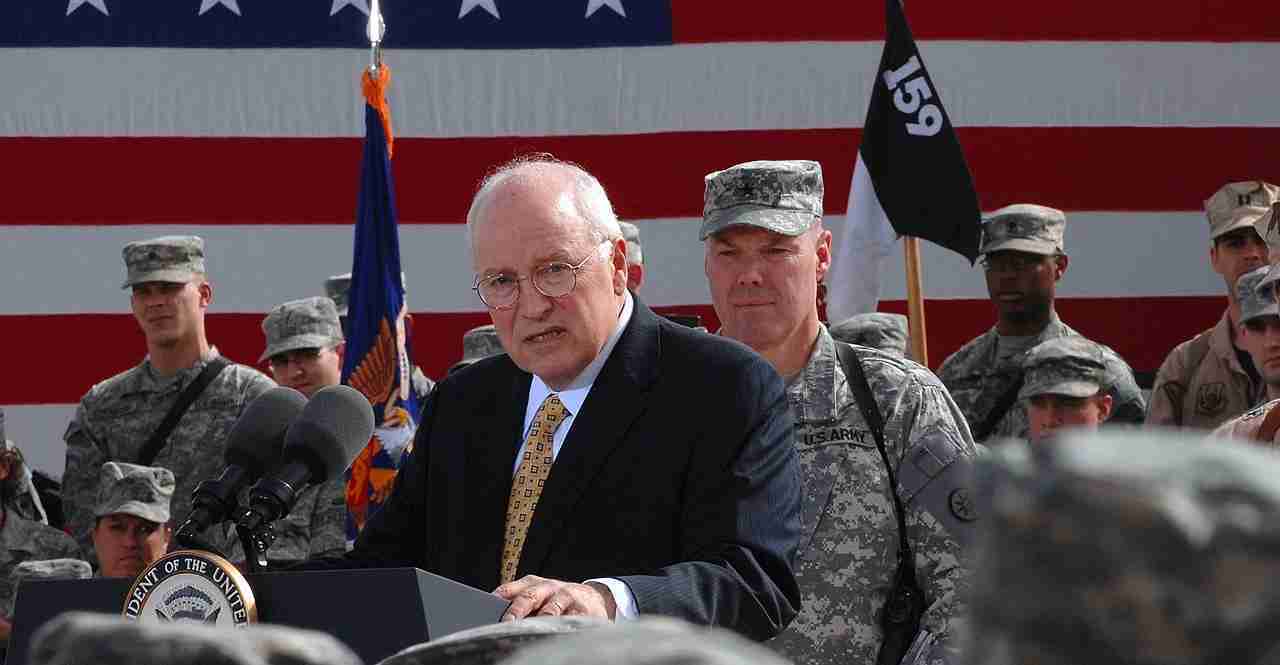
Dick Cheney dies at 84 — a career built on the accumulation and use of power by the most influential vice president in U.S. history
Dick Cheney, the former U.S. vice president and architect of post‑9/11 security policy and the 2003 Iraq invasion, has died at 84 from complications of pneumonia and cardiac and vascular disease, leaving a deeply consequential and contested legacy.
- Cheney’s roles: Served as White House chief of staff, six-term congressman and House minority whip, secretary of defense, Halliburton CEO, and vice president under George W. Bush — a trajectory that concentrated influence across government and industry.
- Security and controversy: A driving force behind the War on Terror and the 2003 Iraq invasion; championed expanded surveillance, detention, and interrogation programs that remain deeply disputed.
- Health and personal story: Survived multiple heart attacks, underwent a heart transplant, and had high-profile personal incidents that shaped public perception.
- Legacy and local relevance: Remembered as the most powerful modern vice president; his career prompts debate about executive power, civil liberties, and local policy lessons for places like San Luis Obispo.
From congress to the White House: building influence
Richard B. “Dick” Cheney built a long, steady path to the center of American power. He first gained national prominence as a Republican congressman from Wyoming and as House minority whip. He served as White House chief of staff under President Gerald Ford, later became secretary of defense under President George H.W. Bush and led U.S. forces during the 1991 Gulf War.
Between government roles, Cheney entered the private sector and became CEO of Halliburton, a major oil services company. Those posts created deep ties across government, business and the military and shaped a political philosophy summarized by his belief that power should be accumulated and used decisively.
Sources cited throughout this piece include reporting and biographical records such as WDRB and Wikipedia.
Redefining the vice presidency
When Cheney became vice president in 2001 he reshaped an office that had often been sidelined into one of modern government’s most powerful seats. Colleagues and analysts described him as the administration’s “chief operating officer”, wielding heavy influence over defense, intelligence, energy and foreign policy.
Cheney centralized decision-making within the White House and frequently clashed with officials who preferred different approaches. Public accounts and later reporting point to tensions with Secretary of State Colin Powell and National Security Adviser Condoleezza Rice over force and intelligence handling — a dynamic visible in public interviews and archived clips, including material available on YouTube.
The Iraq War architect and the War on Terror
After Sept. 11, 2001, Cheney was a driving force behind the Bush administration’s aggressive national security posture. He championed expanded surveillance, detention and interrogation programs, including warrantless wiretapping and so‑called “enhanced interrogation techniques” that human rights groups and many critics labeled as torture.
Cheney strongly advocated for the 2003 invasion of Iraq, helping to argue that Saddam Hussein posed an imminent threat due to alleged weapons of mass destruction. Those claims were later discredited when such weapons were not found. Supporters say Cheney acted to protect the nation; critics argue the war was a costly strategic error with enduring consequences for U.S. credibility and regional stability. See reporting from Euronews and The Independent.
Power, secrecy and controversy
Cheney’s tenure was characterized by a preference for secrecy and a willingness to expand executive authority. Inside the administration he influenced intelligence assessments and legal interpretations that broadened presidential power; outside Washington, those moves intensified debates about civil liberties and the limits of executive action.
Critics also highlighted potential conflicts of interest tied to his Halliburton tenure and energy-sector relationships, especially during policy decisions on energy and Iraq reconstruction. For context and coverage, see WDRB and Wikipedia.
Health, personal episodes and public image
Cheney’s health struggles were highly public. He survived five heart attacks and underwent a heart transplant after leaving office. Reports indicate he had the wireless function of an implanted defibrillator disabled over security concerns.
Other episodes shaped his image: in 2006 Cheney accidentally shot a hunting companion, an event widely reported that both humanized and complicated perceptions of him. See background in Euronews and WDRB.
Polarization and how history may judge him
Cheney leaves behind a sharply divided legacy. To many conservatives and national-security hawks he was a decisive guardian of American safety; to many others he symbolized the excesses of post-9/11 policy — expanded executive power and a war that produced long-term costs.
“Journalists and historians have called him the most powerful vice president in U.S. history,” a characterization rooted in his central role in shaping modern expectations of the office.
Later years: break with party lines
In retirement Cheney became an outspoken critic of former President Donald Trump, condemning the Jan. 6, 2021 attack on the U.S. Capitol and supporting bipartisan efforts to protect democratic institutions. Together with his daughter, Liz Cheney, he at times endorsed candidates across party lines and spoke about threats to the Republic. See reporting from ABC News and archived interviews on YouTube.
Implications for San Luis Obispo, California
Cheney’s influence on national energy and foreign policy has practical lessons for regions like San Luis Obispo County. Local leaders in a growing clean-energy and coastal economy might emphasize investments in resilient local energy systems and reducing reliance on geopolitically sensitive fuels — a point of interest to businesses and policymakers working on renewables and coastal resilience.
Politically, his death may spur local reflection on the balance between security and civil liberties. San Luis Obispo’s moderate-leaning voters, city councils, county supervisors and campus groups at Cal Poly may use this moment to review emergency powers, surveillance policies and oversight mechanisms.
Culturally, Cheney’s complex image — a man who survived severe illness, wielded great power and provoked strong opinions — fits into SLO’s mix of conservative and progressive communities. Expect local media, civic forums and schools to stage debates, town halls and civic-education programming about executive authority and constitutional checks and balances.
Practical applications for residents
Residents in defense contracting, energy or public policy should watch for continued public interest and potential policy shifts regarding intelligence oversight and executive power. Students and young professionals can study Cheney’s career as an example of mobility between public service, private industry and political influence — and as a prompt to discuss ethics, transparency and accountability.
Sources and reporting
This account draws on reporting and public records, including WDRB’s obituary coverage, Euronews analysis, The Independent, archival biography material from Wikipedia, context from the Houston Chronicle, reporting on post-2016 stances from ABC News, and public interviews and clips on YouTube.
Ongoing debate
Dick Cheney’s death closes a chapter on a consequential political life. How history ultimately judges his role as an assertive vice president, an architect of the Iraq War and a defender of expanded executive power will continue to animate debate among scholars, policymakers and citizens.
For follow-up coverage: readers in San Luis Obispo and beyond should expect local events, panel discussions and opinion pieces exploring the broader questions Cheney’s career raised about power, security and democracy.