Russia’s first AI robot faceplants on stage in humiliating Moscow debut
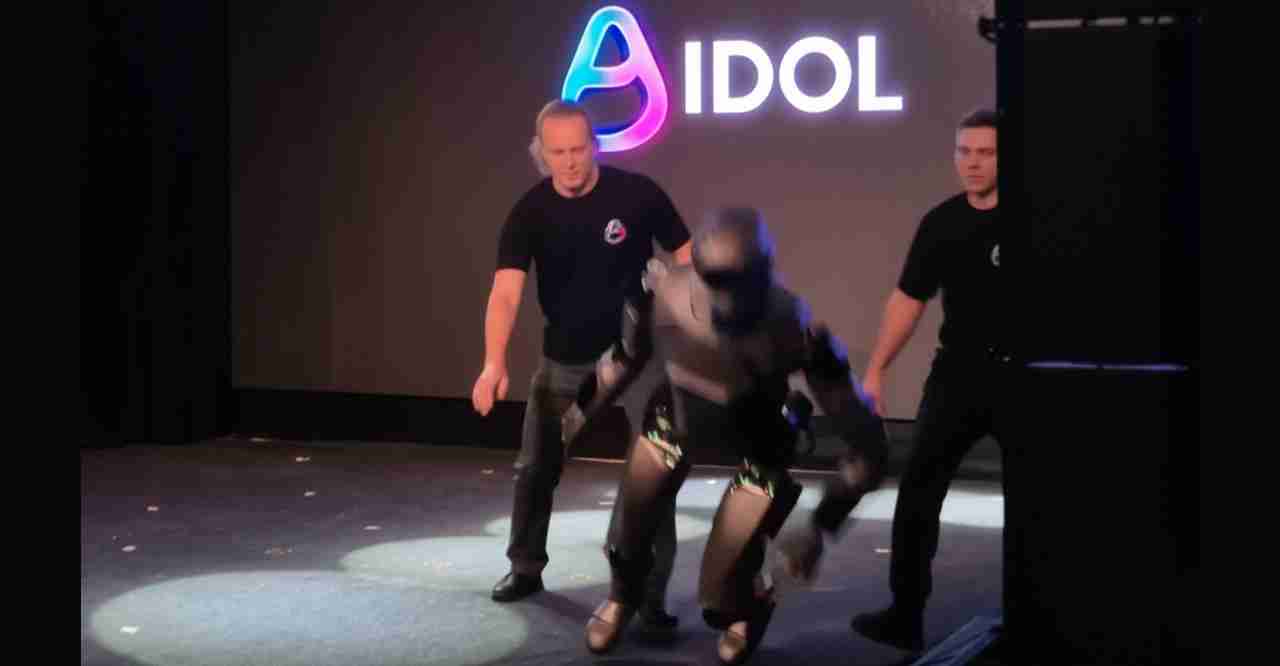
AIDOL, Russia’s first AI-powered humanoid, dramatically collapsed face-first seconds into its Moscow debut on November 13, 2025, a viral onstage failure blamed on balance and motion-control calibration issues that exposed wider tech and political pressures.
- What happened: The 1.7‑meter humanoid AIDOL stumbled and fell face-first seconds after stepping onto a Moscow stage.
- Cause: Engineers cite calibration problems in balance and motion‑control systems; venue lighting and floor surface were also noted.
- Why it matters: The incident became a viral symbol of broader Russian robotics challenges, from sanctions to talent outflows.
- Local relevance: San Luis Obispo firms and educators can treat the episode as a lesson in rigorous testing, supply‑chain opportunity and workforce readiness.
The fall: a public stumble captured on video
The Moscow unveiling was staged as a showpiece for Russian robotics. Video shows the humanoid walking into a spotlight to the strains of the “Rocky” theme, raising an arm to greet the audience and then pitching forward, crashing face‑first onstage within seconds. Staff quickly moved to cover the scene with a black curtain while attendees watched in stunned silence.
“A good mistake becomes knowledge, and a bad mistake becomes experience,” project CEO Vladimir Vitukhin said after the incident, framing the fall as part of ongoing development.
Short clips spread across social platforms within minutes and were replayed by international outlets. Multiple reports documented the same sequence and the fast efforts to hide the malfunction from cameras; the footage amplified the episode far beyond the forum auditorium.
Developer response and project context
The AIDOL team attributed the incident to calibration problems in balance and motion‑control algorithms. Engineers also noted environmental factors — stage lighting, floor surface and the unpredictability of a public venue — that may have complicated the robot’s sensors and controllers.
Technical analysts emphasized that public demonstrations often expose issues not seen in controlled lab tests. Humanoid robots require continuous adjustment of joint torques, sensor fusion and step timing; even a small error in calibration or control software can produce a rapid fall.
Design, capability and stated goals
AIDOL was presented as a 1.7‑meter multipurpose humanoid intended for factories, warehouses, hospitals and entertainment venues. Developers marketed the robot as combining AI interaction with hardware for walking and object handling, aiming to demonstrate a homegrown competitor to machines from Japan, China and the United States.
Industry observers pointed out a gap between marketing and operational readiness: while some international projects show humanoids that walk and recover from stumbles, reliable operation in live events demands heavy investment in software, sensors and repetitive testing.
Broader context: why the fall matters internationally
Beyond embarrassment, the incident highlighted deeper structural challenges facing Russian robotics: international sanctions, limited access to advanced components, and a steady outflow of engineers. Analysts noted that global investment in humanoid robotics surged — with more than $1.6 billion invested in 2024 alone — while Russia’s comparable funding remains far smaller.
Commentators also cautioned against the risks of state-driven tech showcases, where political pressures can push teams to present prototypes publicly before they are ready, increasing the chance of high-profile failures.
Media reaction and viral spread
The AIDOL fall trended across social platforms within hours. International news outlets and robotics commentators replayed the footage and debated its implications: some treated it as an embarrassing slip, others as a cautionary tale about the complexity of making humanoid robots operate reliably in real spaces.
Coverage appeared across mainstream and specialist outlets, amplifying the episode and framing it as a humbling moment in the global robot race.
Implications for San Luis Obispo, California
Economic and industry impact: Local firms and startups can view the incident as a reminder of the value of slow, deliberate testing. Regional suppliers of sensors, components and software may find opportunities as global firms diversify supply chains, though competition will increase.
Political consequences: Policymakers face a choice between funding high‑visibility demos and backing incremental R&D. San Luis Obispo leaders may favor investments in workforce development, testbeds and university partnerships to grow durable tech jobs.
Social and workforce effects: Colleges and technical schools can use the episode to emphasize safety protocols, redundancy and real‑world readiness. Demand for skills in AI, controls engineering and integration is likely to grow despite the setback.
Cultural relevance: The region’s preference for practical problem‑solving aligns with a cautious view of public tech demos; local arts and entertainment groups should prioritize safety and rehearsals before live robotic performances.
Practical advice for residents: Consumers and small businesses should be cautious about early adoption of humanoids; insist on thorough testing, warranties and phased rollouts for public services or caregiving roles.
Reporting and sources
This article is based on reporting compiled by Times Media Service and on accounts from multiple outlets that covered the event. Related coverage and video are available from:
Preserved original facts, information and source URLs are listed above for verification and further reading.