
Michigan education official’s stumble over “how many genders” fuels viral backlash, rekindles debate over sex-ed guidance
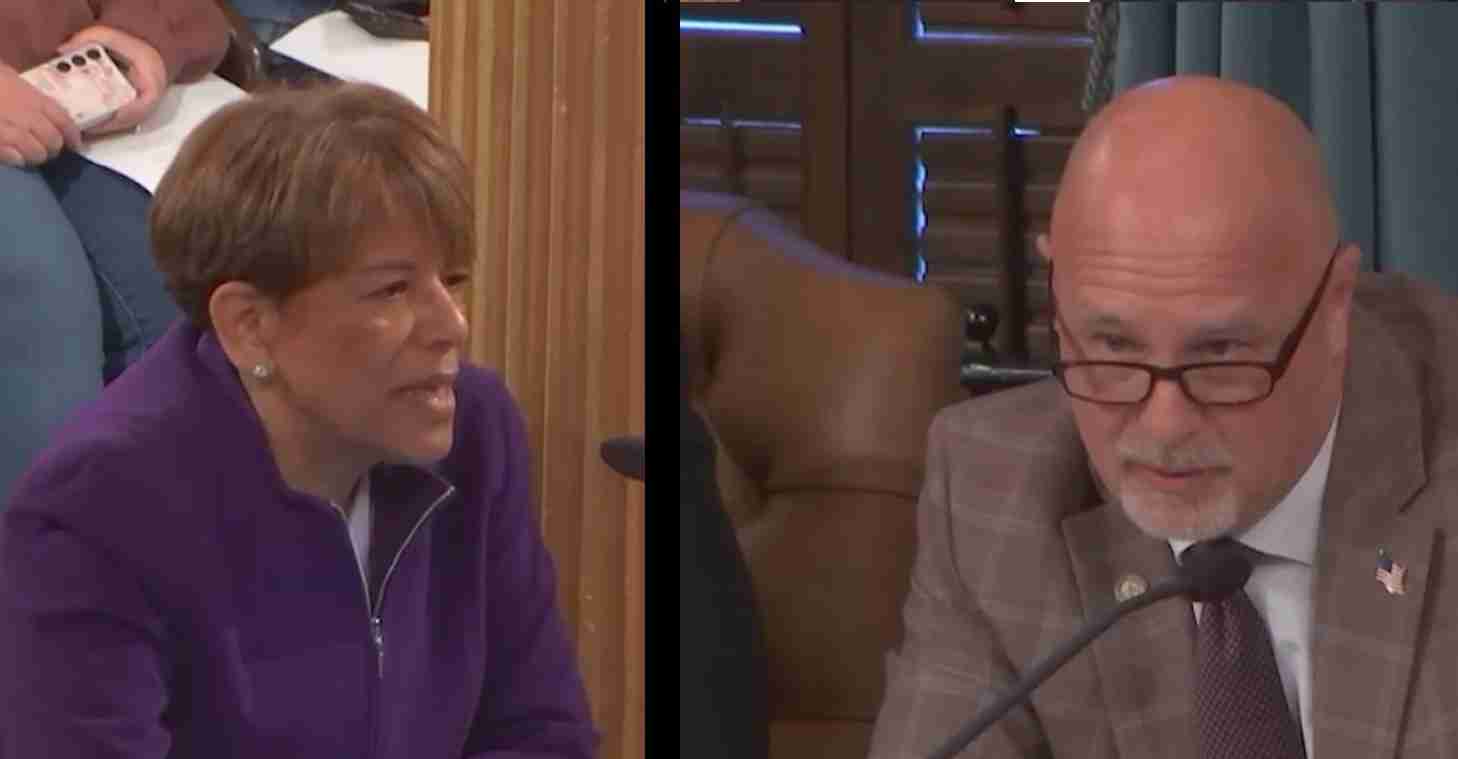
Michigan’s Chief Deputy Superintendent Dr. Sue Carnell stumbled when asked how many genders exist during an Oct. 28, 2025 hearing, a clip that went viral and intensified disputes over newly approved state sex education guidance on gender identity.
- Viral moment: A short clip of Dr. Sue Carnell answering Rep. Jay DeBoyer’s question drew millions of views and sharp criticism.
- Standards clarified: The State Board of Education approved updated sex-ed guidance recommending instruction on gender identity while leaving adoption to local districts.
- Political fallout: House Republicans subpoenaed the Michigan Department of Education for internal communications about the guidance.
What happened at the hearing
On Oct. 28, 2025, during a session on proposed health and sex education guidance, Republican state Rep. Jay DeBoyer asked Michigan Chief Deputy Superintendent Dr. Sue Carnell “how many genders exist.” Carnell did not provide a numeric answer; instead she said people hold different beliefs and emphasized the department’s intent to provide research-based tools and to respect local decisions and family rights. Critics seized on the brief exchange as evidence of confusion or ideology; supporters said the clip omitted broader context and the department’s emphasis on inclusivity (Fox News).
Viral impact and public reaction
The clip quickly circulated on social media, surpassing two million views after being reposted on X by LibsofTikTok and drawing pointed criticism from conservative commentators who called the exchange “beyond embarrassing.” Supporters of the department argued critics were focusing on a soundbite and highlighted Carnell’s broader message about inclusion and local control (Fox News; Bridge Michigan).
What the revised Michigan sex education standards say
The State Board’s updated guidance recommends that by eighth grade students should be able to define gender identity, gender expression, and sexual orientation, and understand the distinction between biological sex and gender identity. The guidance frames these topics as part of comprehensive health education intended to reduce stigma and support student well-being. Importantly, the guidance is recommended, not mandated: local school boards decide whether to adopt it, parent representation is required on advisory committees, and opt-out provisions remain in place (Detroit Free Press; Bridge Michigan).
Public comment and the broader debate
Public feedback during the draft period was extensive and deeply divided. The Department of Education reported over 1,300 survey responses and more than 2,000 emails. At board meetings, speakers both opposed and supported the guidance—opponents cited religious liberty and parental rights while supporters, including parents of transgender students, said the guidance would help make schools safer and more inclusive (Bridge Michigan; WWMT; Chalkbeat Detroit).
Legislative oversight and subpoenas
The viral controversy intensified legislative scrutiny. House Republicans issued a subpoena to the Michigan Department of Education seeking internal communications about the development of the standards, signaling concern about process, transparency, and whether the state overstepped by recommending content for local classrooms. Department officials, including Carnell, have defended the guidance as developed with input and review and designed to respect local control and parental rights (Michigan House GOP; Michigan Capitol Confidential).
Legal and social context
Michigan amended the Elliott-Larsen Civil Rights Act in 2023 to add protections based on gender identity. Proponents of the updated standards argue that this legal backdrop reinforces the need for students and staff to understand gender identity to prevent discrimination and harassment. The episode also reflects national tensions over curriculum, parental rights, and how schools address LGBTQ+ topics; the viral clip crystallized a complex policy debate into a single public moment (Bridge Michigan).
Implications for San Luis Obispo, California
Economic impact: Direct fiscal effects in San Luis Obispo County are likely minimal since Michigan guidance does not apply in California; however, national debates can influence local philanthropy, grants, and consulting markets serving schools.
Political consequences: Local school board races and forums may see heightened turnout and sharper rhetoric as community groups borrow national talking points.
Social effects: Families, particularly those with transgender or gender-questioning children, may feel heightened scrutiny; districts could receive increased requests about policies on privacy and facility access.
Cultural relevance: San Luis Obispo’s mixed political landscape may magnify local debates about balancing inclusivity with parental concerns; faith-based and parent groups may press for clearer local rules.
Practical applications and next steps
Districts in San Luis Obispo County can proactively respond by:
- Reviewing and publicizing local health and sex education policies, opt-out procedures, and advisory committee membership.
- Holding community information sessions and increasing parent representation to reduce confusion.
- Preparing clear, age-appropriate messaging about what is taught and how families can review materials.
Alternative interpretations
Two dominant readings emerged: one views Carnell’s answer as evidence of unclear guidance or ideological bias; the other argues the clip misrepresents the department’s role in offering research-based resources while leaving adoption decisions to local communities (Bridge Michigan; Michigan Capitol Confidential).
Reporting and next steps for local leaders and journalists
Journalists and community leaders should track school board agendas, public comment schedules, and any statewide policy moves in California related to curriculum, parental rights, or student privacy. Clear district communication about curriculum content and opt-out processes can help reduce confusion and calm debate.


