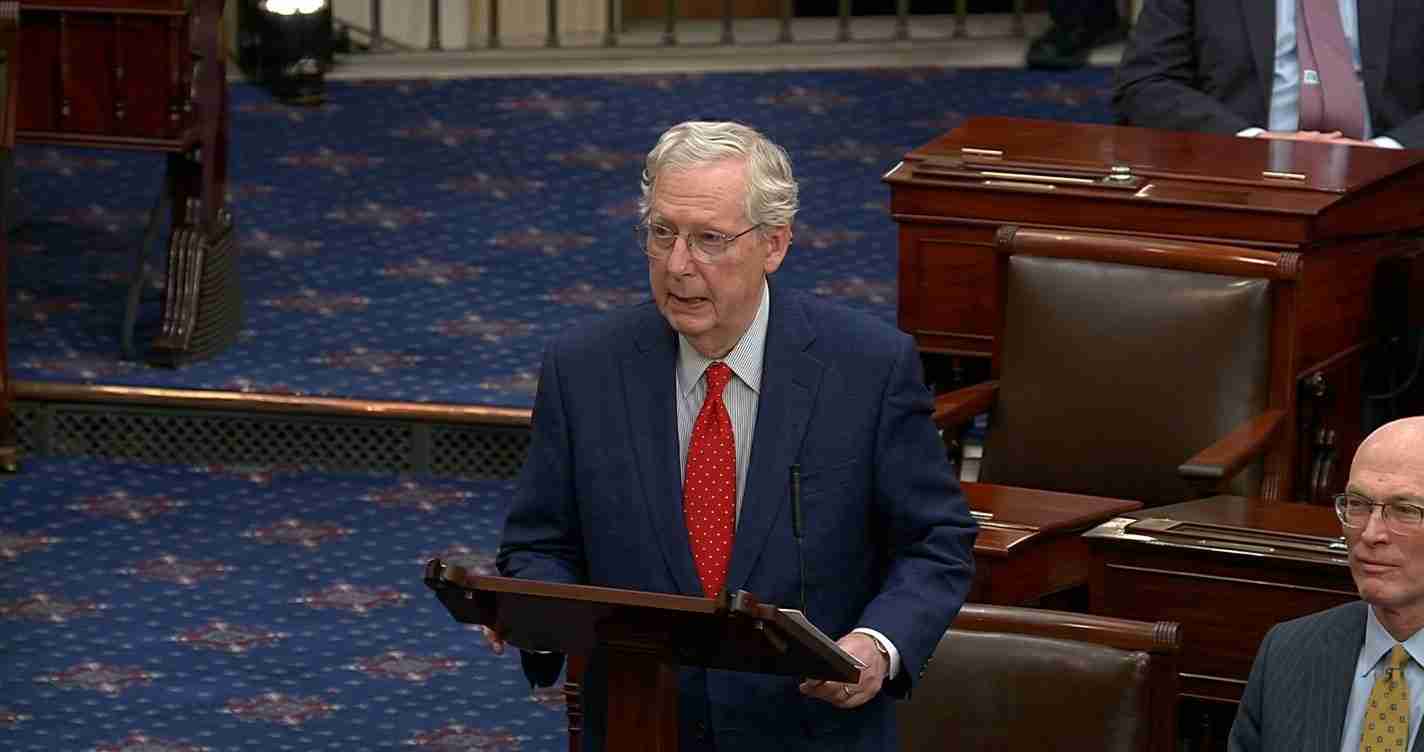
Indiana Senate Rejects Trump-Backed Redistricting Plan in Major GOP Defeat
Indiana’s State Senate rejected a Trump-backed congressional redistricting plan 31–19, with 21 Republicans joining all 10 Democrats to defeat House Bill 1032, leaving the current map intact for the 2026 elections and signaling a test of party influence.
Key takeaways
- Vote outcome: Senate rejected House Bill 1032, 31–19, with 21 Republicans joining 10 Democrats to defeat the measure — reported by Axios and ABC News.
- Map effect: The proposal aimed to redraw districts to add up to two GOP-leaning seats, potentially shifting the delegation toward Republicans (analysis cited by Axios).
- Political stakes: The vote tested former President Trump’s influence over state Republicans amid public pressure and threats of primary challenges (Axios; ABC News).
- Next steps: Because lawmakers convened a regular session rather than a special redistricting session, the proposal cannot be reconsidered this session — video coverage linked as video coverage.
What happened
On a 31–19 vote, the Indiana State Senate rejected House Bill 1032 — a partisan congressional redistricting plan backed by former President Donald Trump and allied national groups. Twenty-one Republican senators joined every Democratic senator to defeat the measure, an outcome that left leaders and outside backers publicly surprised.
What the map would have done
House Bill 1032 proposed a new congressional map that critics said would have broken up or diluted two Democratic-leaning districts and made many districts more favorable to Republicans. Analysts told local media the plan could plausibly have shifted Indiana’s delegation from 7–2 GOP–Democrat to as much as 9–0 or 8–1, effectively adding about two safe GOP U.S. House seats compared with current lines (Axios).
Supporters argued the map would better align districts with Indiana’s overall partisan tilt and improve Republican chances in federal races. Opponents described it as a partisan gerrymander that split counties and cities and undermined local community ties. The technical plan was attached to House Bill 1032, which had passed the Indiana House before moving to the Senate (Axios).
The vote and intra‑GOP split
The 31–19 defeat underscored a significant split within Indiana’s Republican caucus. In a surprise to national observers, 21 GOP senators joined all 10 Democrats to kill the proposal. Many senators cited constituent concerns and the preservation of local community ties as decisive factors.
“We finally have a resolution now,” said Senate President Pro Tem Rodric Bray after bringing the bill to the floor and voting against it; Bray added that Republicans want a U.S. House majority but “differ on how to get there” (Axios).
Some Republican senators voiced worries that proposed lines paired communities without shared ties or would force incumbents into difficult contests, which they said would harm representation more than benefit national strategy.
Trump’s involvement and pressure campaign
Former President Donald Trump actively lobbied for approval, publicly singling out skeptical state senators and using social media and statements to press the case. National GOP-aligned organizations financed the redistricting effort and threatened to back primary challengers against senators who opposed the map, elevating the stakes for those weighing their votes (Axios; ABC News).
Key players and notable statements
Rodric Bray (Senate President Pro Tem) brought the bill forward but voted against it, saying the vote resolved the matter for now. Governor Mike Braun, a backer of the map, criticized senators who opposed the plan and warned of political consequences. Sen. Greg Goode (R–Terre Haute) said he voted no because constituents did not want to be placed into a district with Indianapolis and its suburbs, emphasizing local ties over national strategy (Axios).
Procedural and legal implications
Senate leaders noted procedural limits: because the legislature convened a regular session rather than a special redistricting session, House Bill 1032 cannot be reconsidered during this session, leaving the current congressional map in place for the 2026 elections (Axios; video).
There is no immediate fallback map. Any future redistricting push would require a new legislative vehicle or another procedural path, raising the likelihood that Indiana will use current lines for 2026 unless leaders outline alternative tactics.
What could happen next
Supporters of the proposed map signaled they may target senators who voted “no” with primary challenges or other pressure ahead of future elections. Governor Braun warned “it’s not over if they don’t do it,” pointing to potential alternative tactics. For now, the vote stands as an uncommon public rebuke of Trump by a sizable bloc of Republican state legislators in a state he carried comfortably.
Implications for San Luis Obispo, California
Economic impact: While Indiana’s map fight is geographically distant, shifts in the U.S. House balance can influence federal budget priorities — affecting infrastructure, agriculture, disaster relief and coastal programs that matter to San Luis Obispo County farmers, small businesses and the Cal Poly community.
Political consequences: The vote highlights how state legislators may prioritize local ties over national pressure — a lesson for moderates and local candidates in San Luis Obispo seeking to defend regional interests against out-of-state spending and messaging.
Social and cultural effects: Debates over splitting communities for political gain resonate locally; civic groups in San Luis Obispo could use the episode to advocate for maps that keep towns and school districts intact, reinforcing community representation.
Practical applications: Local activists and officials are reminded to stay engaged in redistricting processes and build bipartisan federal relationships to protect grants and programs should national House control shift.
Reporting sources and links
- Coverage and reporting: Axios
- National reporting: ABC News
- Senate proceedings video: YouTube video coverage
Report compiled from the above sources; all facts, figures and links are preserved as reported.