California deli recall: Bowtie pasta tied to potential Listeria contamination
California consumers should check deli purchases after a wide recall of bowtie (farfalle) pasta used in ready-to-eat deli items; the ingredient from Nate’s Fine Foods in Roseville is linked to possible Listeria monocytogenes contamination.
Key takeaways
- Recalled product: Bowtie pasta and deli items containing bowtie (farfalle) pasta.
- Source identified: The bowtie pasta ingredient manufactured by Marler Blog report links the ingredient to Nate’s Fine Foods in Roseville, CA.
- Health risk: Potential Listeria monocytogenes contamination that can cause severe illness in pregnant women, older adults and immunocompromised people.
- Action: Retailers and consumers are urged to check, return or discard affected deli items and follow public health guidance.
Recall details
Officials and retailers are checking deli salads, pasta salads and other ready-to-eat deli items sold in California that list bowtie (farfalle) pasta as an ingredient. The recalled ingredient was manufactured by Nate’s Fine Foods of Roseville, California, and has been linked to potential contamination with Listeria monocytogenes.
Source information: Initial reporting and tracking of the recall were published by the Marler Blog. Consumers should await formal recall notices for specific product names, lot numbers and retailer lists.
Investigation and how the recall unfolded
Local and national agencies rely on suppliers and manufacturers to report contaminated ingredients. In this case, the bowtie pasta ingredient made by Nate’s Fine Foods in Roseville was identified as the possible source, triggering recalls of finished deli items at California stores that used the pasta.
“Finished deli products containing the bowtie pasta were pulled from shelves after the supplier’s product was linked to potential Listeria contamination,” according to the report cited above.
At the time of the initial report, specific brand names, lot numbers, product photos or exact store chains had not been published. Official recall notices from public health authorities and retailers typically provide those details when available.
What Listeria monocytogenes is and who is at risk
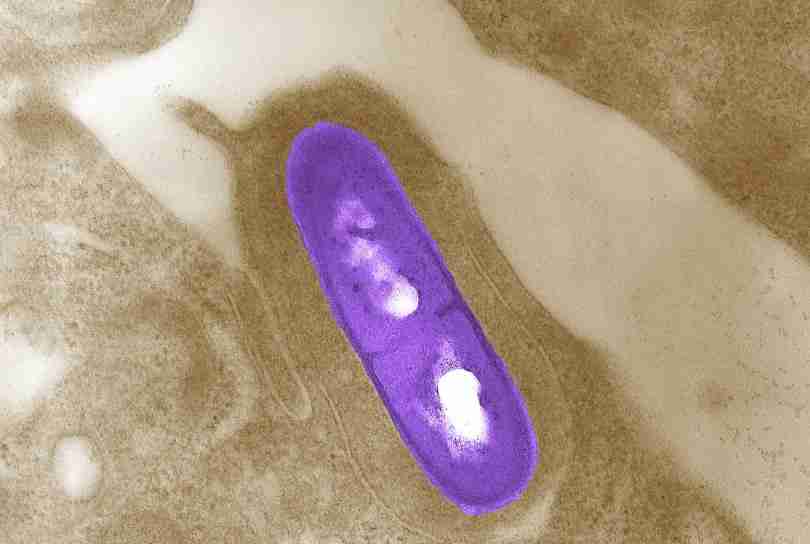
Listeria monocytogenes is a bacterium that causes listeriosis, a serious infection most commonly contracted from contaminated food. Symptoms can include fever, muscle aches, nausea and diarrhea. In severe cases, it can spread to the nervous system and cause headaches, stiff neck, confusion, loss of balance or convulsions.
High-risk groups: Pregnant women (risk of miscarriage, stillbirth, premature delivery or newborn infection), older adults and people with weakened immune systems. Because deli salads and ready-to-eat pasta dishes are often eaten cold, they may present higher risk if contaminated.
What shoppers should do now
- Check deli receipts and labels. If you bought deli salads, pasta salads or other ready-to-eat deli items that list bowtie or farfalle pasta, stop eating them immediately — even if they look or smell normal.
- Return or discard. Follow retailer instructions for returns or recalls. If returning, bring your receipt if possible. If discarding, seal the item in a bag and place it in an outdoor trash container to avoid accidental contact.
- Clean and sanitize. Clean refrigerator surfaces, containers and utensils that touched the product with hot, soapy water, then sanitize with a household bleach solution or an appropriate sanitizer.
- Watch for symptoms. If you or a family member develops symptoms after eating a deli product, contact your health care provider and mention possible exposure to Listeria.
- Contact your store. If unsure whether a purchased product is affected, contact the deli manager or store customer service for guidance and to check purchase records.
Public health and retailer responsibilities
When a supplier reports possible contamination, retailers that used the ingredient are expected to remove affected products and notify customers as required by law. Food safety laws require manufacturers, distributors and retailers to act quickly to prevent further distribution of potentially dangerous products.
Consumers should rely on formal recall notices from the California Department of Public Health and the FDA Recalls, Market Withdrawals and Safety Alerts pages for authoritative product lists and return instructions.
Why ingredient-level recalls can cause wide effects
Many deli and prepared-food products share common ingredients across multiple stores and brands. When one supplier’s ingredient is found to be contaminated, any finished product that used that ingredient must be checked and possibly recalled. That includes private-label items, in-house prepared deli salads, and products sold under different store brands — creating a ripple effect across the supply chain.
Nate’s Fine Foods — the Roseville connection
The recall centers on a bowtie pasta ingredient manufactured by Nate’s Fine Foods of Roseville, California. The identification of this supplier prompted recalls of deli items that contained the pasta. For clarity and confirmation, consumers and retailers should await formal notices listing specific product names, lot codes and affected retail locations; initial reporting is available via the Marler Blog.
Reporting illnesses and seeking information
If you believe you became ill after eating a deli item that may contain the recalled bowtie pasta, report the illness to your local public health department. Reporting helps officials track outbreaks and protect the public.
For local residents in San Luis Obispo County, contact San Luis Obispo County Public Health for local reporting and information.
Implications for San Luis Obispo, California
Economic impact: Local grocers, delis and sandwich shops using ready-made deli salads or pasta salads with bowtie pasta may face product losses, returns and costs for pulling items from shelves, with smaller independent delis likely feeling a larger hit.
Political and social effects: Food-safety concerns may prompt increased inspections, supplier record requests and calls for greater transparency. Consumers — especially vulnerable groups — may avoid deli items until the situation is clarified.
Practical tips: Check your fridge and receipts for any deli items with bowtie pasta; ask deli managers about ingredient sources and whether they received notices about Nate’s Fine Foods; pregnant, elderly or immunocompromised household members should avoid deli salads until confirmed safe.
Where to get updates
This initial recall notice stems from reporting that linked the contaminated ingredient to Nate’s Fine Foods in Roseville. For official lists of affected products, recall dates, and instructions for returns, check these sources regularly:
- Marler Blog initial report
- California Department of Public Health
- FDA Recalls, Market Withdrawals and Safety Alerts
- San Luis Obispo County Public Health
If you have questions about a product you bought, contact the store where you purchased it. If you think you or a family member is sick after eating a recalled deli product, contact your health care provider and your county public health department immediately.