Democratic lawmakers who backed cap-and-invest urge CARB to rethink fuel, gas and power changes amid warning of higher energy costs
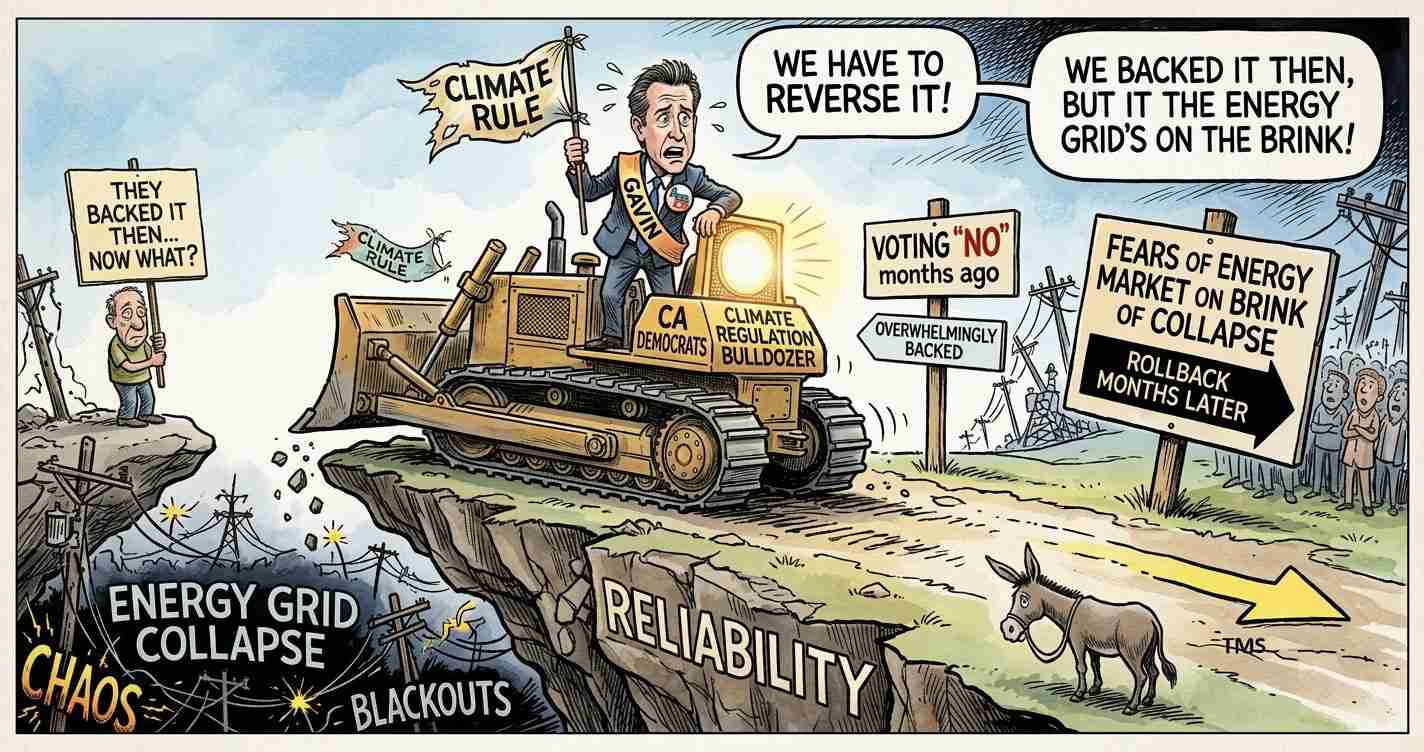
Fifteen California Democratic Assemblymembers who earlier backed cap-and-invest urged the California Air Resources Board to reconsider proposed amendments to fuels, gas and electricity rules, warning the changes could significantly raise energy prices and destabilize markets.
Key takeaways
- Fifteen Democratic Assemblymembers who voted to reauthorize California’s cap-and-invest program sent a formal letter asking CARB to reassess proposed amendments affecting fuels, gas and electricity. See San Joaquin Valley Sun.
- The draft changes would tighten emission limits through 2030 and reduce available allowances, with CARB planning a vote in May 2026; analysis noted by Carbon Pulse and a video briefing.
- Industry groups such as Chevron have warned the proposal could raise gasoline by more than $1 per gallon by 2030 and risk refinery closures or relocation, potentially straining supplies and jobs (video briefing).
Main content
Background: How the California cap-and-invest program works
California’s cap-and-invest program sets a declining cap on greenhouse gas emissions from major polluters. Companies that emit must buy allowances to cover emissions; proceeds fund clean energy and climate projects. The 2025 reauthorization directed CARB to update rules for fuels, gas and electricity — the same rulemaking now under review (Carbon Pulse; video briefing).
What the proposed CARB program amendments would do
Under CARB’s draft amendments, the cap would tighten faster for certain fuel sources and power providers, reducing the pool of available allowances. CARB says the measures are intended to keep California on track to meet legally required emission cuts. Opponents argue timing and scale risk market instability and higher consumer prices (Carbon Pulse; video briefing).
What the lawmakers told CARB
Fifteen Assemblymembers — who supported the 2025 reauthorization — sent a letter to CARB Chair Liane Randolph asking for reconsideration. They warned that an “energy transition that outpaces infrastructure readiness, market realities, and technological feasibility risks creating chronic supply imbalances and long-term market instability.” The letter urged caution to avoid deepening burdens on families already facing high energy costs. The letter was reported by San Joaquin Valley Sun, and lists the signers by name.
Signers: Blanca Rubio, Michelle Rodriguez, Jose Luis Solache, Stephanie Nguyen, Lisa Calderon, Juan Carrillo, James Ramos, Lori Wilson, Blanca Pacheco, Maggy Krell, Esmeralda Soria, Tina McKinnor, Cecilia Aguiar-Curry, Anamarie Avila Farias and Mike Gipson (San Joaquin Valley Sun).
Industry warnings and price estimates
Oil industry groups and some Republicans echoed the lawmakers’ concerns. Chevron told regulators the proposal could raise California gas prices by more than $1 per gallon by 2030 and could prompt refiners to curtail operations or leave the state, raising import reliance and costs (video briefing). CARB defends the program as the most cost-effective path to meet statutory climate goals (Carbon Pulse).
Why this is politically significant
The letter highlights a rare public split among Democrats and raises stakes in Sacramento. Lawmakers who backed reauthorization are now urging regulators to reassess parts of the rulemaking they enabled, increasing pressure on CARB as it prepares for a May 2026 vote. The debate also amplifies opposition voices and could influence how aggressive the final limits become (San Joaquin Valley Sun; Carbon Pulse).
Timing and broader context
CARB staff plan a formal vote in May 2026. The rulemaking comes amid recent gas price spikes tied to global tensions and supply disruptions, which have increased California’s gasoline premium over the national average and made projected price rises politically sensitive (video briefing).
Source material and reporting
This report draws on local and industry reporting and a public briefing: coverage and signers reported by San Joaquin Valley Sun, analysis of the rulemaking by Carbon Pulse, and statements from a public briefing (video briefing).
Implications for San Luis Obispo, California
Economic effects
Higher California energy prices would directly affect San Luis Obispo County households and businesses. Gasoline increases raise commuting and delivery costs; farms, small manufacturers, and tourism businesses face higher operating expenses. If industry estimates materialize by 2030, residents already coping with high living costs could see sharper budget pressure (video briefing; Carbon Pulse).
Local jobs and industry
San Luis Obispo’s economy — reliant on tourism, agriculture and small manufacturing — is sensitive to fuel and energy costs. Higher diesel and gasoline prices increase costs for farms, processors, logistics and visitor-dependent businesses. Reduced refinery output or increased imports could introduce supply volatility affecting local availability and prices.
Energy reliability and infrastructure
The lawmakers cautioned against an energy transition that outpaces infrastructure readiness. For San Luis Obispo, concerns include grid reliability and charging/fueling infrastructure for cleaner vehicles. Rapid policy shifts without matched upgrades in transmission, storage, and fueling stations could strain reliability; local planners will need timelines and funds to adapt (Carbon Pulse).
Household budgets and social equity
Lawmakers emphasized impacts on families least able to afford higher bills. In San Luis Obispo County, rising energy prices would hit lower-income households disproportionately. Local social services and housing advocates are likely to press for state revenues, rebates or targeted assistance to shield vulnerable residents from price impacts linked to the CARB amendments (San Joaquin Valley Sun).
Local political and planning responses
County supervisors, city councils and regional lawmakers may weigh in before the May vote. Possible requests include phased timelines, waivers, additional infrastructure funding, or mitigation measures to protect consumers and employers. The split among Democratic legislators increases the chance local officials receive consideration and could spur calls for concrete mitigation tied to the CARB amendments.
Practical steps for residents
San Luis Obispo residents should watch for public workshops and comment periods from CARB and local agencies in the weeks before the May 2026 vote. Participation can influence phasing and funding. Residents and small businesses can contact their Assemblymember or county supervisors to request clarity on timelines and support measures (Carbon Pulse).
“An energy transition that outpaces infrastructure readiness, market realities, and technological feasibility risks creating chronic supply imbalances and long-term market instability.” — excerpt from the Assemblymembers’ letter reported by San Joaquin Valley Sun.
Reporting note: This article is based on the lawmakers’ letter and coverage of CARB rulemaking and industry statements available as of March 2026. Primary sources include San Joaquin Valley Sun, Carbon Pulse, and a public briefing (video briefing).