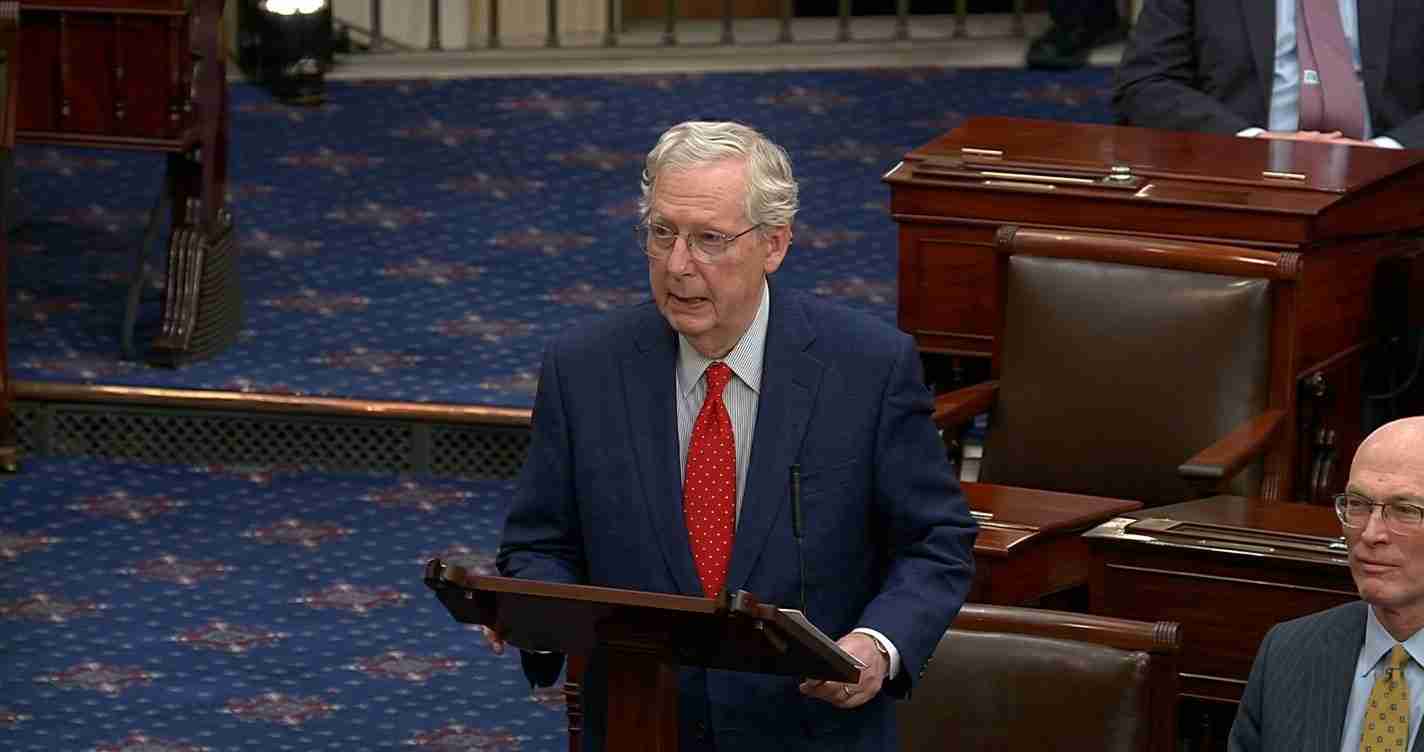
House passes $1.2 trillion spending package, including controversial DHS bill, averting Jan. 30 government shutdown
The House approved a roughly $1.2 trillion federal spending package on Jan. 23, 2026, including a contentious DHS bill. The votes avert a potential Jan. 30 government shutdown and send the measures to the Senate for consideration.
- Close DHS vote: The DHS bill passed 220-207 amid Democratic opposition over ICE oversight.
- Broad support for major agencies: A three-bill package for Defense, Labor-HHS-Education and Transportation-HUD passed 341-88.
- Next step: Bills now head to the Senate, where approval and presidential signature would fund FY2026 and prevent a shutdown.
Main coverage
WASHINGTON (Times Media Service) — On January 23, 2026, the House of Representatives passed a comprehensive spending package totaling roughly $1.2 trillion, narrowly avoiding a government shutdown scheduled for January 30. The vote split sharply along policy lines, particularly over Department of Homeland Security (DHS) appropriations and Immigration and Customs Enforcement (ICE) oversight.
What the House voted on
Lawmakers considered two separate measures on Thursday: a standalone DHS funding bill and a three-bill package funding Defense, Labor-HHS-Education, and Transportation-HUD. The DHS measure passed 220–207, with seven Democrats crossing party lines; the three-bill package passed 341–88.
Media coverage and reporting on the votes include Fox News and CBS News.
DHS vote and Democratic concerns
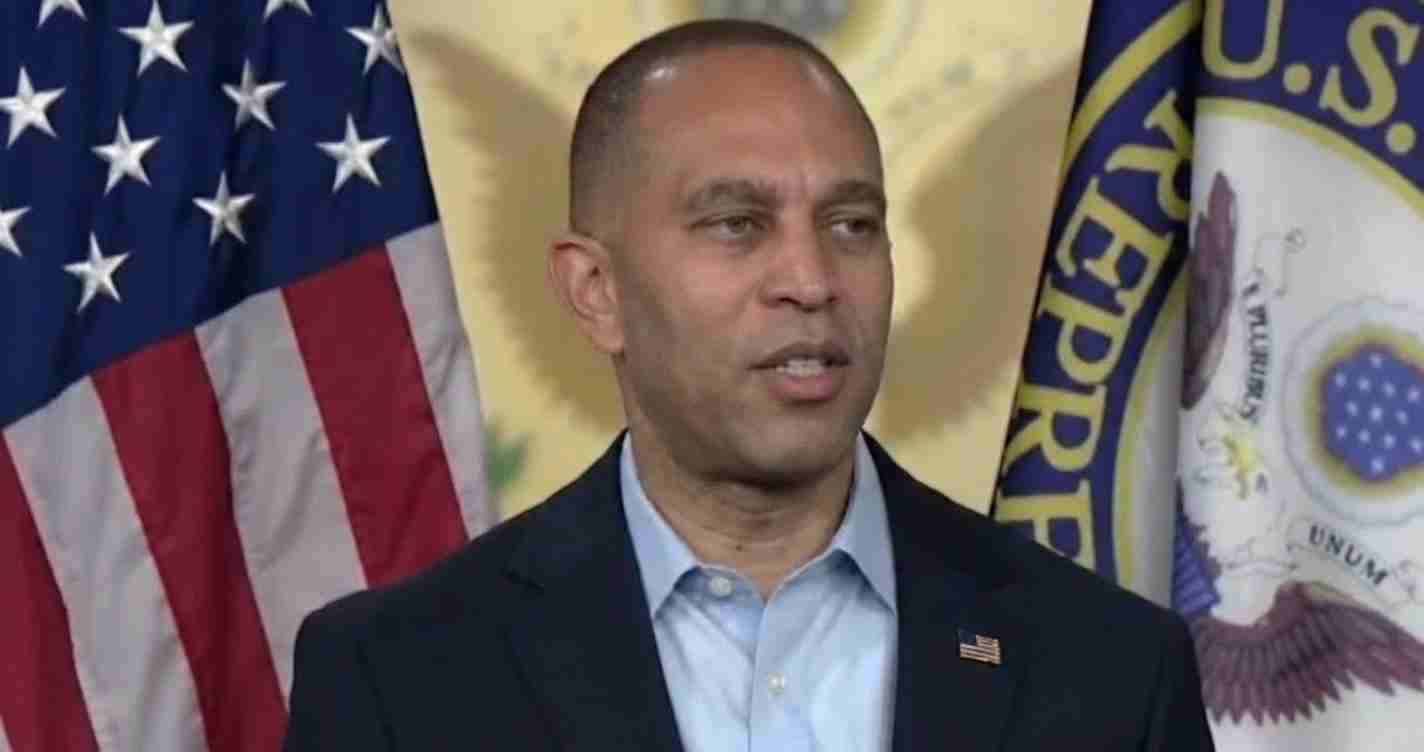
House Democratic leadership, led by Minority Leader Hakeem Jeffries, opposed the DHS bill, arguing it lacks sufficient limits on ICE activities and accountability mechanisms. Critics highlighted recent incidents — including a fatal shooting in Minneapolis involving an ICE agent — as central to demands for tougher oversight and transparency (Fox News; CBS News).
Why seven Democrats crossed the aisle
A small group of moderate House Democrats supported the DHS bill after negotiating concessions they described as meaningful changes. Supporters cited new reporting requirements, stronger training benchmarks, and funding for body cameras as reasons to back the measure.
Rep. Pete Aguilar (D-Calif.): “All the guardrails in the world don’t make sense if the administration isn’t going to follow the law and the language that we pass.”
— reported by Fox News
Concessions and added measures
- Funding controls: New restrictions on DHS’s ability to reallocate funds absent required reporting.
- Training benchmarks: Standards intended to raise training for officers engaged in immigration enforcement.
- Body cameras: A $20 million allocation to purchase body-worn cameras for immigration enforcement agents (CBS News).
Supporters called these measures additional oversight and transparency; opponents argued the steps remain insufficient and warned the administration might not fully comply.
Larger package wins broad support
Unlike the close DHS vote, the three-bill package funding Defense, Labor-HHS-Education and Transportation-HUD passed with bipartisan backing, 341–88. Many Democrats emphasized the practical need to avoid furloughs and service interruptions for federal programs, states and local governments (Fox News).
Senate outlook and next steps
The measures now move to the Senate, where leaders face pressure to prevent a shutdown. Some Senate Democrats expressed skepticism; Sen. Chris Murphy (D-Conn.), the top Democrat on the Senate Homeland Security Appropriations panel, indicated he would not back the package despite negotiations, signaling potential resistance (Fox News).
If the Senate approves the bills and the president signs them, the measures would provide full-year funding through FY2026 and eliminate short-term continuing resolutions.
DHS funding, ICE concerns and public reaction
Public reaction has been mixed. Labor and services groups warned a shutdown would disrupt benefits and programs, while immigrant rights organizations and many Democrats said the DHS bill did not go far enough on protections and accountability (CBS News; Fox News).
Implications for San Luis Obispo, California
Economic impact: Full-year funding would stabilize grants, contracts and payments affecting universities, hospitals and transportation projects in San Luis Obispo County. Averted furloughs protect federal workers and contractors who support local services.
Political consequences: Local representatives may face voter scrutiny over votes that balance practical governance and party unity. County officials will watch Senate deliberations closely because DHS policy and ICE oversight can affect local cooperation and public debate.
Social effects: Immigrant communities and advocacy groups may press for stronger guardrails. Continued HHS and education funding reduces the risk of disruptions to clinics, school programs and social services.
Cultural relevance: San Luis Obispo County’s mix of rural, coastal and college-town communities could see intensified local debate over public safety, accountability and federal policy alignment with community priorities.
Practical applications for residents
- Transportation and infrastructure: Transportation-HUD funding could support regional transit, road projects and planning grants.
- Healthcare and social services: Continued HHS funding may preserve grants used by county health departments and clinics.
- Education and workforce: Labor-HHS-Education funding helps sustain programs at Cal Poly San Luis Obispo and local school districts.
Sources and further reading
- Fox News: “House Democrats break with Jeffries, pass DHS funding despite ICE backlash”
- CBS News: “House vote to avert government shutdown”
Bottom line: The House’s passage of these spending measures represents a significant step in preventing a shutdown; the Senate will now decide whether the $1.2 trillion package — and its provisions affecting DHS and ICE oversight — will become law.