Connecticut Senator Chris Murphy criticizes Schumer, urges stronger leadership after shutdown deal fails to secure health care subsidies
Connecticut Senator Chris Murphy publicly criticized Senate Majority Leader Chuck Schumer for failing to keep Democrats unified and for not pushing harder to secure renewal of expiring health-care subsidies after the shutdown deal, intensifying pressure on Schumer’s leadership.
Key takeaways
- Murphy publicly rebuked Schumer for not keeping Democrats united and for not securing renewal of expiring ACA marketplace subsidies (Source: CT Public).
- The shutdown-ending deal left only a vague promise of a future vote on subsidies and saw moderate Democrats vote with Republicans, producing frustration in the caucus (Source: CT Public).
- Schumer voted against the package, but internal criticism of his broader leadership strategy has grown (Reporting includes AOL).
- Failure to lock in subsidies threatens higher premiums for millions and has local implications for places like San Luis Obispo County, Calif.
What Murphy said and why it matters
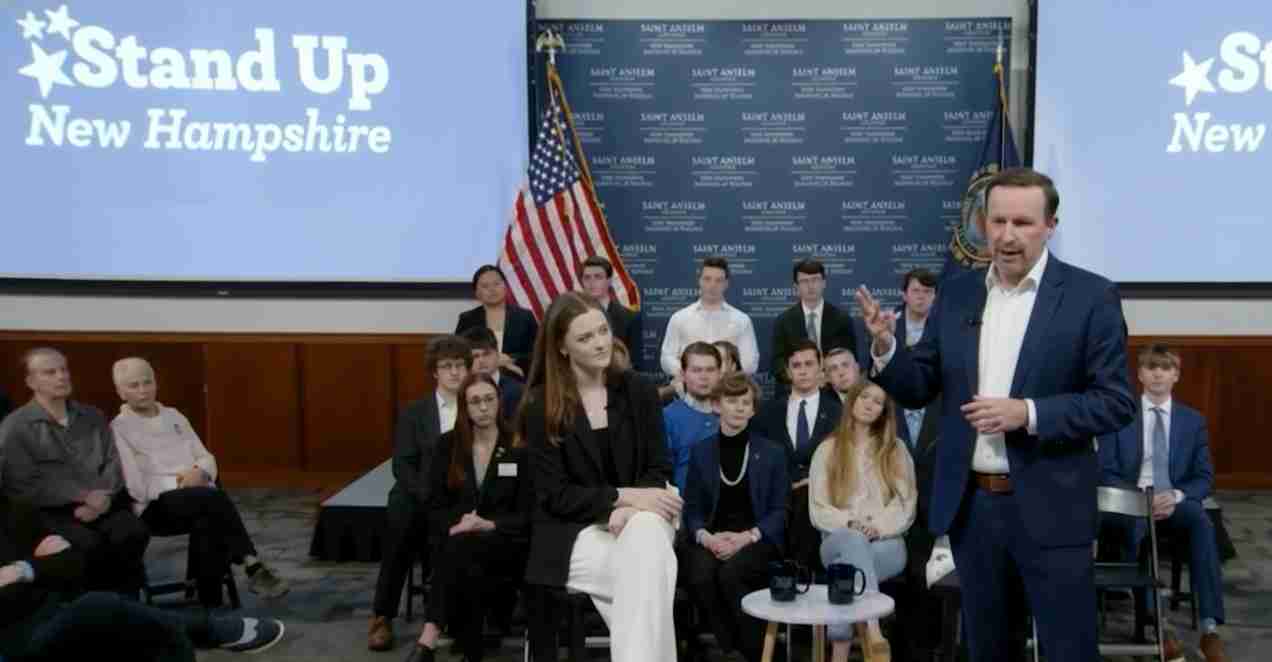
Senator Chris Murphy told reporters he was frustrated by how Senate leaders handled negotiations that ended the partial government shutdown. He said the process left key Democratic priorities on the table — most notably the renewal of expiring health-care subsidies — and described the mood in the caucus as tense and “very, very hard.” (Source: CT Public).
The shutdown deal and the missing health care subsidies
The deal that ended the shutdown included several moderate Democrats voting with Republicans and provided partial funding for programs like SNAP and veterans’ services. Crucially, it did not lock in renewals for expiring Affordable Care Act marketplace subsidies; negotiators left only a vague commitment to a future vote, which many Democrats call insufficient (Source: CT Public).
Internal pressure on Schumer’s leadership
Although Schumer voted against the shutdown-ending package alongside most Senate Democrats, critics question whether his leadership has effectively prevented fragmentation and guided the caucus to consensus on top priorities. Murphy’s public rebuke adds a voice from within the party’s ranks calling for a change in tone and tactics (coverage also noted by AOL).
“It left Democrats fragmented and angry. It’s a very, very hard moment,” Murphy said, describing his frustration with how the process unfolded (Source: CT Public).
Bipartisan policy and political calculation
Murphy argued Democrats should pursue practical, bipartisan policies that appeal to voters — even if those policies previously attracted Republican or former-President Trump support. He framed the argument as one of results over ideological purity, saying voters reward parties that come together to deliver concrete gains (Source: CT Public).
The procedural roadblock: will the House act?
Even if the Senate secures a commitment to vote on subsidy renewal, skepticism remains about whether the Republican-led House will permit such a vote. Speaker Mike Johnson and House conservatives have signaled resistance to taking up measures framed as Democratic priorities, increasing the risk that any Senate promise stalls before becoming law (Source: CT Public).
Implications for San Luis Obispo, California
The national debate over subsidies has concrete local effects. Below are direct implications for San Luis Obispo (SLO) County residents, providers, and local politics.
Economic impact
- Health care costs: Renewal of ACA marketplace subsidies affects premiums nationally. Many SLO County residents buy plans through Covered California or rely on subsidized coverage. Failure to renew could raise premiums and out-of-pocket costs, straining household budgets.
- Local providers and hospitals: Higher uninsured or underinsured rates could increase demand on clinics and safety-net providers, stressing budgets and staffing in an already tight market.
Political consequences
- Voter sentiment: Murphy’s call for unity and practical policymaking may resonate with moderate voters in SLO County, who often favor pragmatic solutions.
- Local campaigns: If subsidies lapse or stay uncertain, local candidates may sharpen messaging on protecting coverage and lowering costs, making health care a key issue in upcoming races.
Social effects
- Vulnerable populations: Seniors on fixed incomes, low-wage workers, and families near subsidy cutoffs could face higher costs or coverage loss, affecting access to prescriptions and routine care.
- Community organizations: Nonprofits and health groups may need to expand outreach to help residents navigate enrollment and assistance, stretching limited resources.
Cultural relevance
SLO’s electorate values pragmatic governance. Murphy’s critique of national Democratic leadership and emphasis on bipartisan, workable ideas may mirror local expectations that leaders solve everyday problems like health-care affordability.
Practical applications for residents
- Enrollment vigilance: Residents with marketplace coverage should track subsidy-renewal news and open-enrollment windows. Local channels — county public health, community clinics, and Covered California navigators — can assist.
- Contact representatives: Constituents in SLO County can press state and federal lawmakers to prioritize subsidy renewal and protections for local programs.
- Budget planning: Households relying on subsidies should prepare for possible premium changes and explore local assistance programs for prescriptions and care.
Reporting and sources
This story draws on reporting from CT Public and additional context reported by AOL. For CT Public coverage: CT Public. For Murphy’s comments and broader party reaction: AOL.