D.C.’s Temporary Juvenile Curfew Expires as Spring Break Nears, Setting Up Heated Vote on Extension
Washington D.C.’s temporary juvenile curfew expired April 15, 2026, removing police authority to declare targeted ‘teen takeover’ zones and sparking debate as the Council prepares an April 21 vote on whether to extend the measure through September.
- The Juvenile Curfew Second Temporary Amendment Act of 2025 expired April 15, 2026, ending the MPD chief’s power to declare targeted juvenile curfew zones — Fox News.
- A separate citywide curfew banning gatherings from 11 p.m. to 6 a.m. remains in effect, according to coverage by Fox News and reporting from WTOP.
- Councilmember Brooke Pinto proposed an extension to retain targeted juvenile curfew zones through Sept. 25; the Council will vote on April 21 — proponents include Mayor Bowser and Interim Chief Jeffery Carroll.
- Critics say the curfew disproportionately impacts Black youth and fails to address root causes, while supporters call it a narrow, rapid-response tool against teen takeovers.
Main reporting and context
How the temporary juvenile curfew worked
The emergency law authorized the D.C. Council to grant the MPD chief temporary authority to declare juvenile curfew zones in specific high-volume areas. Within those zones, people under 18 were barred from gathering between 8 p.m. and 6 a.m.
Officials said the targeted restrictions — for example, at parts of Navy Yard on busy weekend nights — were aimed at preventing what officials call “teen takeover” events organized on social platforms such as TikTok and Snapchat. Supporters describe it as one tool among many to quickly disperse unsafe gatherings.
Purpose and official rationale
Mayor Muriel Bowser and Interim Police Chief Jeffery Carroll defended the measure as a rapid response tool to prevent violence, property damage and disorder tied to unsanctioned gatherings. As Bowser put it:
“We think we need [the law] now. It’s a tool. It’s not the only one, but it has been an effective one.”
Recent incidents tied to teen takeovers
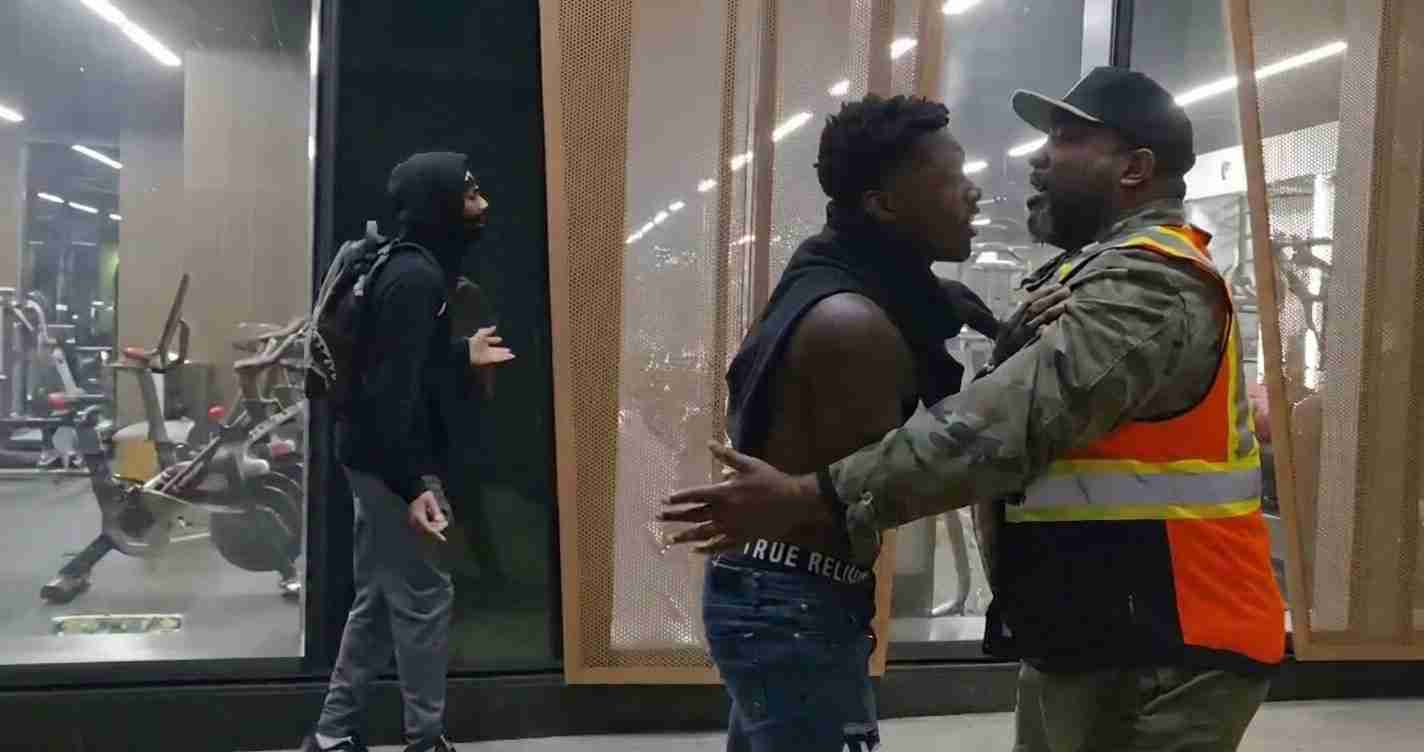
The curfew’s lapse comes after a series of high-profile spring incidents. On the weekend of April 4, hundreds of teenagers gathered at Navy Yard; videos showed brawls and large crowds after hours. Activist Elissa De Souza posted video on X documenting crowding and fights, calling what should have been “a great night out” a recurring problem.
MPD reported six curfew violations that night within the designated zone but said crowds dispersed without major incident and made no arrests for curfew violations in the zone. Separately, Metro Transit Police made four arrests at the nearby Waterfront Metro Station, which lies outside the curfew zone.
Enforcement, outcomes and numbers
MPD data over the past two years show dozens of recorded curfew violations but few arrests tied directly to curfew enforcement. A WJLA I-Team review cited 280 curfew violations over two years — 279 in one year and one so far this year — and reported zero arrests made solely for curfew violations. Typically, station pickups return curfew violators to parents; penalties can include up to 25 hours of community service and parental fines up to $500.
Supporters’ and critics’ arguments
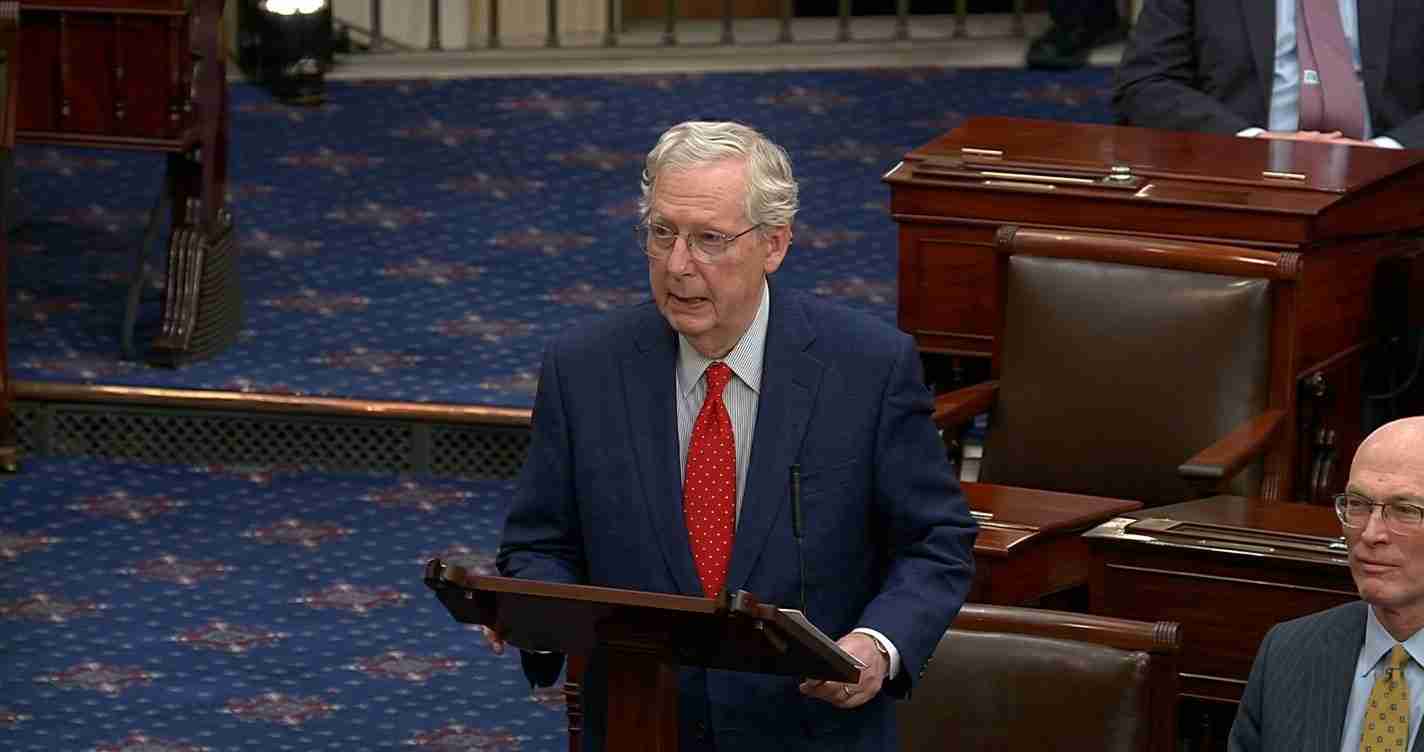
Supporters argue targeted curfews allow police to act where they have intelligence about planned takeovers and to disperse crowds quickly. Councilmember Brooke Pinto said the authority is “especially critical when they have information about planned teen takeovers and other unsafe activities.”
Critics counter that the policy disproportionately affects Black youth in lower-income neighborhoods, overlooks underlying causes — including lack of programming and regional coordination — and risks eroding trust between communities and police. The Pan-African Community Action (PACA) said curfews “target Black working-class youth in Wards 7 and 8.”
What’s next: the April 21 vote and spring break timing
The Council scheduled a vote on April 21 to consider extending the juvenile curfew authority through Sept. 25. Proponents, including the mayor, emphasize readiness for spring break when student free time can correlate with higher rates of takeovers. Opponents plan to press for alternatives such as expanded youth programming and cross-jurisdictional coordination.
Broader context: teen takeovers in other cities
Washington is part of a national pattern of teen takeovers — spontaneous, social-media-coordinated gatherings that have drawn attention in Chicago, Los Angeles and other cities. The events prompt debates over policing, prevention and investment in youth services; some participants view gatherings as harmless social outings, while others point to clear risks for public safety and local businesses.
Implications for San Luis Obispo, California
Though geographically distant, D.C.’s experience offers lessons for San Luis Obispo:
- Public safety and local business: even small coastal cities can experience sudden crowding during school breaks; advance planning with downtown businesses can reduce disruption.
- Policy lessons: targeted emergency powers can be a short-term crowd-management tool but carry concerns about fairness and long-term effectiveness; pairing restrictions with community outreach is advised.
- Social and equity impacts: consider equity when crafting youth policies to avoid disproportionate enforcement and to build trust via alternatives like summer programs and youth-led events.
- Practical steps: coordinate with school districts ahead of breaks, expand programming during high-risk periods, and ensure any dispersal tactics are transparent, narrowly focused and monitored with data.
Sources and reporting links
Reporting compiled from Times Media Service and local outlets. Key sources cited below: