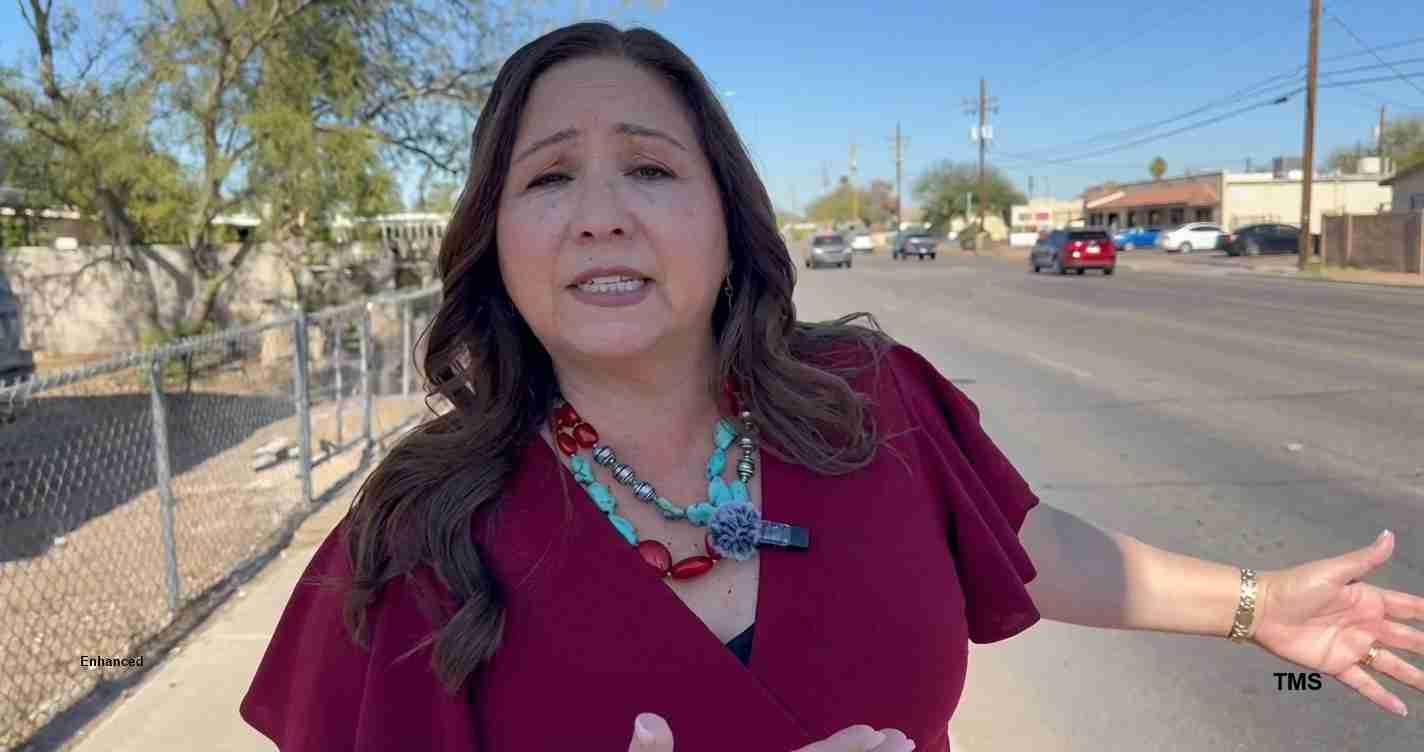
DHS disputes Rep. Adelita Grijalva’s claim she was “pushed aside and pepper sprayed” during Tucson ICE raid
A dispute erupted after Rep. Adelita Grijalva says she was pushed aside and pepper‑sprayed during a Tucson ICE raid; DHS disputes that account, saying agents followed protocol and any exposure was incidental, not targeted, and the incident has sparked debate.
Key takeaways
- Who: Rep. Adelita Grijalva (D‑Ariz.), daughter of U.S. Rep. Raúl Grijalva, and ICE agents conducting an enforcement action in Tucson — source: KTVU report.
- What: Grijalva says she was “pushed aside and pepper sprayed” while observing the raid; DHS says any exposure was incidental and agents followed policy — per KTVU.
- Where/when: During a recent ICE operation in Tucson, Arizona; reporting so far lacks independent video or a public formal investigation — see KTVU coverage.
- Why it matters: The dispute highlights tensions between local officials, immigrant‑rights groups and federal enforcement and raises questions about crowd‑management tactics — reported by KTVU.
What Grijalva says happened
Rep. Adelita Grijalva says she went to the scene of an ICE enforcement action in Tucson to observe the operation. According to her account, she was physically pushed aside by agents and was pepper‑sprayed while near the site. Grijalva characterized the episode as an example of what she called excessive force and tied it to broader concerns about how ICE conducts raids in neighborhoods with active community observers and advocates. Her statements have drawn attention from local activists and some Democratic colleagues who have called for greater oversight of ICE operations. KTVU
DHS and ICE response
Officials with the Department of Homeland Security and ICE have publicly disputed Grijalva’s version of events. DHS statements say agents followed established policy and that any chemical agent use was part of crowd‑control measures intended to protect personnel and complete the operation. The agency contends no specific individual, including Grijalva, was targeted; instead, DHS described any exposure she experienced as incidental to lawful crowd‑management tactics and said suggestions that she was singled out are misleading. KTVU
Context: raids, observers and local tensions
The Tucson operation was one of several immigration enforcement actions in Arizona that have frequently drawn protests, on‑scene observers and local elected officials. Tucson and other Arizona cities have active immigrant‑rights communities that often monitor ICE activity and press for transparency. Encounters between federal agents and local officials or demonstrators have sometimes escalated, intensifying friction between local leaders and federal enforcement agencies. Grijalva’s account feeds into that local political debate and has prompted calls for clearer protocols governing interactions between observers, local officials and federal agents during raids. KTVU
Points of dispute and unanswered questions
The core disagreement centers on two competing claims: Grijalva’s assertion that she was deliberately pushed and pepper‑sprayed, and DHS’s claim that any exposure was incidental and within established procedures. Key unresolved details include:
- Who physically initiated contact and whether Grijalva was singled out.
- The distance and positioning of agents, the crowd and Grijalva when chemical agents were deployed.
- Whether any body‑worn camera, surveillance or phone video captured the interaction and whether such footage will be released.
Public reporting presently relies mainly on Grijalva’s statements and DHS’s on‑the‑record responses; there has been no widely reported independent investigation, public release of video evidence, or administrative finding that resolves the conflicting accounts. That gap leaves the incident in the realm of opposing narratives and political debate. KTVU
Political and legal stakes
The episode ties into a broader debate about ICE tactics and the rights of community members who observe or protest enforcement actions. For Democrats, immigration advocates and many local leaders, the account raises questions about civil liberties and the safety of observers, including elected officials. For DHS and ICE, the incident underscores the operational challenges of conducting enforcement in populated areas where bystanders and protestors may impede operations. To date there is no public record of disciplinary action or a legal finding against ICE personnel connected to this event; calls for oversight and clearer rules about interactions at raid scenes are likely to continue. KTVU
Reporting gaps and what to watch next
Missing elements in public reporting include independent video or verified reconstructions, any public internal DHS review or inquiry, and third‑party witness accounts that could corroborate either side. Observers and local officials have asked whether body‑worn camera or other footage exists and whether DHS will release it. Watch for:
- Announcements of an internal DHS investigation or oversight review.
- Complaints filed with oversight bodies or legal action by Grijalva or others.
- Local and national reporting that produces witness statements, neighborhood resident accounts or shared video evidence.
Local outlets and national reporters may seek statements from witnesses and community groups who were present. KTVU
Implications for San Luis Obispo, California
Economic impact
Although the incident occurred in Tucson, it could affect communities like San Luis Obispo by shaping regional public debate and policy on immigration enforcement. Local governments and service providers that work with immigrant communities may see renewed interest in how federal agents operate and in preparing legal or health resources for similar enforcement actions. Nonprofits that provide legal aid could experience increased demand for know‑your‑rights materials and emergency response planning. KTVU
Political consequences
For a politically moderate audience in San Luis Obispo, the episode may sharpen conversations about federal‑local relations and the role of elected officials in oversight. Local leaders could face pressure from constituents who prioritize strict enforcement and from others who emphasize civil liberties and immigrant protections. Elected officials in the Central Coast may be asked to clarify their stance on hosting observers at federal enforcement actions and whether they will demand transparency from DHS. KTVU
Social effects & cultural relevance
San Luis Obispo’s immigrant communities may view the Tucson incident as part of a broader pattern of enforcement behavior and could respond by organizing more active monitoring of local ICE activity or requesting stronger local policies that limit cooperation with federal immigration enforcement. Community health providers should note that crowd‑control tactics like pepper spray can have medical impacts, creating demand for first‑aid guidance and support services after similar events. The conflict touches on values that resonate locally: balancing public safety, rule of law and protection of civil rights. KTVU
Practical applications for residents
Residents and community organizations in San Luis Obispo can take proactive steps:
- Review and share know‑your‑rights information about interactions with ICE.
- Coordinate with local legal aid groups for rapid response plans.
- Encourage local officials to clarify policies on observers at federal enforcement actions and to seek access to any body‑worn camera or official footage when incidents occur.
- Prepare health guidance for first aid after exposure to crowd‑control agents.
These practical steps aim to strengthen local readiness and community safety while oversight and transparency questions remain unresolved. KTVU
Reporting note and source
This report summarizes available coverage and official statements as reported by local media. The principal source for the facts here is KTVU’s reporting on Grijalva’s account and DHS’s response. Further developments — including any internal DHS reviews, release of video evidence, or complaints filed with oversight agencies — could clarify the differing accounts. KTVU