How Disney’s $4.05 Billion Buy of Lucasfilm Promised a Star Wars Renaissance — and Why Fans Say the Magic Faded
On October 30, 2012, Disney bought Lucasfilm for $4.05 billion, acquiring Star Wars and Indiana Jones rights. The acquisition promised a steady stream of films, TV and merchandise — sparking a renaissance that later produced both triumphs and disappointments.
- Massive acquisition: Disney paid $4.05 billion to acquire Lucasfilm, Industrial Light & Magic and Skywalker Sound, plus the Star Wars and Indiana Jones franchises.
- Planned pipeline: The deal aimed for films every two to three years, plus expanded TV, streaming and merchandise strategies to sustain audience engagement.
- Mixed creative returns: Early box-office highs (The Force Awakens) gave way to uneven creative reception across films and Disney+ projects.
- Creator perspective: George Lucas has expressed mixed feelings about Disney’s stewardship while acknowledging some alignment on later projects.
Acquisition, strategy and the promise of steady storytelling
On Oct. 30, 2012, Disney announced a deal to buy Lucasfilm for $4.05 billion in cash and stock, gaining not only story rights but also production units such as Industrial Light & Magic and Skywalker Sound. See the company announcement at Disney press release on acquisition.
Bob Iger framed the purchase as a way to honor and grow the franchise across theatrical films, television and consumer products while leveraging Lucasfilm’s creative tools and technology. Analysts and company materials emphasized a strategy to avoid long gaps between releases, keeping Star Wars present in retail and popular culture.
Early handoff and leadership
George Lucas remained connected as a creative consultant while Kathleen Kennedy, whom Lucas handpicked, became Lucasfilm president. Kennedy’s role was to steward the new pipeline: translating Disney’s broad strategy into films and TV series. Commentary and analysis of the negotiation and management choices are discussed in industry scholarship; see MIT Negotiation Journal analysis of the deal.
Early results: box-office highs and renewed retail demand
Star Wars: The Force Awakens (2015) returned the saga to theaters with enormous interest, delivering strong box-office returns and lifting retail demand for licensed merchandise. That surge helped Disney negotiate expanded retail deals, for example with major toy partners — a key part of Disney’s long-term commercial calculus. For analysis of licensing and merchandising impacts, see analysis of merchandising and licensing economics.
Mixed creative results and shifting fan sentiment
The post-acquisition decade produced a complex mix: some projects won praise while others provoked backlash. Highlights include:
- Praise: Andor drew critical acclaim for tone and character depth; The Mandalorian (season one) became a cultural event; Rogue One’s reputation strengthened over time.
- Backlash: Installments in the sequel trilogy, notably The Last Jedi and The Rise of Skywalker, polarized many fans and critics. Solo underperformed at the box office in 2018.
- Streaming volatility: Some Disney+ entries failed to connect broadly; reporting has noted instances of cancellations and underwhelming viewership.
The net effect: Where new releases once received a presumption of goodwill, many viewers now approach Star Wars projects with skepticism — a shifted relationship that makes it harder to sustain momentum across every release.
George Lucas’s evolving view of the franchise
George Lucas has been candid about his reactions — criticizing certain creative choices, noting the franchise’s turn toward nostalgia, but also expressing appreciation for select projects and the way some of his ideas resurfaced in later work.
Recent reporting on Lucas’s reflections and his views on Disney’s direction is available at reporting on George Lucas’s reflections and recent adaptations.
Merchandise, licensing and the business case
A central motive for Disney’s investment was long-term retail and licensing revenue. The acquisition strengthened Disney’s leverage for licensing arrangements, and hits like The Force Awakens boosted toy and retail demand. Yet retail economics are complex: Disney’s royalty share is only a fraction of total licensed retail value, so continued box-office success remains essential to maximize returns.
Creative tensions and franchise planning
Balancing commercial scale with creative risk-taking proved challenging. Disney’s ambitious output schedule, decisions about tone and continuity, and the involvement of multiple creative teams produced debate among fans and critics. Analysts flagged these franchise-management dynamics both prior to and after the acquisition; for an academic perspective, see the MIT Negotiation Journal analysis.
The Mandalorian & Grogu: theatrical test after seven years
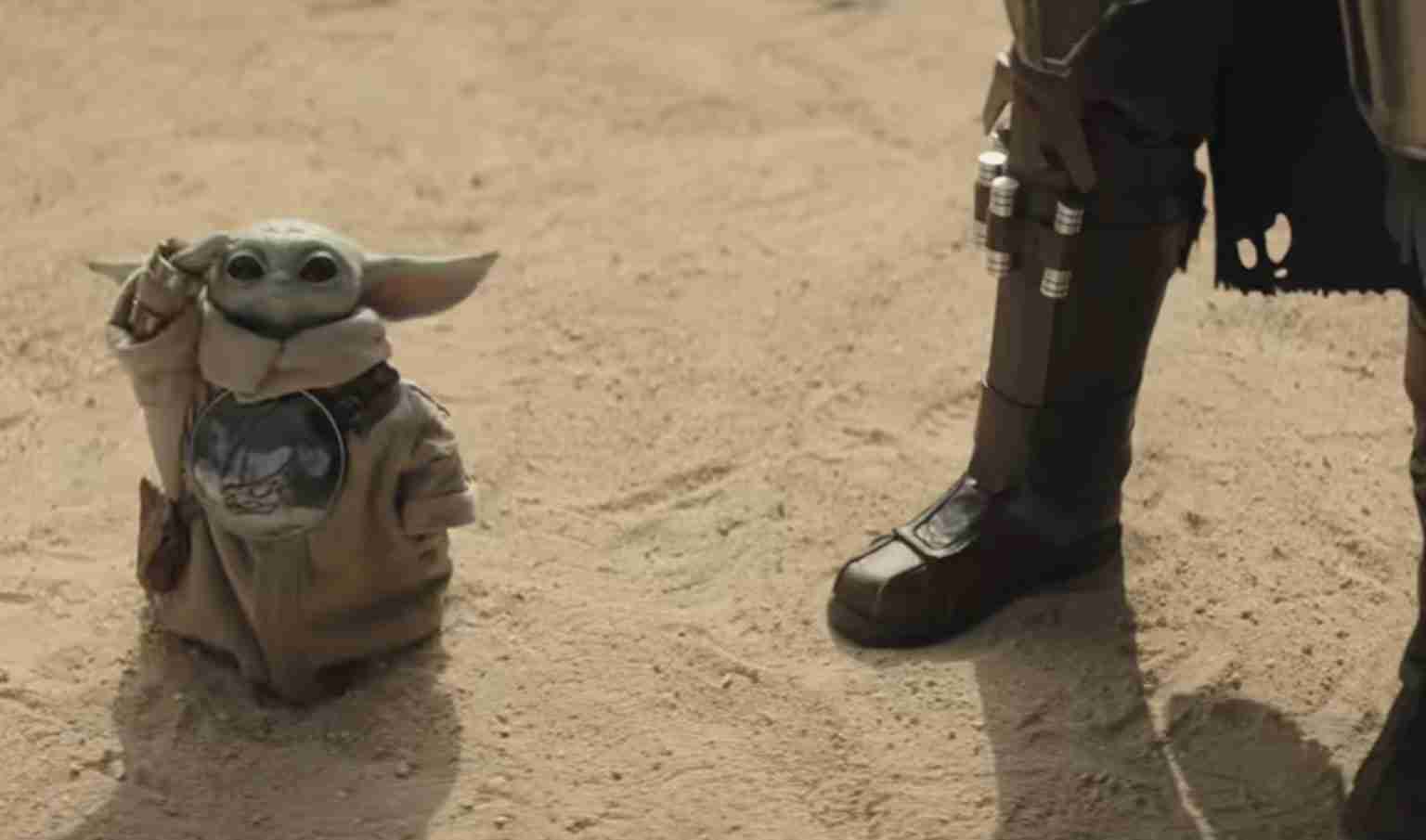
The Mandalorian and Grogu, directed by Jon Favreau and slated for theatrical release in May, will be the first major Star Wars movie in theaters since 2019. Grogu — the breakout character often called “Baby Yoda” — helped make the original streaming series a cultural phenomenon. Industry watchers view this release as a barometer for whether Star Wars stories that grew on Disney+ can draw audiences back to cinemas.
Trade press will closely track opening-week metrics; comprehensive post-2019 box-office tracking and final industry estimates will follow once the film premieres. For background on Disney’s post-acquisition plans and expectations, consult Disney’s press materials and analytical coverage such as the MIT Negotiation Journal.
Implications for San Luis Obispo, California
Economic impact: A strong theatrical Star Wars release can lift local box office revenue at downtown theaters and multiplexes, boost concession sales and spur retail merchandising opportunities. Conversely, weaker franchise demand reduces those local boosts.
Entertainment and cultural life: San Luis Obispo’s moviegoing community and university audiences often treat major releases as social events. A rejuvenated Star Wars brand can drive packed opening nights, themed events and steady patrons for independent cinemas and local bars.
Local media and artists: Regional outlets, campus publications and the county’s creative community (including film students at Cal Poly) monitor industry trends for coverage, hiring and internship prospects. Tourism marketers may leverage pop-culture moments for short-term campaigns if the film sparks renewed interest.
How stakeholders can respond: Theaters and businesses can diversify promotions with themed events, local-artist partnerships and campus collaborations — turning national franchise attention into community arts and economic opportunities.