False claim that Trump labeled Maduro’s government an FTO and ordered total oil tanker blockade spreads — what actually happened
A persistent claim that former President Donald Trump labeled Venezuela’s Maduro government an official Foreign Terrorist Organization and ordered a total oil-tanker blockade is false; Trump imposed targeted sanctions, but U.S. law does not list entire sovereign governments as FTOs.
Key takeaways
- False: The U.S. U.S. Department of State: Foreign Terrorist Organizations list names non‑state groups; the Maduro government is not on that list.
- Accurate: The Trump administration imposed wide-ranging sanctions on Venezuela, including measures targeting PDVSA and senior officials via the U.S. Treasury — Venezuela-related sanctions.
- Misleading: Sanctions disrupted parts of Venezuela’s oil network and targeted vessels and intermediaries, but there was no presidential order creating a blanket naval or legal blockade.
What the Foreign Terrorist Organization list covers
The FTO designation is a statutory tool under Section 219 of the Immigration and Nationality Act that the Secretary of State uses to identify organizations — typically non‑state armed groups — that engage in or support terrorism. The State Department publishes designations and explains the legal framework and consequences. The official page lists groups such as ISIS, al‑Qa’ida, and Hezbollah; it does not list the government of Venezuela or the Maduro regime. See the U.S. Department of State: Foreign Terrorist Organizations for the public record.
When U.S. actions target state elements
The U.S. has in rare instances taken terrorism-related measures against formal elements of a foreign state — for example, the designation of Iran’s Islamic Revolutionary Guard Corps (IRGC) in 2019 — but that is distinct from placing an entire sovereign government on the FTO list. That episode illustrates the legal and political sensitivity of stretching terrorism labels beyond non‑state actors. (See reporting on the IRGC designation: Reuters coverage of IRGC designation.)
What the Trump administration did on Venezuela and oil
From roughly 2017 to 2019, the Trump administration increased pressure on Nicolás Maduro’s government through diplomatic recognition of opposition leaders and a series of sanctions:
- Diplomatic steps: Recognition of Juan Guaidó as interim president and support for international pressure on Maduro (U.S. relations with Venezuela — State Department).
- Sanctions on officials and entities: Asset freezes and restrictions on U.S. persons dealing with named Venezuelan entities and senior officials.
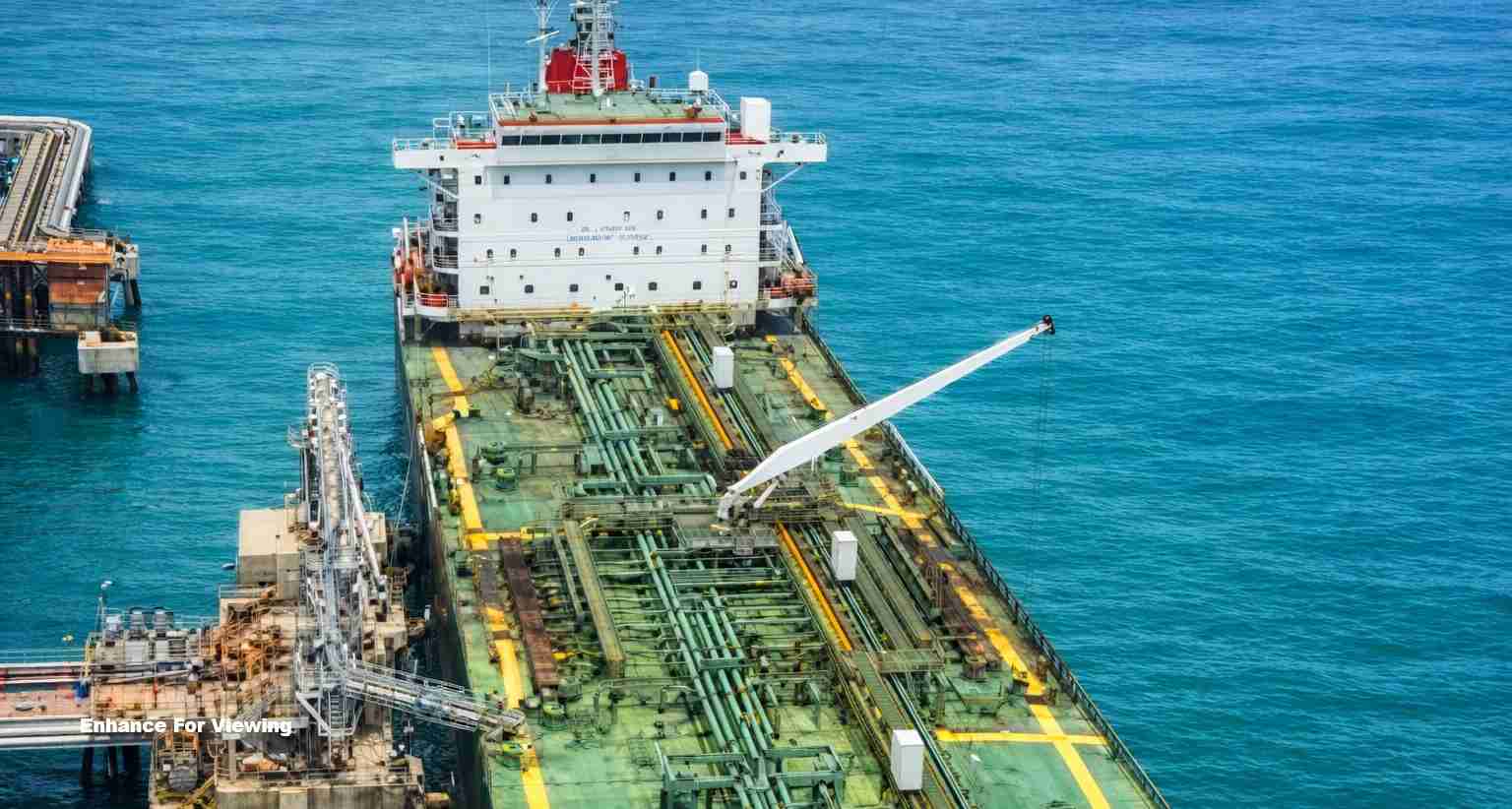
- Actions targeting oil sector: Sanctions against PDVSA, designations of specific tankers, shipping firms, and intermediaries alleged to be evading sanctions — measures that disrupted portions of Venezuela’s export network but did not equal a universal blockade.
How the claim differs from reality
False: There is no official State Department listing placing the Maduro government on the FTO list. Official FTO designations are published publicly on the State Department site (U.S. Department of State: Foreign Terrorist Organizations).
Misleading: While sanctions on PDVSA and targeted vessel designations constrained formal oil flows and incentivized covert transfers, the U.S. did not impose a presidentially declared total blockade preventing all tankers from entering or leaving Venezuelan ports.
Accurate context: Sanctions enacted through executive authority and Treasury/OFAC listings were intended to reduce revenue to Maduro’s government and increase political pressure; these are enforcement and financial measures, not the same as a blanket naval blockade. See the U.S. Treasury summary at U.S. Treasury — Venezuela-related sanctions.
Official sources and reporting
For verification and updates, consult the primary sources:
- U.S. Department of State — Foreign Terrorist Organizations
- U.S. Department of State — U.S. relations with Venezuela
- U.S. Department of the Treasury — Venezuela-related sanctions
- Reuters — IRGC FTO designation (example)
Why the false claim spreads
Misinformation often blends accurate elements (e.g., real sanctions on PDVSA) with incorrect legal claims about presidential authority and FTO procedures. Short, dramatic assertions travel quickly on social platforms and partisan channels, where legal nuance about targeted vs. blanket actions is easily lost.
Implications for San Luis Obispo, California
Economic and consumer effects
Residents of San Luis Obispo County may experience indirect effects from global oil disruptions. Though a total blockade did not occur, sanctions that tightened Venezuela’s oil exports can contribute to upward pressure on global prices, which may translate into higher local pump prices, affecting commuters, small businesses, and agriculture.
Local fuel supply chains
The county relies on regional distribution networks rather than direct foreign cargoes to local ports. Targeted sanctions that influence wholesale prices can still affect local retailers and consumers even when local terminals remain operational.
Political and civic effects
Confusion about foreign-policy claims can shape local debate. Misinformation may prompt questions from voters, students, and civic groups about the scope of presidential power and the nature of sanctions, leading local newsrooms and officials to provide clearer, sourced explanations.
Social and environmental considerations
Tourism and hospitality in San Luis Obispo are sensitive to fuel costs. Although fears of a naval blockade are unfounded, environmental planners and coastal responders should still monitor shifts in tanker routes and shipping patterns, as these can have safety and ecological implications.
Practical guidance for residents
- Watch reputable sources: Rely on official pages for sanctions and FTO designations: State Department — Foreign Terrorist Organizations and Treasury — Venezuela-related sanctions.
- Monitor local fuel prices: State and county resources publish price data that can help households and businesses plan for short-term shifts.
- Question viral claims: Verify dramatic posts against official releases and reputable national reporting before sharing.
Sources and further reading
- U.S. Department of State — Foreign Terrorist Organizations
- U.S. Department of State — U.S. relations with Venezuela
- U.S. Department of the Treasury — Venezuela-related sanctions
- Reuters — Coverage of the IRGC FTO designation
Bottom line: The claim that Trump put the Maduro government on the FTO list and ordered a total oil-tanker blockade is inaccurate. Sanctions were real and consequential, but placing an entire sovereign government on the FTO list is inconsistent with how U.S. law and practice operate.