FBI says Thomas Crooks acted alone in Butler, Pa., rally shooting after unprecedented global probe
The FBI says Thomas Matthew Crooks acted alone in the July 13, 2024, Butler, Pennsylvania shooting at a Donald Trump rally, finding no foreign or organized involvement after a global probe that examined thousands of leads and digital records.
- Massive global probe: Approximately 485 FBI personnel worked the case with interviews of thousands of domestic and foreign contacts — the bureau found no evidence of foreign direction or co-conspirators (Fox News).
- Single-shooter conclusion: Ballistics and scene analysis matched all rounds to the rooftop rifle; investigators found no proof of a secondary shooter (ABC News, Wikipedia).
- Public questions persist: Congressional task forces and commentators raised transparency concerns, though the task force did not dispute the FBI’s lone-actor finding (Rep. Pat Fallon task force report).
FBI investigation: scale, scope and findings
The bureau described the probe as among the largest in recent memory. Roughly 485 FBI employees were assigned to segments of the inquiry; agents conducted interviews with “thousands of foreign and domestic individuals,” collected digital records, examined devices and performed forensic analyses (Fox News).
Investigators reported no evidence that any foreign government or actor directed, helped, or influenced Crooks. Ballistics, witness statements and scene work accounted for all rounds fired, and officials found no credible sign of co-conspirators.
Crooks’ background and profile
Officials and reporters described Thomas Matthew Crooks as highly intelligent yet socially isolated. Family and school contacts noted high standardized-test scores and deep interest in U.S. history; school staff recalled repetitive behaviors and limited social connection (ABC News).
“A portrait emerged of a private, structured life with few outward signs of organized radicalization,” reporters wrote after weeks of investigation (CBS News).
Preparation, motive and online searches
Investigators found that Crooks legally acquired the AR-15–style rifle used in the attack after a transfer from his father. In the days leading up to July 13 he performed numerous online searches about the rally site, weather, historical assassinations and shooting distances — including queries about Lee Harvey Oswald (Fox News; Wikipedia).
Despite the digital footprint, the FBI said it could not identify a single, definitive motive; Crooks’ browsing included searches on figures across the political spectrum, suggesting the selection of Trump may have been tied to public prominence.
Attack, response and forensic details
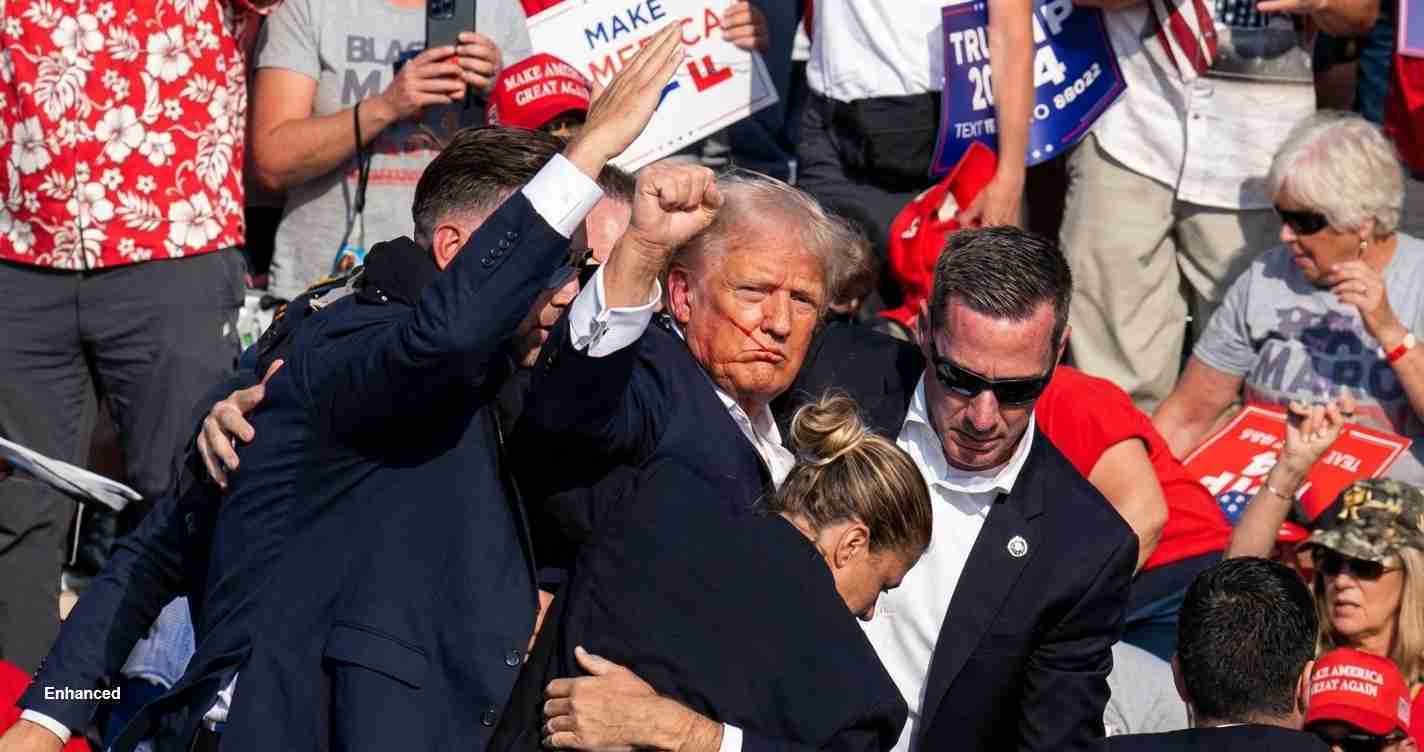
On July 13, Crooks climbed to a rooftop near the Butler rally and fired eight rounds with an AR-15–style rifle during Trump’s speech. A bullet grazed Trump’s right ear; three audience members were struck and one later died. Secret Service counter-snipers engaged and killed Crooks within seconds, a response credited with preventing further casualties (ABC News; Wikipedia).
Investigators found an undetonated explosive device in Crooks’ vehicle; the device’s receiver was set to “off” and would have required a transmitter to function, which was not present (Fox News).
Online accounts and foreign contacts
The FBI accessed three foreign email accounts linked to Crooks during the investigation. While some messages referenced weapons and ammunition purchases, agents found no indication a foreign actor influenced or directed the attack (ABC News).
Officials emphasized the ruling out of a secondary shooter: ballistic evidence and witness accounts aligned with a single rifle fired from the rooftop (Fox News).
Public, media and congressional reaction
The FBI’s lone-actor finding has not ended public debate. Some members of Congress and commentators accused the bureau of withholding materials from a task force; Rep. Pat Fallon and others expressed frustration over access to evidence, though the task force’s final report did not dispute the lone-actor conclusion (KOMO News; CBS Austin; KFOX-TV; Rep. Pat Fallon task force report).
Media segments and commentators have amplified transparency concerns; however, no public evidence has overturned the FBI’s core conclusion that Crooks acted alone (media clip referenced).
Crooks’ public portrait and investigative reporting
Local and national reporting painted a picture of a private individual who kept a routine life while planning the attack in detail. Investigative pieces described a “double life” of quiet behavior juxtaposed with meticulous preparations; reporters found no clear ties to extremist organizations prior to the shooting (CBS News; Fox News).
Additional facts and outstanding questions
Investigators noted Crooks accessed the rooftop roughly 90 minutes before the rally; the area had earlier been used as a police staging site. He left extra magazines and ammunition in his vehicle, indicating preparation for a longer attack that was halted by the rapid response (Wikipedia; Fox News).
Key questions remain for lawmakers and the public about prevention, information-sharing and whether warning signs were missed or withheld. The congressional critiques underscore demands for clearer interagency communication when threats emerge (KOMO News; Rep. Pat Fallon task force report).
Implications for San Luis Obispo, California
Local leaders, event organizers, campuses and residents in San Luis Obispo County are likely to reassess security and prevention measures in light of the Butler shooting and the FBI’s findings.
Security at public events
- Review roof and perimeter checks; implement scheduled sweeps and credentialed access to service areas.
- Consider expanded counter-sniper staging, coordinated radio checks and enhanced surveillance at large outdoor gatherings.
Political and civic life
- Public forums and rallies may require stricter logistics and higher security budgets, changing the tone and accessibility of local political events.
Campus safety and mental health
- Colleges like Cal Poly may expand low-barrier mental-health outreach and create clearer reporting pathways for concerning behavior.
Economic and tourism effects
- Heightened security may increase event costs and temporarily alter downtown and festival activity, with potential short-term tourism impacts.
Community trust and information flow
- Expect calls for transparency and better information-sharing between federal, state and local agencies when threats are identified.
Practical steps for residents and organizers
- Implement clearer sightlines on rooftops, scheduled pre-event sweeps, credential checks for service areas and stronger coordination with sheriff and campus police.
- Residents can help by reporting unusual behavior and supporting local mental-health and violence-prevention programs.