House narrowly votes to block D.C. tax move, setting up clash over local control and city revenues
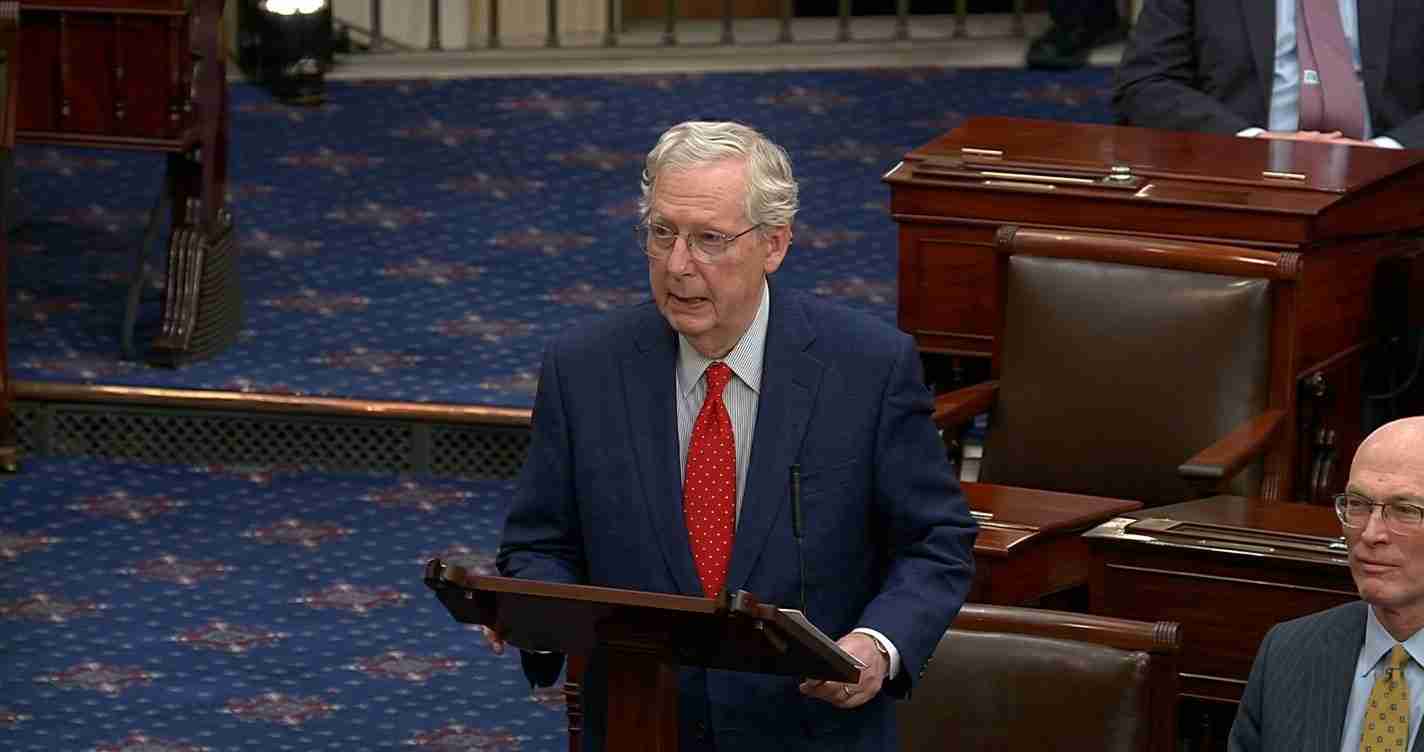
The U.S. House Feb. 4, 2026, passed a resolution to nullify a Washington, D.C. emergency tax law that decoupled local taxes from federal changes in the “One Big Beautiful Bill Act,” setting up a clash over revenue and local control.
- House vote: Passed 215–210 along party lines to disapprove D.C.’s emergency tax measure (House debate video).
- D.C. action: December 2025 emergency law decoupled local rules and created local child tax credit and expanded EITC to blunt revenue losses (D.C. briefing).
- City impact: Local officials estimate roughly $600 million in annual revenue loss if federal changes were fully mirrored locally (D.C. briefing).
- Broader context: The One Big Beautiful Bill Act would extend and modify 2017 TCJA-era rules and reshape business and individual taxes (RSM analysis; Bipartisan Policy explainer; IRS provisions).
Background: What the One Big Beautiful Bill Act would do
The One Big Beautiful Bill Act is a sweeping tax-and-spending package advanced by House Republicans that aims to make many 2017 tax changes permanent, raise the estate tax exemption, and alter business deduction and energy incentive rules. Analysts say the package would shift tax rules for individuals and companies and could change how states and localities apply their own tax codes (RSM analysis; Bipartisan Policy explainer; IRS provisions).
Political mechanism: House Republicans used budget reconciliation rules to advance the bill through the lower chamber, aiming to limit Senate input and push enactment targets later in the year while framing changes as tax relief for families and small businesses (analysis).
D.C.’s emergency local law and why it mattered
Facing prospective local revenue losses, the D.C. Council in December 2025 enacted emergency measures to decouple parts of the District’s tax code from provisions of the One Big Beautiful Bill Act. That emergency legislation created local equivalents of a child tax credit and an expanded earned income tax credit (EITC) intended to offset revenue losses and protect city services and low-income families (video coverage; D.C. briefing).
D.C. leaders, including non-voting Del. Eleanor Holmes Norton, warned that adopting the federal changes locally would cost the city roughly $600 million annually and could force cuts to education, public safety and other essential services (D.C. briefing).
What the House resolution did and the arguments on both sides
On Feb. 4, 2026, the House considered and passed a disapproval resolution aimed at nullifying D.C.’s emergency tax measures and blocking the city from applying local credits that conflict with the new federal law. The resolution passed 215–210, largely along party lines (House debate video).
“We want tax relief placed directly in residents’ pockets rather than left to government programs,” said Rep. Brandon Gill (R-Texas), who led the effort and said he did not expect Democratic support (remarks).
Republicans’ case: They argued the resolution was necessary to prevent local officials from undermining national tax policy and to deliver tax cuts broadly to families and businesses.
Democrats and D.C. leaders’ case: They countered that Congress was using its unique power over the District to override a local decision designed to protect city finances and low-income families from sweeping federal changes (D.C. briefing).
Republican descriptions of the federal changes included elimination of taxes on tipped and overtime wages and business-targeted cuts — policies D.C. officials said would hollow out revenue if mirrored locally (House video; D.C. briefing).
Gaps and next steps: Senate, courts and practical effects
The House vote alone does not change D.C. law or determine the ultimate fate of the One Big Beautiful Bill Act. As of Feb. 4, 2026, public records did not show whether the Senate would take up the disapproval resolution or how quickly any measure would be enforced. Because the District lacks full voting representation, Congress retains authority to override local laws, heightening legal and political stakes for local governance (coverage).
Observers expect more floor fights, possible Senate action, and potential legal challenges. Parties will use the episode to shape messages to voters about who is delivering tax relief and who is protecting local services.
Sources and reporting notes
Reporting draws on congressional debate and statements from D.C. officials as captured in video briefings and coverage (House debate video; D.C. briefing). For background on the One Big Beautiful Bill Act and its provisions, see analysis from tax and policy organizations (RSM analysis; Bipartisan Policy explainer; IRS provisions).
Implications for San Luis Obispo, California
Economic impact: San Luis Obispo County is not directly tied to D.C. tax law, but the House action could ripple to the Central Coast. Tourism, restaurants, wineries and small businesses rely on tipped wages and overtime; changes to federal rules could alter take-home pay, reporting, hiring and payroll decisions. Local nonprofits and health services that depend on public funding may also feel pressure if federal tax shifts change broader revenue flows (see federal bill context).
Political consequences: California voters often favor local control and progressive tax policy. The House override of a District law may sharpen debates in SLO about who should set policy and could prompt local officials to seek state protections or contingency plans to shield county budgets.
Social effects: D.C.’s local child tax credit and expanded EITC aimed to reduce child poverty. Similar debates could influence San Luis Obispo leaders to pursue local or county programs if federal changes reduce support for low-income households.
Cultural relevance and public sentiment: Residents in San Luis Obispo value local decision-making; the fact Congress can cancel District laws may energize town halls, op-eds and civic debate about federal intervention and local autonomy.
Practical applications for residents:
- Tax filing: Most taxpayers in SLO will see no immediate change, but small-business owners, pass-through entities and tipped workers should monitor final federal rules and IRS guidance (IRS provisions).
- Local safety nets: Nonprofits and county agencies should review budgets and contingency plans in case state or federal funding shifts.
- Civic engagement: Residents can contact members of Congress and local leaders to weigh in on federal tax policy and local autonomy.
Reporting limitations
At the time of the Feb. 4, 2026 House vote, records did not indicate Senate action on the disapproval resolution or the final legal path for D.C.’s emergency measures. Sources include D.C. official statements and congressional debate coverage (House debate video; D.C. briefing) and analyses of the House tax bill (RSM analysis; Bipartisan Policy explainer; IRS provisions).