Giant yellow cedar felled south of Gold River despite protection rules, prompting probe into logging reports and enforcement
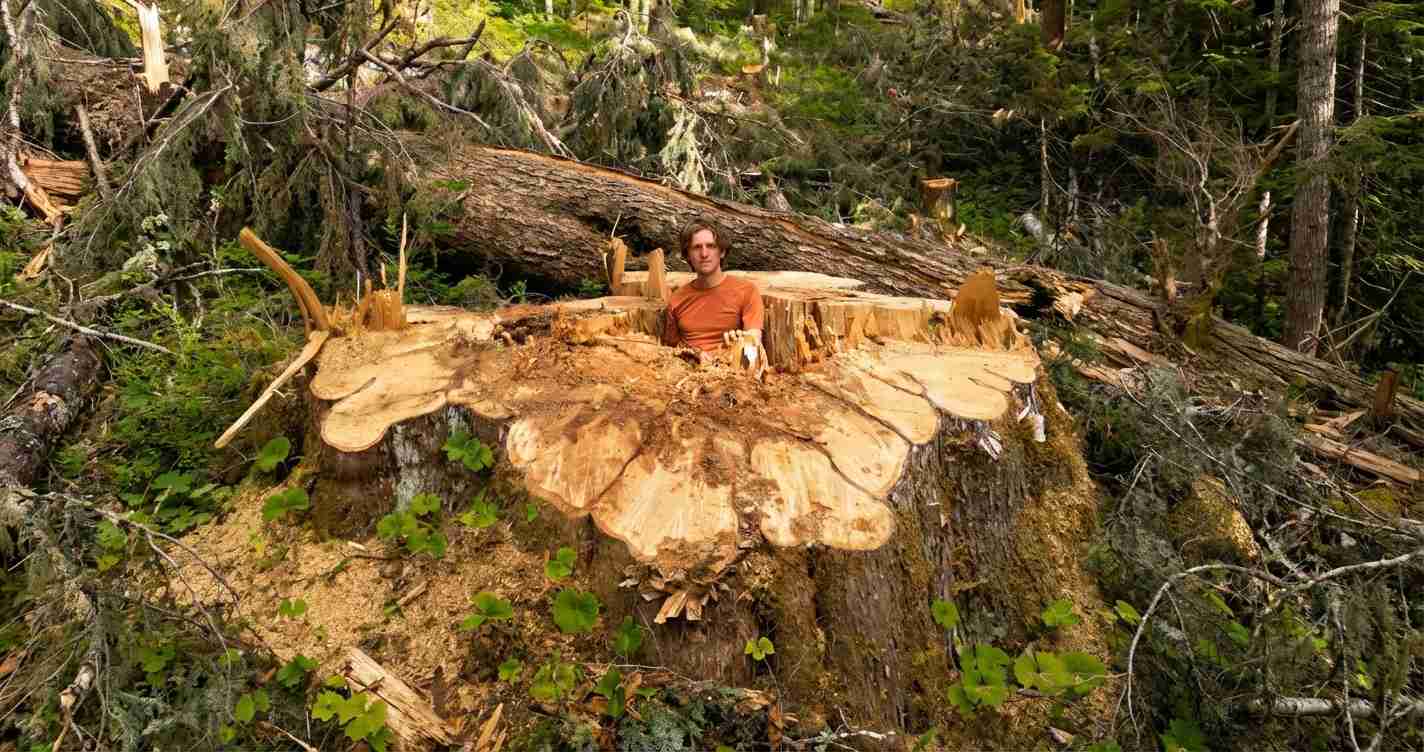
A 2.79‑metre yellow cedar south of Gold River was felled during a provincial logging operation despite a 2.65‑m protection threshold, triggering a BC Forests Ministry investigation and renewed questions about reporting, exemptions and enforcement under provincial rules.
- Protected threshold exceeded: Measured at 2.79 m DBH, above the 2.65 m listed threshold for yellow cedar under the Special Tree Protection Regulation.
- Investigation launched: Complainant Joshua Wright filed photos, measurements and a report; the Global News-reported complaint prompted a BC Forests Ministry probe.
- Reporting gap: The regulation relies on industry to report specified trees within 30 days; there is no public record that the tree was reported before it was felled.
What happened
Visitor and observer Joshua Wright discovered and photographed a massive yellow cedar in a stand south of Gold River, spray‑marked it, and on a return visit in June found it had been felled. Wright measured the trunk at 2.79 m DBH — clearly larger than the Special Tree Protection Regulation’s yellow cedar threshold of 2.65 m in the applicable area — and filed a complaint. The BC Forests Ministry has confirmed it is investigating the felling (Global News; North Shore News).
The law and where it fell short
The Special Tree Protection Regulation (2020), enacted under the Forest and Range Practices Act, lists “specified trees” by species and size and prohibits cutting or damaging those trees and their supporting trees during primary forest activities on Crown land. For yellow cedar the schedule sets 2.65 m DBH as the protection threshold in the relevant area; specified trees should trigger a 56‑metre buffer around the trunk where supporting trees cannot be felled or topped without a ministerial exemption. See the official regulation at BC laws.
Reporting requirements and exemptions
The regulation requires the person responsible for a forest activity to report discovered specified trees to the ministry within 30 days, using a form that includes coordinates, species and authorization numbers. The minister may issue written exemptions for safety, property protection, recognized cultural needs, or operational necessity; limited removal of supporting trees is permitted for road maintenance. Those exemption and reporting rules are described in the regulation (BC laws).
Reporting and enforcement gaps
A central vulnerability is the regulation’s reliance on industry self‑reporting. The onus is on logging operators or other responsible persons to identify and declare specified trees. Critics note this can allow protected trees to be missed or cut before ministry notification. In this case there is no public evidence the logging operator reported the yellow cedar before it was felled, raising questions about whether an exemption was granted or oversight failed (Global News).
Government and industry reactions
After Wright’s complaint the BC Forests Ministry acknowledged an investigation. The ministry retains enforcement powers and penalties under the Forest and Range Practices Act, but has not released whether a report or exemption existed for the site south of Gold River, or whether enforcement action will follow (Global News).
Industry representatives point to operational complexity in remote sites and to formal exemption rules; critics argue the industry’s role as primary reporter creates a structural conflict between commercial incentives and protection rules.
Broader context and criticism
Supporters of the regulation say it creates a legal framework to protect the largest trees on Crown land — roughly 1,500 trees province‑wide. Environmental groups and some scientists counter that the thresholds are too high, buffers too small, and exemption powers too broad to protect groves and ecosystem function. Earlier 2019 protections covered very few trees with limited buffers, drawing criticism from conservation groups (Endangered Ecosystems Alliance; BC Tree Hunter).
Why this matters
Giant yellow cedars are ecologically and culturally significant. They store large amounts of carbon, provide wildlife habitat, and form structural elements of old‑growth forests. For Indigenous communities and coastal residents, large cedars hold deep cultural and historical value. The visible loss of a single large tree can symbolize broader pressures on old‑growth forests and the systems that rely on them.
“Losing a protected tree raises urgent questions about whether protections, reporting and enforcement are sufficient to preserve rare trees and groves.”
Implications for San Luis Obispo
Economic impact
News of a protected tree felled under provincial rules in BC could influence perceptions of forestry management in supplier regions and affect timber sourcing, procurement policies and market trust in San Luis Obispo. Large tree loss also complicates carbon accounting and local climate mitigation planning.
Political consequences
The case may prompt voters and officials to seek stronger sourcing standards, supplier audits, and environmental clauses in contracts. It could spur local dialogue on cross‑border forest governance and clearer labeling of timber products.
Social effects
High‑profile tree losses can mobilize community groups and volunteers to monitor forests, support stewardship projects, and advocate for stronger protections. The incident highlights the importance of citizen reporting using GPS‑enabled phones and photos.
Cultural relevance
The cultural ties many Indigenous peoples hold to large cedars on Vancouver Island resonate with California Native relationships to local trees. This may encourage San Luis Obispo communities to elevate Indigenous stewardship and cultural protections in land‑management conversations.
Practical applications for residents
- Procurement: Ask suppliers about origin and chain‑of‑custody; prefer certified or local lumber for public projects.
- Local monitoring: Support stewardship groups, document concerns with GPS and photos, and report promptly.
- Policy input: Engage with elected officials on stronger tree protections, grove buffers, and recognition of Indigenous stewardship.
Sources and further reading
- Global News: “BC cedar big tree protection law”
- North Shore News: “Why was incredible giant cedar cut down despite B.C.’s big tree protection law?”
- BC laws: Special Tree Protection Regulation (2020)
- Endangered Ecosystems Alliance
- BC Tree Hunter blog
This story will be updated as the BC Forests Ministry releases findings from its investigation into the giant yellow cedar felled south of Gold River.