Surge in Somali piracy fuels fears of a Red Sea security vacuum as analysts warn of Somali pirate–Houthi alliance targeting oil routes
Since late April 2026 a surge in Somali piracy off Yemen and Somalia has raised alarms as analysts warn of a possible Somali pirate–Houthi transactional alliance exploiting a Red Sea security vacuum, threatening vital oil routes and global shipping.
Key takeaways
- Coordinated attacks: At least three vessels were seized beginning April 21, 2026, including the Palau‑flagged tanker Honour 25 and fishing craft redirected to Somali anchorages. Sources: Fox News, ModernGhana.
- Transactional collaboration: Analysts say the Houthis may be providing surveillance, GPS and cover while Somali groups supply skiffs and boarding teams (analysis summarized by Fox News).
- Global ripple effects: Threats to Red Sea lanes could force rerouting around the Cape of Good Hope, raising fuel costs, insurance premiums and delivery times for businesses worldwide.
- Local impacts: San Luis Obispo could see higher pump prices, delayed exports and elevated freight costs if disruptions persist.
Main content
What happened: a wave of attacks and shifting center of gravity
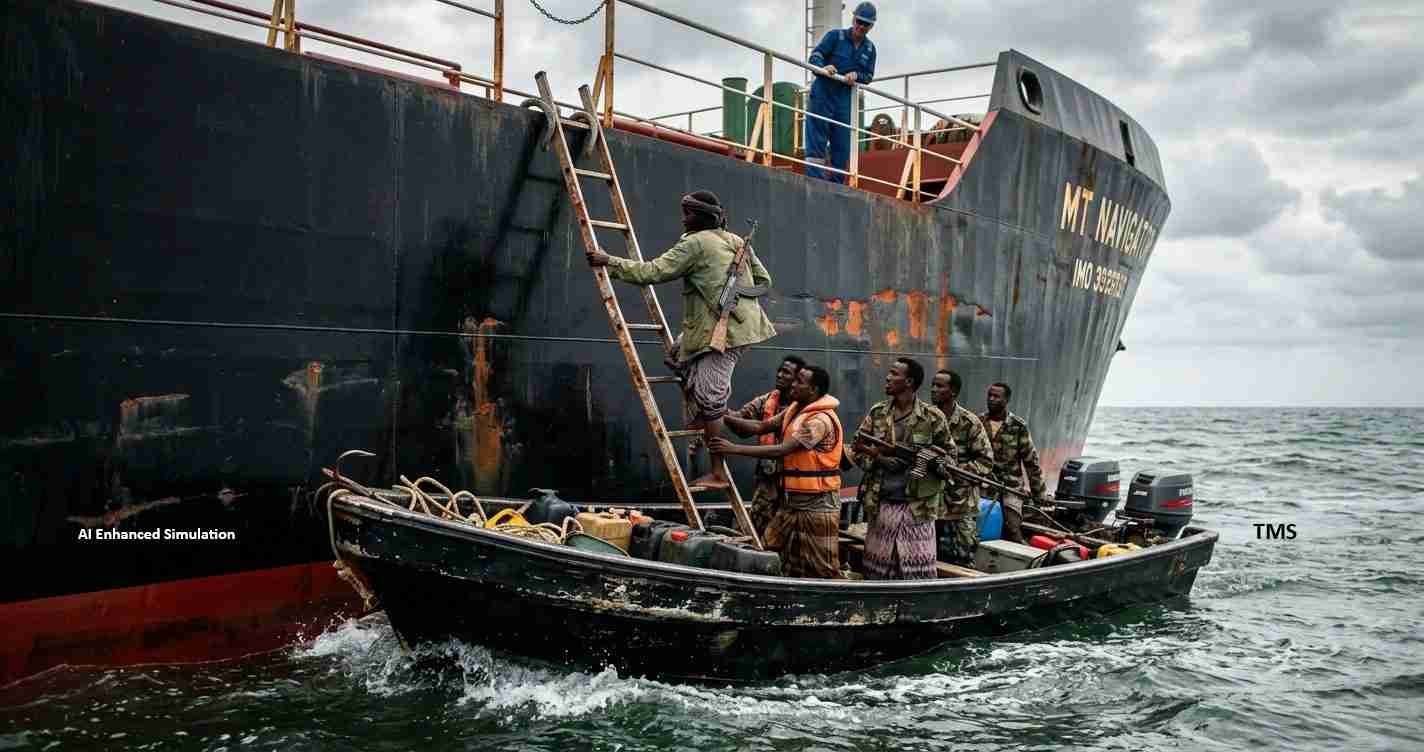
From April 21 onward, maritime reporting centers logged a cluster of hijackings and attempted boardings off Somalia and near Yemen. Vessels were seized at sea and, in several cases, redirected to Somali anchorages such as Garacad and Qandala. The speed and coordination of these attacks alarmed private security firms and regional navies, prompting elevated threat advisories.
“This is a transactional collaboration,” said Ido Shalev, former Israeli naval officer and RTCOM Defense COO. He described a pattern where Houthis supply surveillance and geopolitical cover while Somali groups provide skiffs and boarding teams.
Link to the Houthis and the wider regional war
Reporting and analyst briefings suggest the opportunistic alignment is tied to broader instability across the Red Sea and Persian Gulf. As Houthi groups have attacked shipping in the Red Sea, some naval forces redeployed to counter those threats, creating perceived gaps off Somalia and in the Gulf of Aden that pirates have exploited.
Analysts argue the pattern gives Houthi actors a method of pressuring shipping and energy flows indirectly: by supporting skiff attacks they gain deniability while advancing goals aligned with Iranian interests. Independent, public confirmation of direct Houthi command over Somali pirate gangs remains limited; assertions currently rest on field reporting and intelligence summaries (see reporting by ModernGhana and StreamlineFeed).
Why oil routes matter now: rerouting and prize value
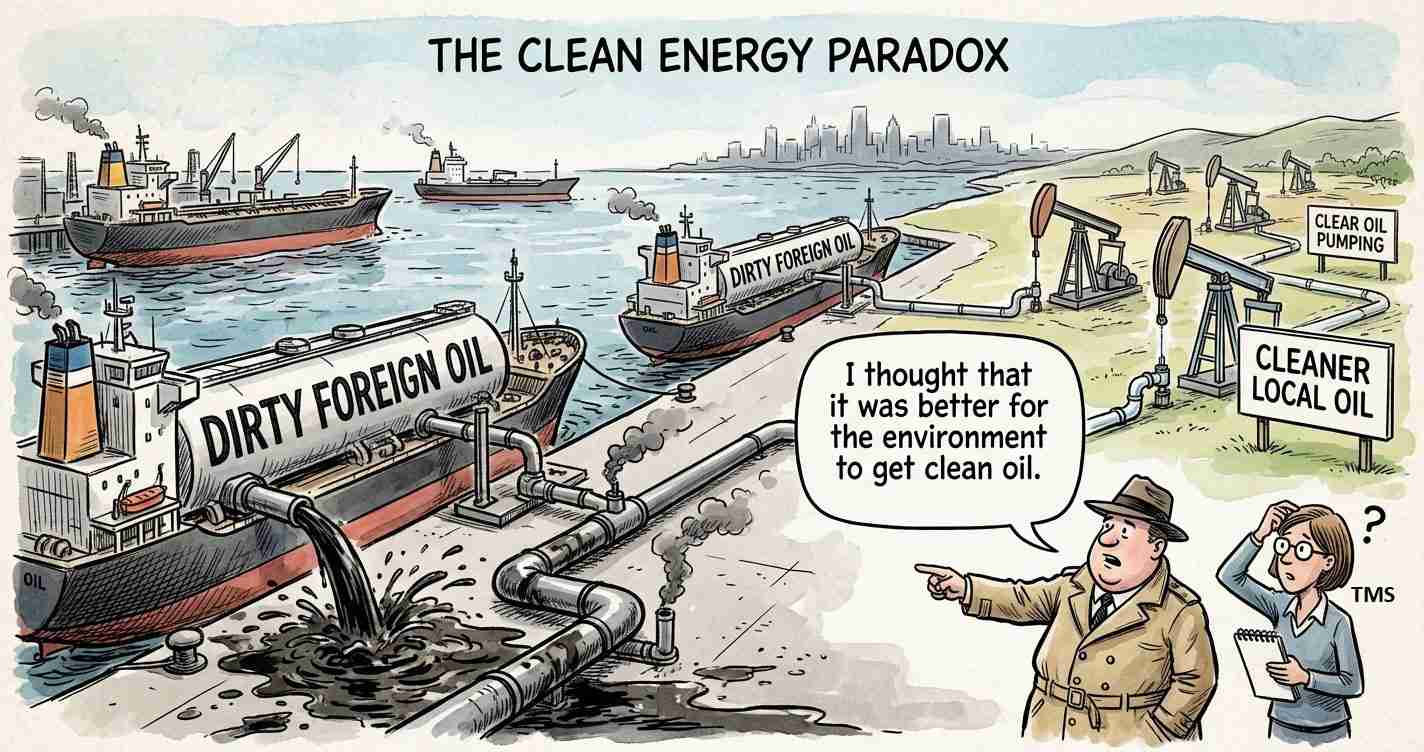
Shifts in global energy flows are increasing the prize value of Red Sea transit. Saudi rerouting of crude through the East‑West pipeline to Yanbu has raised traffic and value in the Red Sea corridor. With Brent crude near $115 a barrel this quarter, a hijacked tanker can carry cargo worth tens of millions of dollars — a major incentive for well‑executed seizures (analysis summarized by Fox News).
Disruptions to the Red Sea — which handles an estimated 12–15% of global trade — can force reroutes around Africa, adding weeks to voyages, increasing fuel bills and insurance premiums, and passing costs to consumers worldwide.
Historical context: piracy’s return
Piracy off Somalia peaked between 2008–2013 before international patrols, armed guards and improved merchant defenses reduced attacks dramatically. The late‑2023 Red Sea crisis produced the first major cargo hijacking in six years and helped restart a steady drumbeat of incidents; the recent surge appears to be a renewed and more coordinated phase (Wikipedia, Fox News, ModernGhana).
Intelligence and patrol gaps: “see, don’t just patrol”
Shalev, who helped design Nigeria’s Falcon Eye surveillance project, warned that patrol ships alone are insufficient: “You cannot ‘patrol’ your way out; you have to see the threat before it reaches the ship.” That suggests the need for persistent surveillance, real‑time tracking and improved intelligence sharing rather than adding patrol vessels by themselves (Fox News).
Risk monitoring and shipping advisories
Commercial navigational firms and maritime centers raised alerts after April’s attacks. Risk monitors such as Windward AI and the U.K. Maritime Trade Operations (UKMTO) flagged higher risk levels in Somali waters, advising ship owners and insurers to watch for patterns that could expand the operational reach of skiff‑based groups.
Reported incidents (selected)
- April 21, 2026: Somali‑flagged fishing boat seized (Fox News).
- April 21, 2026: Palau‑flagged tanker Honour 25 (IMO 1099735) hijacked (Fox News).
- April 25–26, 2026: A dhow and the merchant vessel Sward captured; Sward redirected to Garacad (Fox News, ModernGhana).
- May 2, 2026: MT Eureka reported seized off Shabwa; Yemen’s coast guard said recovery efforts were underway (reported by Reuters and summarized by Fox News).
Caveats and limits of current reporting
Open reporting paints a strong picture of growing maritime risk, but independent confirmation is limited for some claims. Analysts’ statements about an organized Somali pirate–Houthi alliance rest on field reporting, intelligence summaries and pattern analysis; not all sources confirm direct command‑and‑control links between Houthi leadership and Somali pirate gangs (ModernGhana, StreamlineFeed, Fox News).
Implications for San Luis Obispo, California
Fuel prices and transport costs: A sustained Red Sea security vacuum and repeated attacks on oil tankers could push crude prices higher and keep global freight costs elevated, raising retail gasoline and diesel prices in California.
Agricultural exports and supply chains: Local wine, produce and other exports reliant on predictable shipping could face delays or higher freight charges if carriers reroute around Africa or slow sailings to avoid risk.
Local ports and trade flow: San Luis Obispo businesses that depend on imports — equipment, parts, packaging — may face longer lead times and higher import bills.
Emergency response and maritime safety: County agencies and first responders should track U.S. Coast Guard advisories and cargo‑owner notices; offshore industries should maintain situational awareness if global shipping patterns change.
Preparedness and community steps: Officials and businesses can monitor national advisories, review contingency plans, and consider inventory buffers for critical goods while coordinating with state and federal partners on insurance and freight developments.
Sources and further reading
- Fox News: “Somali pirate‑Houthi alliance targets $1T oil trade route; revived hijack tactic”
- ModernGhana: “Hijackings off Somalia raise fears that piracy has resurged”
- Wikipedia: “Piracy off the coast of Somalia”
- StreamlineFeed: “Somali piracy resurges in Indian Ocean vacuum”
- YouTube explainer on trade routes and economic impact
Reporting compiled from Times Media Service research and regional maritime security reporting.