Hundreds of Iranian-Americans celebrate Khamenei death in NYC after US‑Israel strike; city sees both cheers and protests
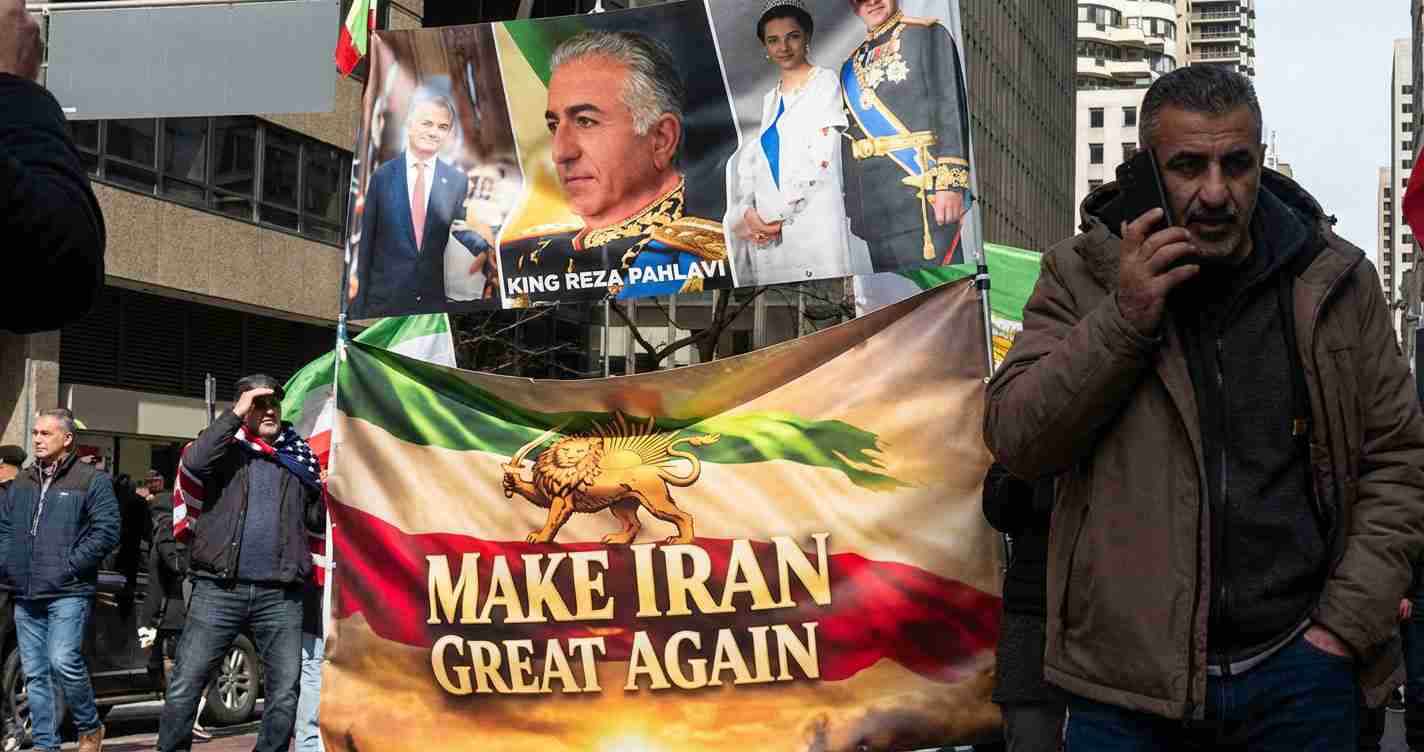
Hundreds of Iranian-Americans marched through New York City Sunday to celebrate reports that Ayatollah Ali Khamenei was killed in a Feb. 28 U.S.-Israel strike, sparking both jubilation and sizable protests that highlighted deep divisions over U.S. policy toward Iran.
- Coordinated strikes reportedly killed Ayatollah Ali Khamenei and dozens of officials, prompting international debate and local unrest.
- Hundreds marched in Manhattan carrying pre‑1979 Persian flags, U.S. and Israeli flags in a demonstration organized by the Lion and Sun group.
- City reaction split: celebrations, pro‑Israel rallies and large anti‑war protests emerged while New York leaders sharply criticized the strikes.
The military strike and reports of Khamenei’s death
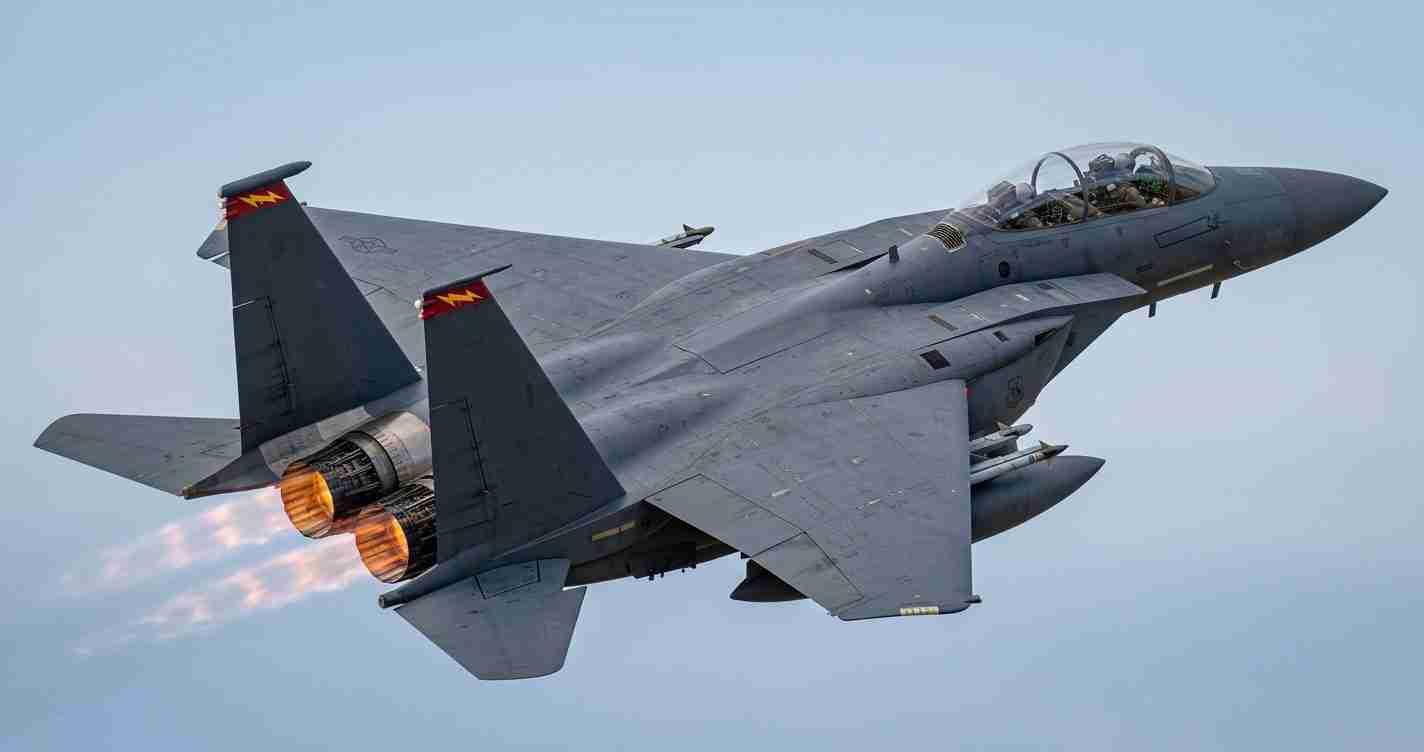
U.S. and Israeli forces launched coordinated strikes beginning Feb. 28, and local reporting said the attacks resulted in the confirmed death of Ayatollah Ali Khamenei, who led Iran for 37 years. The attacks also reportedly killed dozens of high‑ranking officials. The Iranian Red Crescent later reported more than 200 deaths inside Iran related to the fighting.
The U.S. government framed the operation as having major strategic goals, while critics called the strikes an illegal act of war and warned of broad, unpredictable consequences. Officials also acknowledged U.S. casualties: three American service members were reported killed during the operation.
The NYC celebration march
On Sunday, hundreds gathered in Manhattan in a march organizers described as both celebration and mourning. The demonstration was organized by the Lion and Sun group, a movement that supports a return of Crown Prince Reza Pahlavi from exile and the formation of a transitional government.
Marchers carried the green‑white‑red pre‑1979 Persian flag, American flags and Israeli flags and stopped to honor protesters killed inside Iran. Many participants said the strike brought a measure of relief after months of repression.
Reporting and interviews with participants are documented in coverage by CBS News, which captured both the celebratory moments and organizers’ calls for a democratic transition and protections for activists.
Voices from the march: personal stories and reactions
Survivors and exiles described why they reacted with joy: Foujan Gharib, an NYU student who left Iran in 2023, told reporters he had been hit by rubber bullets and watched classmates taken away during the earlier protests sparked by the death of Mahsa Amini. “I was crying and dancing the whole day yesterday after 50 days of torture,” he said.
Others emphasized grief and complexity. “The people of Iran have been suffering,” said Shadi Hosseini, who fled Iran after the 1979 revolution; organizers stopped during the march to honor victims of repression. At the same time, community leaders expressed sorrow for U.S. service members killed: Riag Javid, head of the Persian American Parade, called the fallen “heroes.” These interviews and on‑the‑ground reporting are available via CBS News.
“It hurts. With all my heart I feel bad for them, but they are our heroes.” — Riag Javid
Broader New York response and political context
The strikes set off a wave of activity across the city: celebratory rallies, marches in support of Israel, and large anti‑war demonstrations calling for an end to U.S. intervention. A pro‑Israel coalition marched from the United Nations to Times Square waving American and Israeli flags.
Political reaction: New York Mayor Zohran Mamdani condemned the strikes as “an illegal war of aggression,” urging leaders to avoid force for regime change and to focus on pressing domestic issues like housing and affordability. Local officials and residents issued varied warnings about civilian harm and wider escalation; detailed coverage is available from amNY.
Conditions inside Iran: celebration, fear and uncertainty
Inside Iran reaction was mixed and tense. Video posted to social platforms showed celebrations in parts of the country, including Karaj, but those public moments followed months in which hundreds of thousands had protested and then faced a harsh crackdown and arrests.
Experts warn that without Khamenei the government still retains strong security forces and tools to repress dissent; many Iranians lack the means to topple the system and fear renewed repression if they take to the streets. Reporting and analysis on internal conditions are summarized by News & Sentinel, with video documentation also available online.
Video of celebrations in Karaj circulated on social media and was cited in several reports reflecting both joy and fear on the ground.
Investigative note: gaps and questions
Key facts remain contested. Independent verification of casualty counts and the identities of all high‑ranking officials reportedly killed will take time. Sources inside Iran and social media show differing pictures, and official tallies can change. New York reporting highlights deep diaspora divisions: some call the strikes justified, others call them illegal and dangerous.
Readers should note the evolving nature of the story and expect updates as independent verification and additional reporting emerge. For immediate on‑the‑ground reporting see CBS News and amNY.
Implications for San Luis Obispo, California
Economic impact
- Fuel and prices: A major strike in the Middle East can push up global oil prices, raising gas costs in San Luis Obispo County and increasing expenses for local businesses.
- Tourism and wine: Uncertainty can reduce travel demand; prolonged conflict could dampen bookings and spending for the region’s tourism and wine industries.
Political consequences
- Local discourse: Expect debates in town halls, online forums, and among elected officials about foreign policy and humanitarian priorities.
- Campus activity: Cal Poly and other campuses may host forums, vigils or teach‑ins; administrators should be prepared to support students.
Social effects
- Iranian‑American community: Families and students may feel heightened emotion — relief, grief, anger or fear — prompting community meetings and counseling.
- Public safety: Local law enforcement may coordinate with organizers to protect free speech and public safety around potential rallies or counter‑rallies.
Practical applications for residents
- Travel: Check federal travel advisories and airline notices; maintain communication plans with relatives abroad.
- Community support: Schools, faith groups and nonprofits should prepare mental‑health resources and safe spaces for dialogue.
- Civic engagement: Residents can use town halls and letters to officials to advocate for clear policy explanations, humanitarian aid, or support for refugees and protest victims.
Sources and further reading
- CBS News: U.S.-Israel attack, New York City celebrations and interviews
- amNY: Coverage of citywide response and comments from Mayor Zohran Mamdani
- News & Sentinel: Reporting on conditions in Iran and expert analysis
- Video of celebrations in Karaj
Preserved original reporting and source links are provided above for verification and further reading. The situation is rapidly evolving; readers should consult primary sources and official updates for the latest information.